


Having savings in the bank is indeed important. If at any time you need money to deal with an emergency, you can immediately use it. But before you open an account at a bank, find out these 4 things first.
Need to Know These 4 Things Before Opening an Account at a Bank
1. Admin fees
Even though it seems trivial, admin fees can be quite a drain on savings. In addition to monthly admin fees, there are other admin fees that need to be taken into account, such as transfer fees to other banks, top up fees and withdrawal fees at shared ATMs. If you do all of these things regularly, you need to pay all the admin fees. Then, there are other fees that need to be taken into account, such as the fee of creating a debit card.
2. Minimum balance when opening an account
Some banks require a minimum balance when opening an account for the first time. However, there are also banks that do not require it. If you don't actually need to deposit some balance first when you open an account, why not take it?
3. Automatic transfer
There are many benefits that you can enjoy with the automatic transfer feature. You can save consistently every month and pay various bills on time. If you pay your bills on time, you don't have to pay fines due to late payments.
4. Interest rate
Finally, you need to find out first what interest rate the bank offers. It's better to save money in a bank that offers high interest rates than low, right? More money will make you happy.
Why Open a Bank Jago Account: Discover the Key Advantages and Benefits
Why choose Bank Jago and make it your primary solution for saving and budgeting? The answer lies in the innovative features designed to tackle everyday financial problems, as well as the fee structure that allows you to save significantly.
What are the benefits of using Bank Jago?
-
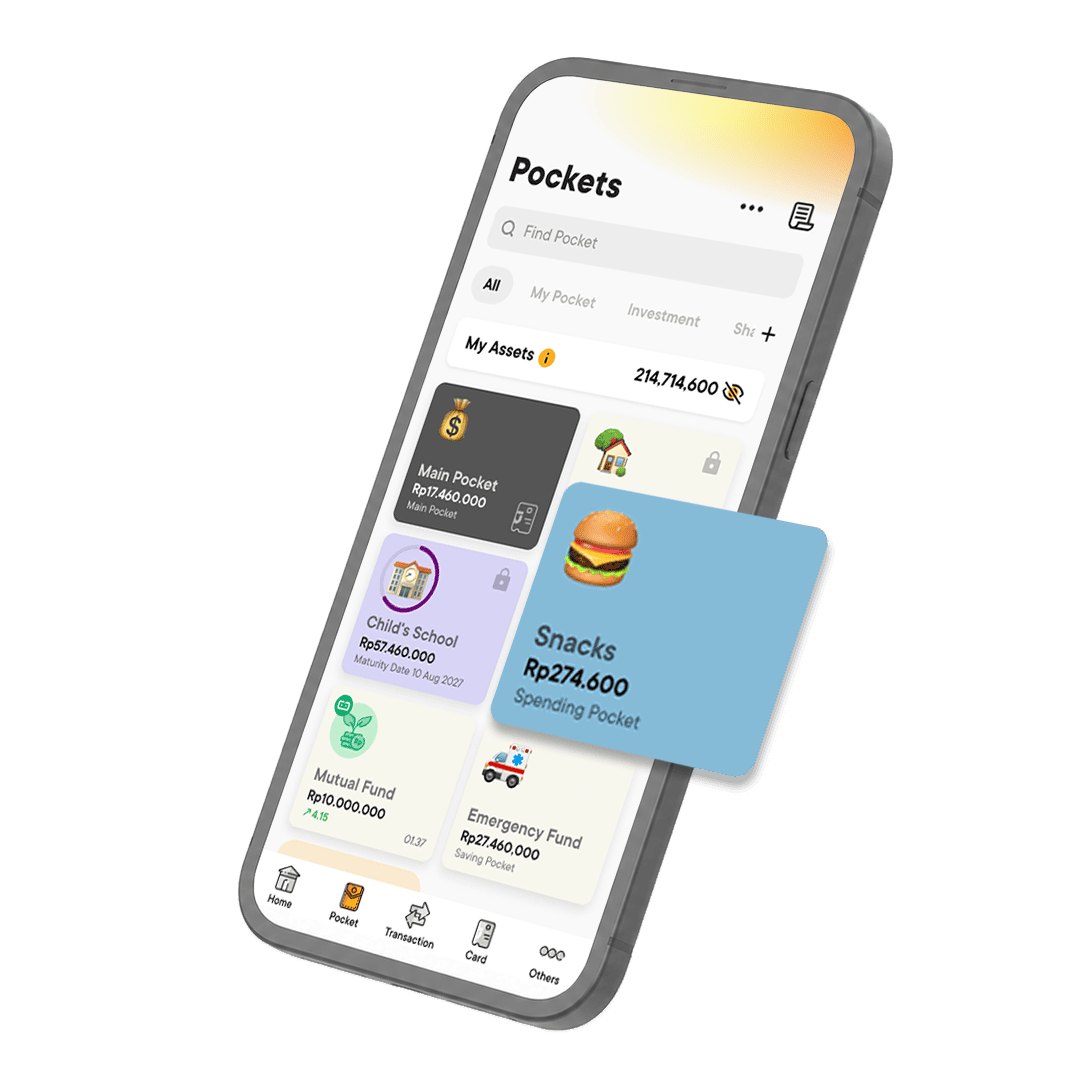
Limitless budgeting solution with the Jago Pockets: You can create dozens of Pockets that function as separate accounts, each with a specific financial goal (e.g., Emergency Fund Pocket, Vacation Pocket, Bills Pocket). This is an effective way to manage money exactly how you want, separating needs and preventing the use of funds that should be allocated for other goals.
-
Shared financial transparency via the Shared Pockets: Jago facilitates managing joint finances transparently with others. With the Shared Pocket, you and other Jago users invited to the Shared Pocket can save and track every incoming/outgoing transaction in real-time, providing ease in financial management and fostering transparency with each other.
-
Automation for discipline: Tired of forgetting to save? Activate Jago's Auto-Budgeting feature. You can set automatic fund transfers to your destination Pockets at a time you determine yourself, ensuring saving and investing are always consistent.
Information Regarding Fees and Bank Jago Admin Charges
One popular question is about monthly fees.
Does Bank Jago have monthly deductions?
The answer is: NO.
-
Free monthly admin fees: Bank Jago does not charge monthly deduction fees or administrative fees per Pocket. You are free to create many Pockets for budgeting without worrying about fees depleting your funds.
-
Controlled transaction fees: Jago offers a quota of free interbank transfers, a quota of free e-Wallet top-ups, and a quota of free ATM cash withdrawals per month (depending on your Account Level). This makes the benefits of Bank Jago even more apparent as your daily transaction costs are minimal.
Quick Q&A About Opening or Registering for a Jago Account
1. What are the main requirements for opening a Bank Jago account?
The main requirements are that you must be an Indonesian Citizen (WNI), be at least 17 years old, and possess a valid Identity Card (KTP). Registration can be done completely online via the Jago application.
2. Can I open an account without having to visit a branch office?
Certainly. As a digital bank, the process to open a Bank Jago account can be completed 100% online via the application, without needing to visit a branch office.
3. How do the Jago Pockets help me avoid being wasteful?
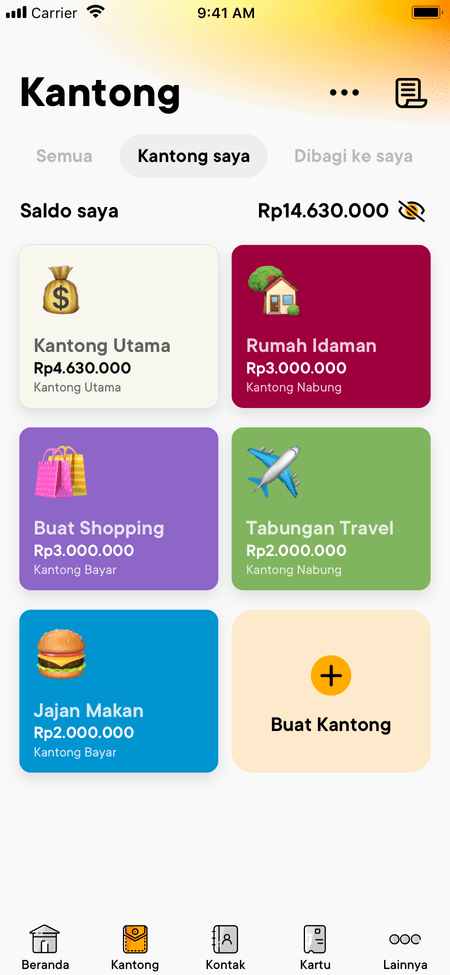
The Jago Pockets help you separate your money. When you allocate funds to a "Savings Pocket" or a "Bills Pocket," those funds are separate from your "Daily Needs Pocket." Psychologically, this limits the temptation to use your savings, allowing you to be more disciplined in managing your expenses.