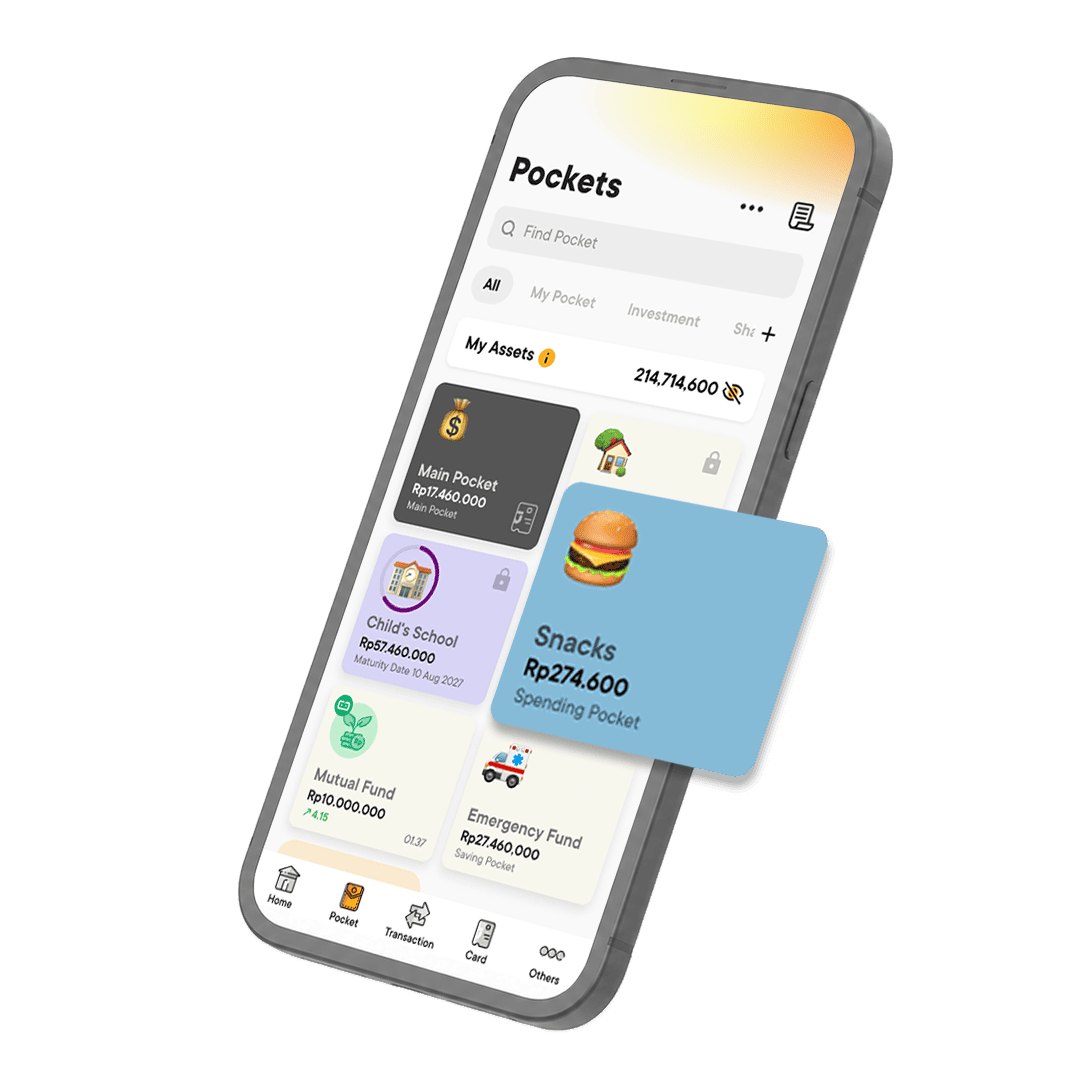




If you’ve just graduated from university, receiving your first salary feels incredibly special. There is an overwhelming sense of pride and gratitude when you see your hard work finally being valued as a number in your bank account. A new sense of independence begins to grow.
However, behind the joy of holding your own income, there is an emotional process and a new wave of adjustment that people rarely talk about. Once you step into the real working world, the actual challenges of adulthood begin.
This article dives into the things surrounding your first salary that people rarely talk about, plus how to smartly manage your money as you kickstart your career.
3 Things People Never Talk About Regarding Your First Salary
1. Workplace expectations vs. early career Wallet Reality
Back in university, your vision of the working world might have felt very ideal: working flexibly in a cozy place, routinely enjoying afternoon coffee, and being able to buy whatever you want with your own money.
But once you actually live it, the reality requires a pretty big adjustment. Especially if you choose to move out on your own to a big city like Jakarta. An early career salary often feels just enough to get by if you aren't used to managing it yet. Once it’s cut for rent, transportation, and daily meals, the number in your account can drop quite quickly. Feeling anxious about whether you can survive is completely natural and totally normal for you to feel.
2. The self-reward challenge and workplace influence
Having your own income gives you a new sense of freedom, but this is exactly where your self-control is put to the test. It is completely natural to want to appreciate yourself (self-reward) after working hard for a full month:
- Buying things that have been sitting in your online shopping cart for a long time.
- Tagging along with your coworkers' daily habit of buying coffee just to blend in and be close with them.
- Giving in to the urge to watch concerts just so you don't feel like you're missing out on fun moments with friends.
Sometimes, the desire to fit in with the lifestyle of those around us makes our spending spiral out of control. In reality, the essence of your first salary is a learning moment to understand your own capacity and measure your personal financial limits.
3. Becoming a sandwich generation from the start of your career
This is one of those emotional topics that people often keep to themselves: The burden of being a sandwich generation.
Many fresh graduates, upon receiving their first salary, cannot use that money purely for themselves. There is a moral responsibility or a genuine desire to help out with their parents' finances and pay for their younger siblings' school fees.
On one hand, there is a deep sense of happiness from being able to share with family. But on the other hand, it cannot be denied that there is exhaustion and anxiety because you have to think about your personal future while also minding the household needs at such a young age.
A Valuable Reflection for You: Managing finances is not just about numbers or mathematical calculations. It is an emotional process. When you are faced with an emergency—like your laptop suddenly breaking down right when you need it, or a family member unexpectedly falling sick—that is where you are invited to become more financially literate. Money, ultimately, is a tool to provide security for yourself and your family, not just a momentary desire pleaser.
Shifting Perspectives: Money as a Tool for Security and Freedom
After getting through this initial phase full of confusion, the way you look at money will gradually evolve. Money will no longer be seen as a tool to follow other people's trends, but rather as a means to build security, health, and freedom for your future.
Enjoying the fruits of your hard work is, of course, allowed and important, but it is much better if you start learning to manage your money in accordance with the life values you live by. Keep in mind, everyone’s financial process is different. This is your personal journey, not a competition to be compared with others.
Concrete Steps to Manage Your First Salary Using the Jago/Jago Syariah Pockets
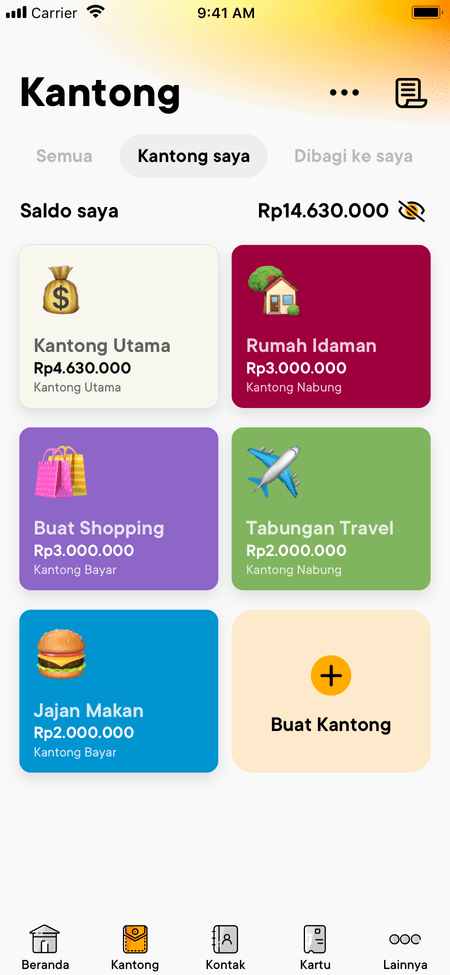
Many people focus heavily on looking for extra income or side hustles, but forget to learn how to manage it masterfully. The simplest yet most crucial first step is: separate the account used for receiving your salary from the account used for daily expenses, savings, and various other needs.
To help you start consistently, the Jago application has a feature called Pockets that makes it easy to place your money according to its purpose. With the Jago/Jago Syariah Pockets, you can separate your salary into several different Pockets.
You can plan your future by dividing your income into the Jago/Jago Syariah Pockets like this:
|
Pocket Name |
Your Money Allocation |
Benefits for You |
|
Routine Expenses Pocket |
Rent, daily meals, transport, and monthly bills. |
Ensures all your basic needs are safely met until the next month. |
|
Emergency Fund Pocket |
Special savings that shouldn't be touched except in urgent conditions. |
Helps you stay independent, so you don't need to rely on parents or loans during a crisis. |
|
Future / Business Pocket |
Capital to pioneer your dream business or long-term savings. |
Guards your dreams and your financial independence in the future. |
|
Self-Reward Pocket |
Funds for coffee runs, hobbies, or entertainment. |
You can still enjoy the fruits of your hard work in a measured way without feeling guilty. |
By separating your money into these Pockets, you can see the direction of your finances more honestly, calmly, and planfully.
FAQ About First Salary Allocation for Fresh Grads
1. What is the ideal salary percentage for a fresh graduate to save?
As a starting step, you can try the 50/30/20 rule. Allocate 50% for basic needs, 30% for wants or entertainment, and a minimum of 20% immediately set aside for savings or an emergency fund. However, for those of you who are part of the sandwich generation, this percentage can be adjusted flexibly and realistically so that your family's needs are still well met.
2. Why do I often feel anxious and financially left behind after graduating?
Entering the early adulthood phase is indeed full of uncertainty and high expectations. Seeing your friends' achievements can add to that anxiety. Focus on your own process because everyone has their own time and path.
3. Is it okay if I give my entire first salary to my parents or buy them gifts?
Of course it is. Emotionally, giving gifts to parents from your own income brings incredible happiness and gratitude. However, make sure you still calculate your own minimal survival cost to last until the next payday.
4. How can I consistently save when I just start working?
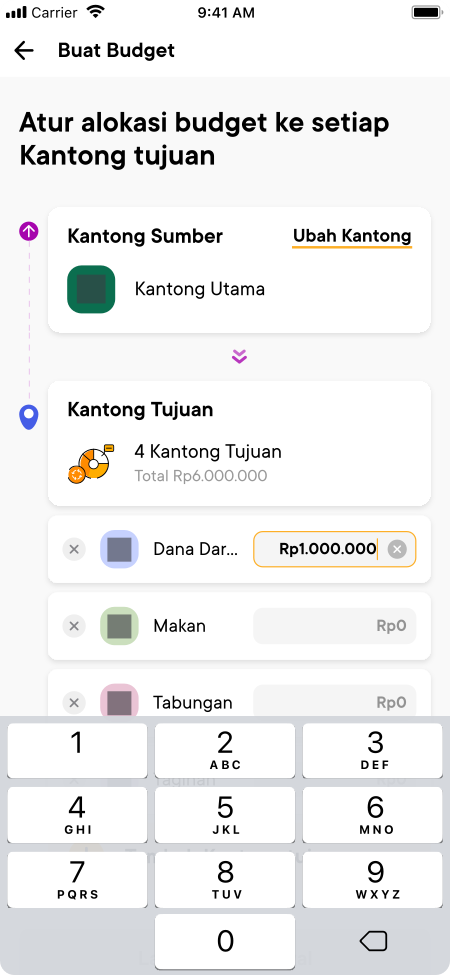
The key is to automate and set it aside right at the beginning of payday. As soon as the salary comes in, immediately move a portion to your savings Pocket, rather than waiting for leftover money at the end of the month. You can use the automatic budgeting feature in your chosen Jago/Jago Syariah Pockets to help secure your emergency fund or other savings so they don't get accidentally used for daily consumptive needs.