


In order to celebrate Eid al-Fitr, many people often go all out with their money. Then, they end up having no money to meet their daily needs after. To avoid being broke after Eid, it turns out that there are many strategies that can be done according to certified financial planner Nadia Harsya.
To Still Have Money Post Eid, Tips from Nadia Harsya
1. Spending is okay, but make sure it's still within what you have
"When it comes to Eid al-Fitr, in general there will always be extras because the celebration is only once a year. So it's normal if there is more spending. However, what makes it not right is when someone spends beyond what they have. So for example, you only have 10 million for Eid, but you spend up to 15 million. The extra 5 million is taken from savings for daily expenses or even more extreme, to the point of going into debt," said Nadia.
Furthermore, Nadia reminded us that Eid celebration is indeed important, but you still have to fulfill your daily needs.
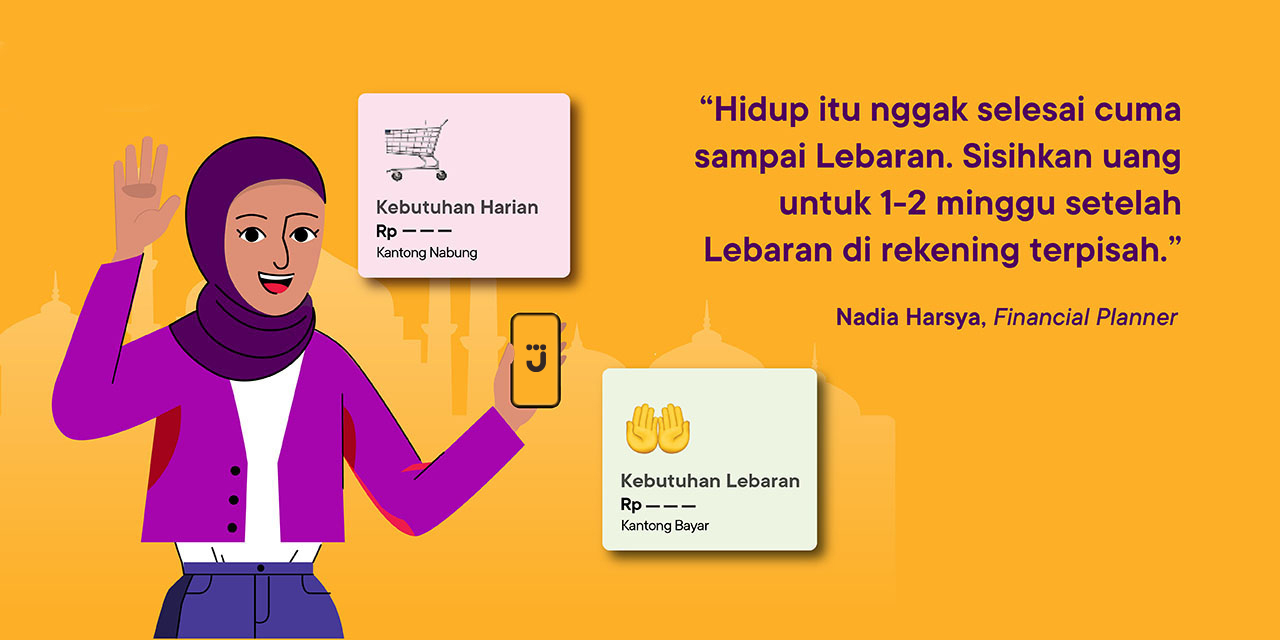
"Life doesn't end when Eid al-Fitr is over. Set aside money for 1 to 2 weeks after Eid al-Fitr to ensure that the necessities of life are met, by keeping the money in a separate account. Obligations or necessities such as daily meals, paying children's tuition fees and bills need to be prioritized."
2. Plan the budget for Eid needs in advance
Because there are many needs for Eid, for example including mudik, THR and oleh-oleh, you can make a list of what you need to make it easier and more practical when you want to allocate funds. Then, when should the budget for Eid needs to be planned?
"Ideally, before the month of Ramadan begins, you should start planning your finances. How much money for mudik, how much for THR, etc. Before Ramadan, open PO of pastries and others has already started. If you don't budget, you can be tempted. You end up spending all money.”
So, Jagoans, since Ramadan has started, budgeting for Eid needs can still be done for those who haven't. But, for the next Eid, it would be nice to follow Nadia Harsya's advice for budgeting before the month of Ramadan.
3. Prioritize THR for needs not wants
No less important, so that you still have money after Eid, Nadia suggested those who receive THR from the company to prioritize it for their needs.
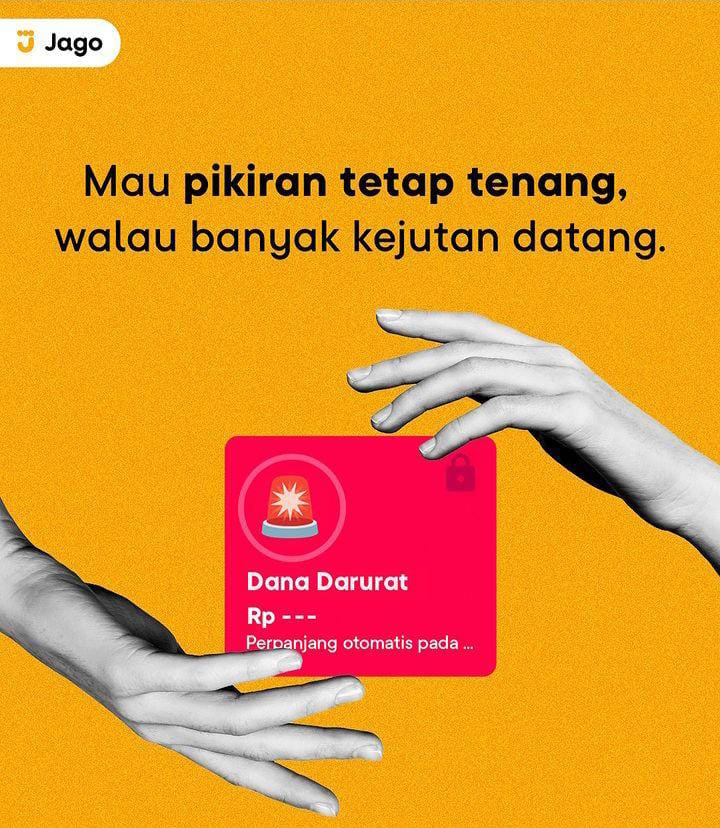
"Actually, people's needs are different. Some are obliged to give THR and go mudik, some are not. If it is mandatory, please use the THR as long as you don't spend more than you can afford. If there are no obligatory needs related to Eid, then THR can be allocated for needs such as emergency funds if there are none and debt repayment if any."
Meanwhile, if the THR is not enough to meet all needs, both the obligatory Eid needs and other needs, Nadia suggested to reduce expenses to ensure all needs are met. Other expenses in question include, for example, buying coffee and shopping.
Nadia also added that entrepreneurs who don't get THR must apply a separate strategy so they don't end up with no money as soon as Lebaran ends.
"The solution is to make a separate savings account. The money is set aside every month. It's best to start allocating money from the previous 12 months. Usually ahead of Eid turnover is rather high. Even so, don't spend all the money. Remember, not long after Eid, there is also a need for qurban.”
The Jago Pocket to Manage Money More Easily and Practically: 40 Pockets = 40 Accounts in 1 Application

Like Nadia's suggestion that money for needs after Eid is saved in a separate account, those of you who want it to be easier and more practical can use the Jago Pocket.
If you have lots of accounts everywhere, it can be a headache to monitor them yourself. Not to mention the monthly admin fees that must be paid.
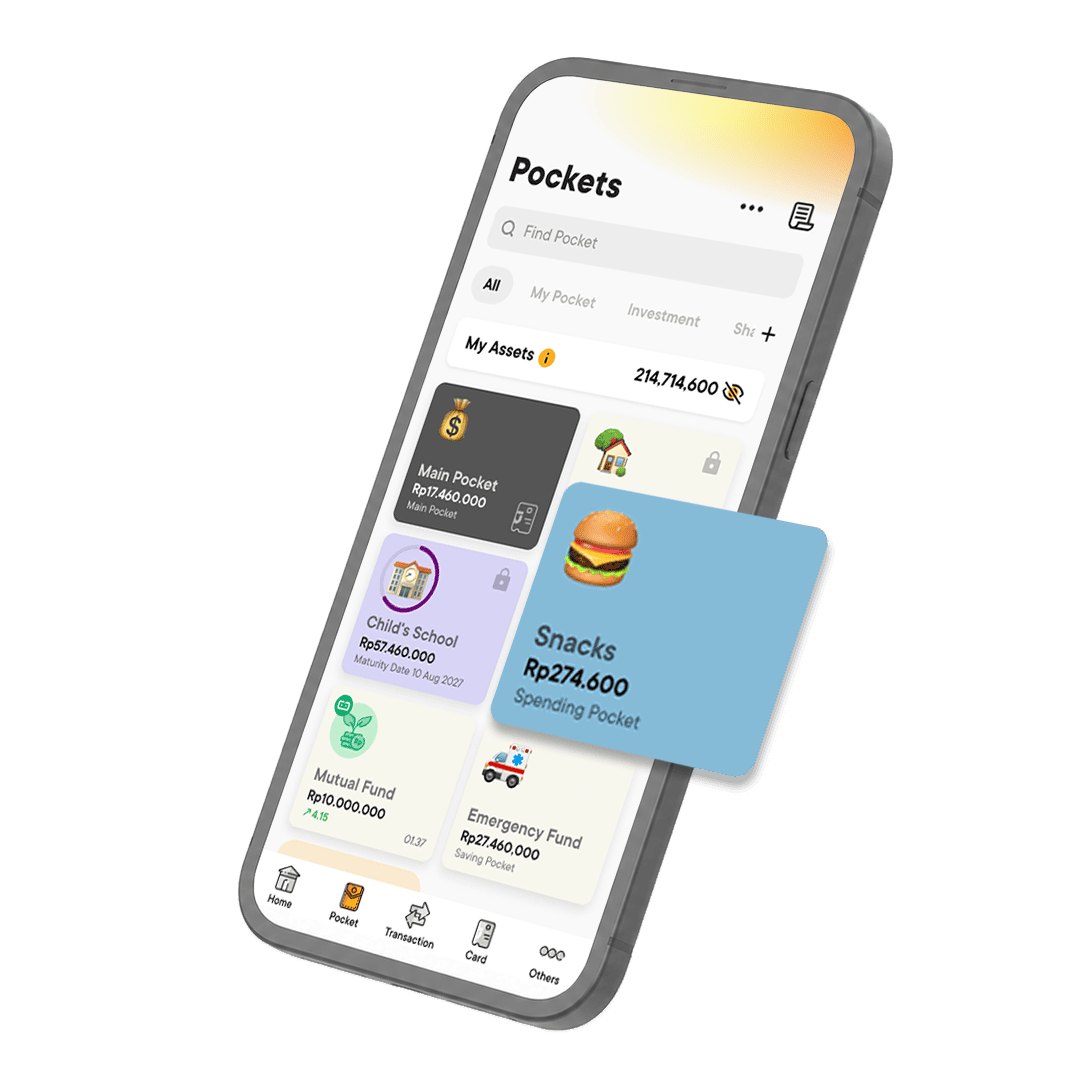
With Jago, you can create 40 Pockets that have their own account numbers, and without admin fees. All of these 40 accounts can be monitored from 1 application, the Jago application. So, it's not only post-Eid needs that can be separated, but also various other needs. In this way, the funds will not mix with each other.
Apart from that, if you want the money you need for Eid to be completely not used, you can lock your Pocket. Choose the period as you wish, it can be from as short as 14 days. By locking up money, you can enjoy a higher interest than the Saving Pocket. Nice right?
Time to plan your finances well to ensure you still have money after Eid.