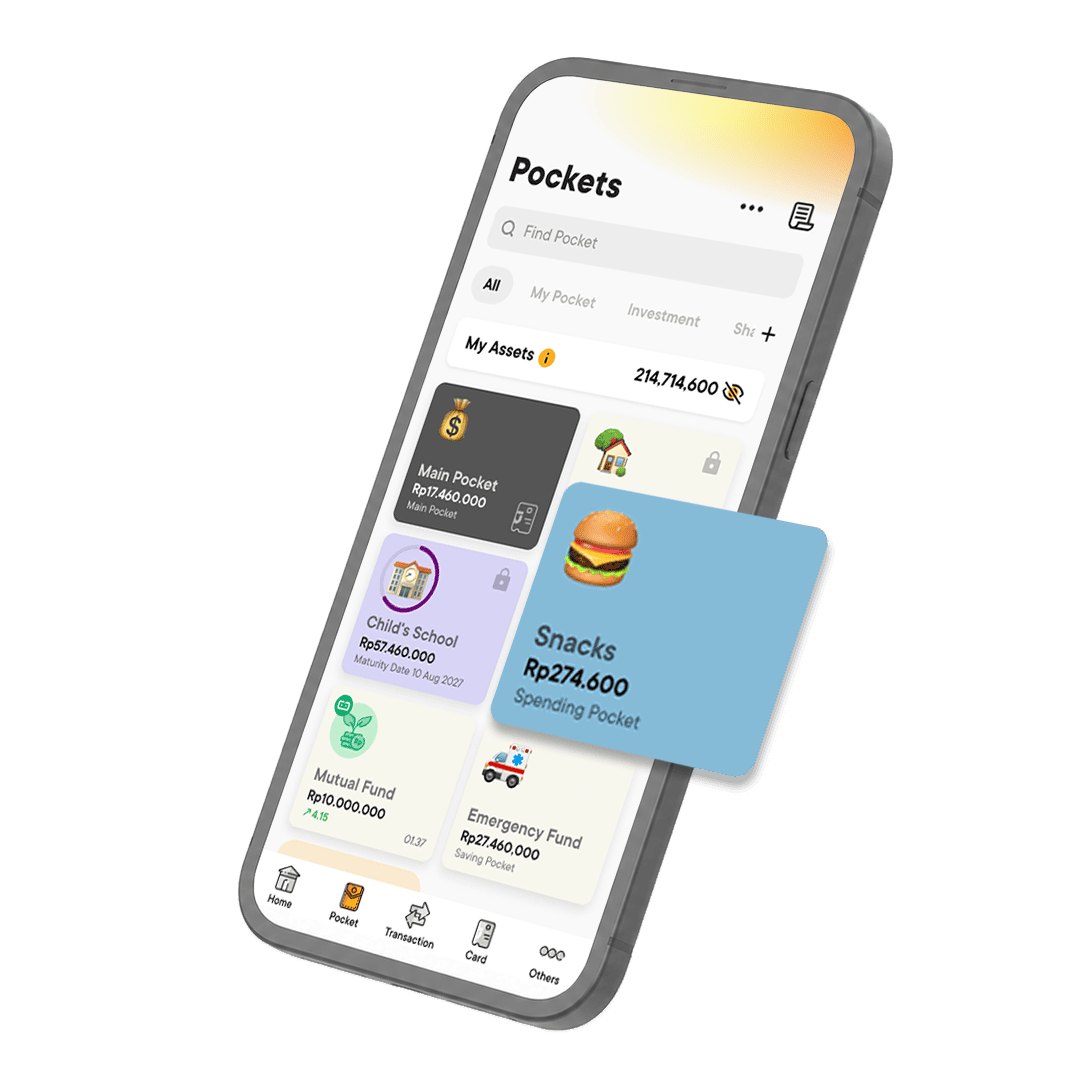




A harmonious relationship between husband and wife isn't just an empty promise, you know! Did you know that one of the keys to everlasting love between husband and wife lies in how you manage your household finances together? Money isn't everything, but good management can prevent many conflicts and strengthen your relationship.
Managing Household Finances Together: How to Start?
Managing finances between a husband and wife requires teamwork. So, how do you get started?
1. Be open about discussing household finances
- Are you and your partner honest about each other's income and expenses?
- Have you discussed your shared financial goals, like buying a house, children's education, or a dream vacation?
- Make sure there are no hidden financial secrets.
2. Create a joint financial budget
- Have all your routine incomes and expenses been recorded?
- What are your main priority needs?
- Have you allocated funds for entertainment and savings separately?
Examples of household expense categories
To get started, you can divide your fund allocation into several household expense categories, such as groceries, utility bills, installments, and entertainment funds.
Household financial management tips to prevent overspending
In addition to keeping track, it is important for you and your partner to understand how to manage household finances to avoid overspending. One trick is to apply the 50/30/20 rule (needs, wants, savings) or the separation method to lock funds for each household expense category.
By having clear limits for each budget post, you can remind each other if one of you starts spending outside the plan. This kind of disciplined approach is an effective way to save on household expenses, ensuring your monthly cash flow stays safe and controlled.
3. Define responsibilities in household finances
- How are bill payment duties divided in your home? For example, does the husband pay the house installments, and the wife pays for electricity and water?
- Have you designated one person as the main "treasurer," but still maintained transparency?
4. Set aside emergency funds for the household
- How important do you think an emergency fund is? It's crucial for unexpected events, isn't it?
- Do you have an emergency fund of at least 6-12 months' worth of expenses?
5. Evaluate household finances regularly
- How often do you review your joint budget? Every month can be a good idea.
- If there are changes in income or expenses, do you adjust your budget accordingly?
- Do you celebrate every financial achievement together? This is important for keeping morale high!
How to Master Household Financial Management with Jago/Jago Syariah Shared Pockets in the Jago Application
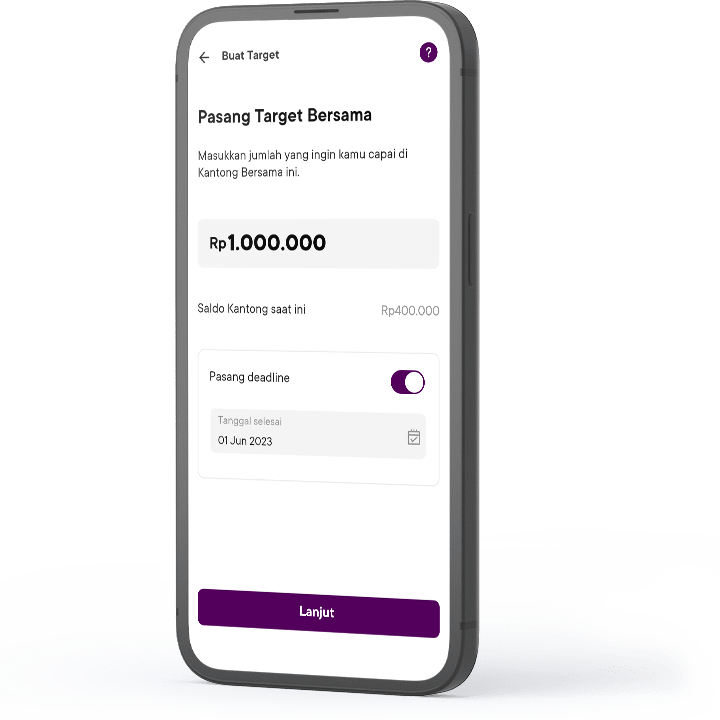
Managing household finances is now easier with a financial management application. One great option is Bank Jago and Jago Syariah, with the Shared Pocket feature. But how exactly does it work?
1. Creating Shared Pockets as joint accounts for couples
- Did you know this feature lets two people access the same account from their own smartphones?
- The process of creating a Shared Pocket in the Jago application is super easy. You can find the steps here for Jago users and here for Jago Syariah users.
2. Creating Shared Pockets as shared savings accounts for couples
- Try creating a dedicated Shared Pocket specifically for savings with your spouse. For example, a "Dream Vacation" Pocket or a "Child's Education Fund" Pocket.
- Financial goals achieved faster: By combining financial power, your savings will accumulate more quickly for big goals like a down payment on a house, children's education funds, or a vacation. You and your spouse can contribute according to your capability, but the target is reached faster together.
- Increased savings discipline: When saving is a shared commitment, there's extra encouragement and motivation to be disciplined. Seeing the joint savings progress can be a strong reminder to stay on track.
- Solid future planning: The Shared Pockets allow you to plan your future together more concretely. You can create various Pockets for different purposes (e.g., one for an emergency fund, one for retirement, one for a vacation), ensuring all aspects of your financial life are managed.
3. Creating Shared Pockets as accounts for managing joint expenses
- Full spending transparency: Every expense made from a Shared Pocket is automatically recorded and viewable by both husband and wife. This eliminates the question of "where did the money go?", as all transaction trails are recorded, building trust and reducing potential conflict.
- Clear division of responsibilities: You can assign who is responsible for paying which bills or managing certain spending categories (e.g., one for monthly groceries, one for entertainment). This makes the division of financial duties more structured and fair, lessening the burden on one partner.
- Better budget control: With funds allocated within a Shared Pocket, you can set spending limits for each category. This helps prevent overspending and ensures you stick to your agreed-upon budget.
- Reduced financial conflicts: Many household disagreements stem from money issues. By managing expenses transparently and collaboratively, financial decisions become the result of joint discussion and agreement, not unilateral decisions that can spark arguments.
- Automatic household financial records: Transactions in a Shared Pocket will be automatically and neatly recorded. This will make it easier for you to see your joint expenses. So, there's no need for complicated manual household financial records anymore.
Everlasting Love Between Husband and Wife Starts with Organized Finances
With transparent and collaborative financial management, everlasting love is no longer just a dream. It becomes a strong foundation for a harmonious and lasting relationship between husband and wife. Are you ready to use Jago/Jago Syariah Shared Pockets for your household finances?
FAQ About the Shared Pockets for Managing Household Finances
1. How can I manage household finances to avoid overspending using the Shared Pockets?
The key is budget compartmentalization or separation. Through the Shared Pockets, you and your partner can divide your income into specific "posts" (such as a Bills Pocket, Groceries Pocket, and Entertainment Pocket). By allocating funds to each Pocket, you create clear spending boundaries. If the balance in one Pocket is depleted, it serves as a signal to stop spending in that category so you don't dip into other allocations.
2. Why is the Shared Pocket more effective at preventing overspending than a regular joint account?
Because of transparency and real-time notifications. Every time there is an expense from a Shared Pocket, both you and your partner will receive a notification. This mutual monitoring creates an extra sense of accountability. You and your partner will think twice before making an impulsive purchase because the transaction is automatically monitored in real-time.
3. Can the Shared Pocket help track "small leaks" in household spending?
Absolutely. Overspending often happens due to small, unnoticed expenses. The Transaction History in a Shared Pocket records every expense in detail. At the end of the month, you and your partner can evaluate which categories are consuming the most costs, then adjust the budget limits for the following month to keep your finances healthy.