


Being a Virtual Assistant, Content Creator, Social Media Manager, or any other freelancer in 2026 is exciting because income can come from anywhere. However, there is one major challenge: all the money entering your account is "gross income." This means it still contains a portion for taxes that must be paid to the state.
Many freelancers are shocked at the end of the year when they have to pay a large lump sum of tax. To avoid the headache, the key is separating your funds from the start. Here is a practical guide to self-tax management using the Jago/Jago Syariah Pockets to keep your finances secure.
1. Manage Cash Flow with the Jago/Jago Syariah Pockets: A Pocket for Every Need
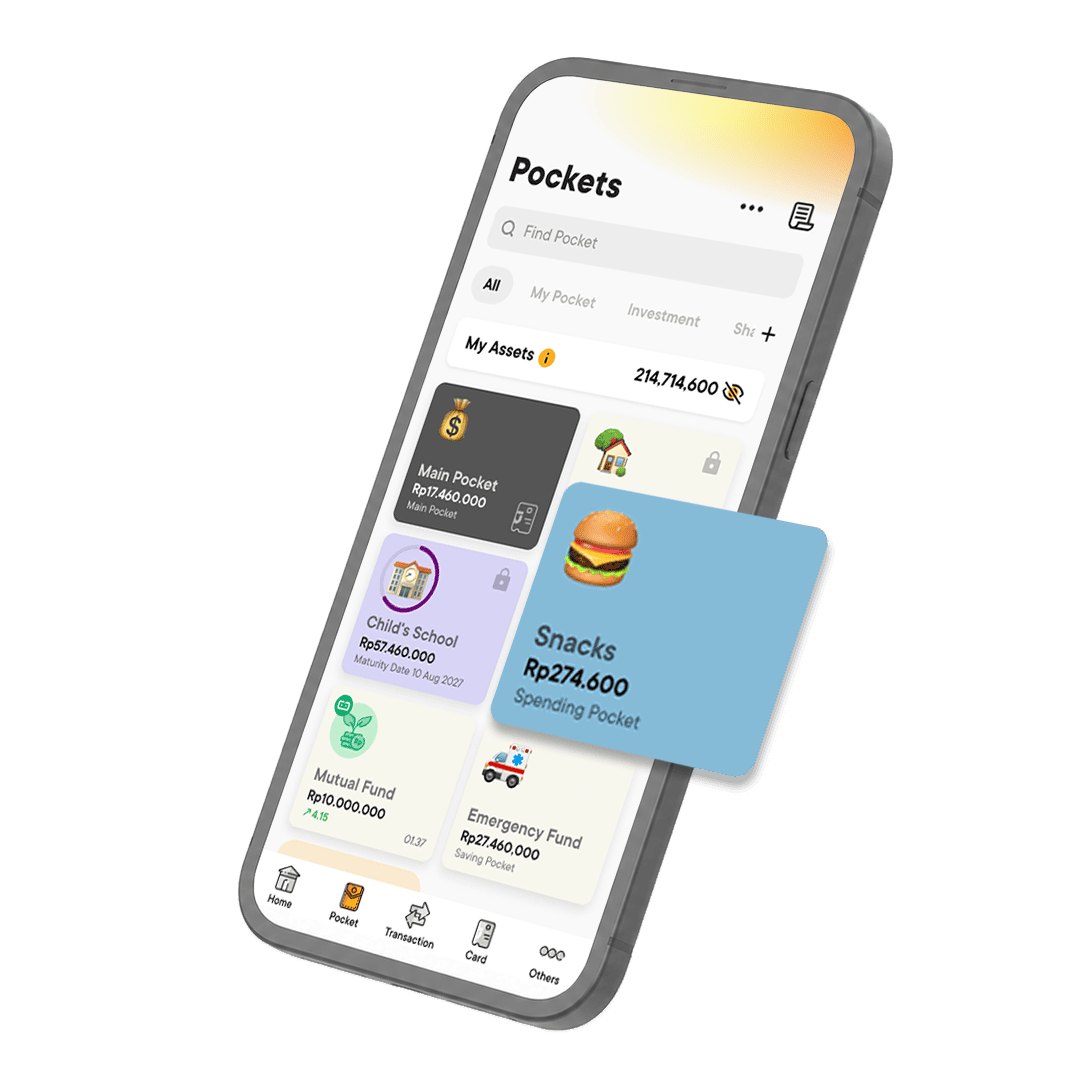
Don’t mix your grocery money, pocket money, and tax money in one place (one account). Using the Jago/Jago Syariah Pocket feature is incredibly helpful because you can see a clear boundary between the money you can spend and the money that is "just passing through."
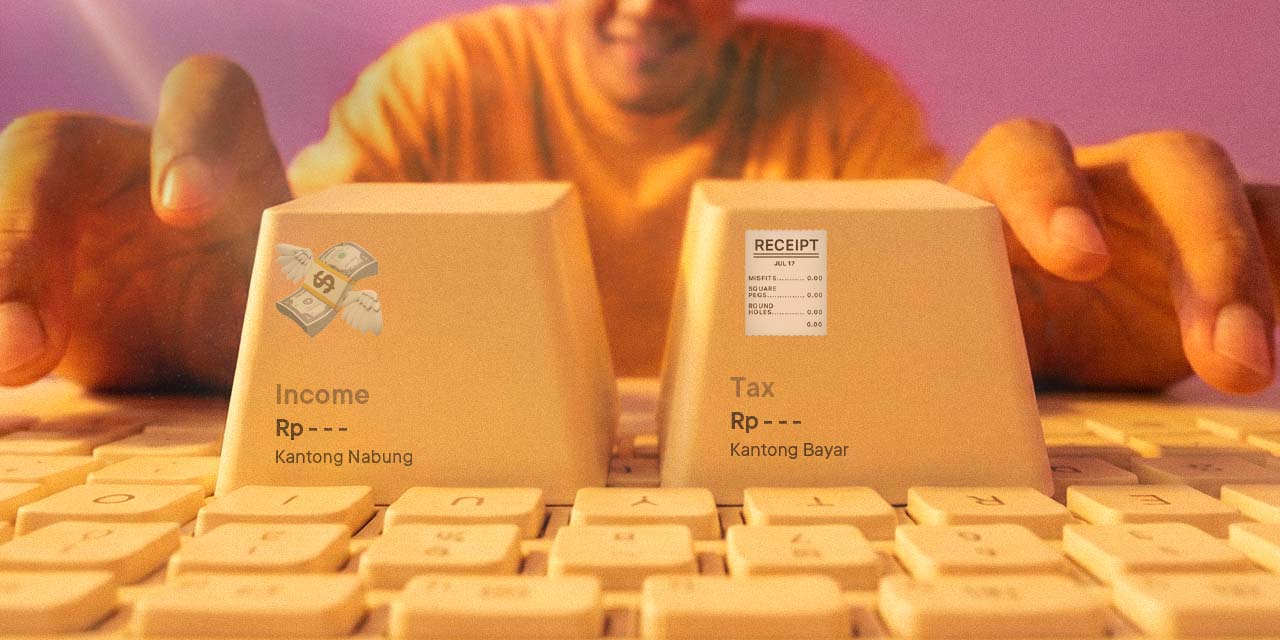
- Income Pocket: This is where all payments from clients land. Do not use the debit card linked to this Pocket for daily expenses.
- Tax Pocket: Immediately move about 5% to 10% of every incoming payment here. Name this Pocket clearly, for example: "Tax - Do Not Touch."
- Net Salary Pocket: After deducting taxes and operational costs, move the remainder to this Pocket for personal use. You can later split this into other Pockets for various needs, such as savings and daily spending.
2. How to Allocate Freelance Tax Funds into a Separate Jago/Jago Syariah Pocket
To ensure your tax portion doesn't get "skipped" or accidentally used for online shopping, try these allocation tricks:
- The "First Minute" Rule: Every time you get an income notification (e.g., Rp5,000,000), open the Jago application immediately and move Rp500,000 (10%) to your Tax Pocket. Don't wait!
- Separate by Client: If you have regular clients, you can create several Tax Pockets for each project. This makes it easier to track which taxes have been deducted by the client and which ones you need to pay yourself.
- Name Pockets by Year: To avoid confusion, give your Pockets specific names, like "2026 Taxes." This way, you know exactly how much of your "obligatory savings" has accumulated throughout the year.
3. Essential Documents to Save for Annual Tax Reporting (SPT) as a Freelancer
Besides the money, your administration must be tidy. Save these documents in one folder:
- Withholding Tax Slip: If your client is a company, they usually deduct your tax for you. Ask for the tax slip! This is crucial so you don't end up paying tax twice on the same income.
- Monthly Income Records: Create a simple table containing the date, client name, and the amount received. This will make it much easier when you fill out your report in the tax system later.
- Coretax Account Access: Save your login credentials so you don’t have to rush to the tax office as the filing deadline approaches.
Jago Tips: Making Tax Payments Feel Weightless
Taxes feel heavy when paid as a large lump sum. By setting aside a little bit every time you get paid, you are essentially "installing" your obligations without feeling the pinch. When tax season arrives in March, you simply take the money from your accumulated Tax Pocket. Safe and stress-free, right?
FAQ About Freelance Tax
1. If my income is still small, do I still need to set aside money in the Tax Pocket?
It is best to keep setting it aside. Even if your total annual income ends up being below the taxable threshold, the money collected in your Pocket can serve as a bonus saving or an emergency fund for you at the end of the year.
2. Why should tax money be separated into a different Pocket?
So you don't get trapped by a "pseudo-balance." Your account balance might look large, but if it isn't separated, you might accidentally spend money that is meant for taxes.
3. What if my client already deducted the tax?
You still need to record it and save the Withholding Tax Slip. The amount you need to set aside in your Pocket might be smaller, but disciplined recording is still required for an accurate report.