


Many people view an emergency fund as just regular savings to set aside "only if there's money left" at the end of the month. In reality, an emergency fund is your primary safety net that prevents you from falling into a financial crisis or debt trap when worst-case scenarios happen.
According to financial planning standards, the ideal size of an emergency fund varies depending on your lifestyle profile:
-
Single / Full-Time Employee: Minimum of 3–6x monthly expenses.
-
Married / With Dependents: Minimum of 6–9x monthly expenses.
-
Freelancer / Business Owner: Minimum of 9–12x monthly expenses.
If you fall into any of the following 5 situations, building an emergency fund is non-negotiable:
1. You Have Only One Source of Income
If you rely solely on a salary from a single full-time job, your financial standing heavily depends on the financial health of the company you work for. Layoffs or corporate downsizing can happen unexpectedly.
Practical Solution with Jago
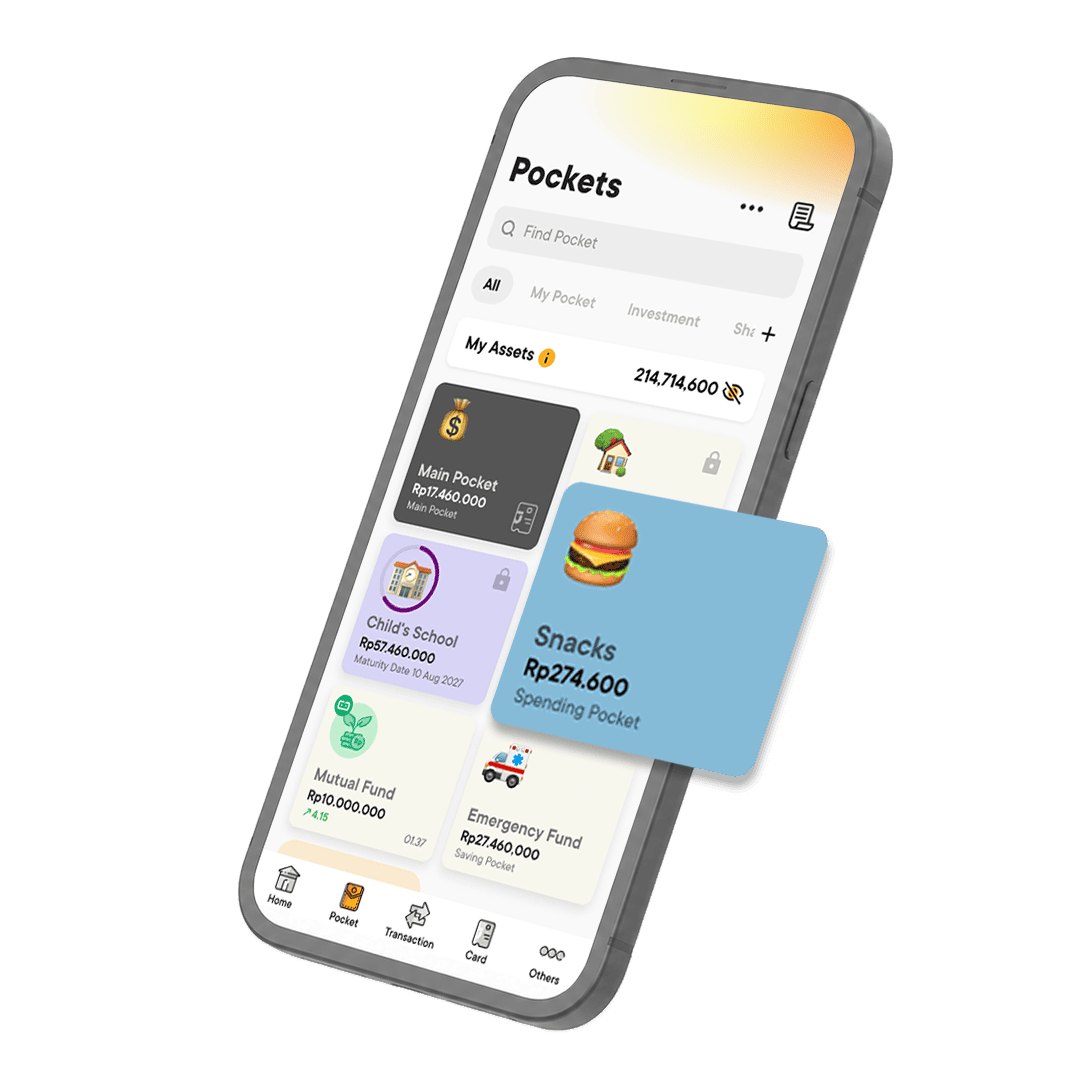
Set aside at least 10% of your monthly salary right when payday arrives using the Auto-Budgeting feature in your Jago Saving Pocket. Funds will automatically transfer before they get spent on daily needs.
2. You Are a Freelancer or Business Owner
As a freelancer or business owner, your cash flow fluctuates—some months bring high revenue, while others bring few to no projects. An emergency fund acts as a buffer to cover your cash flow during dry spells.
Practical Solution with Jago
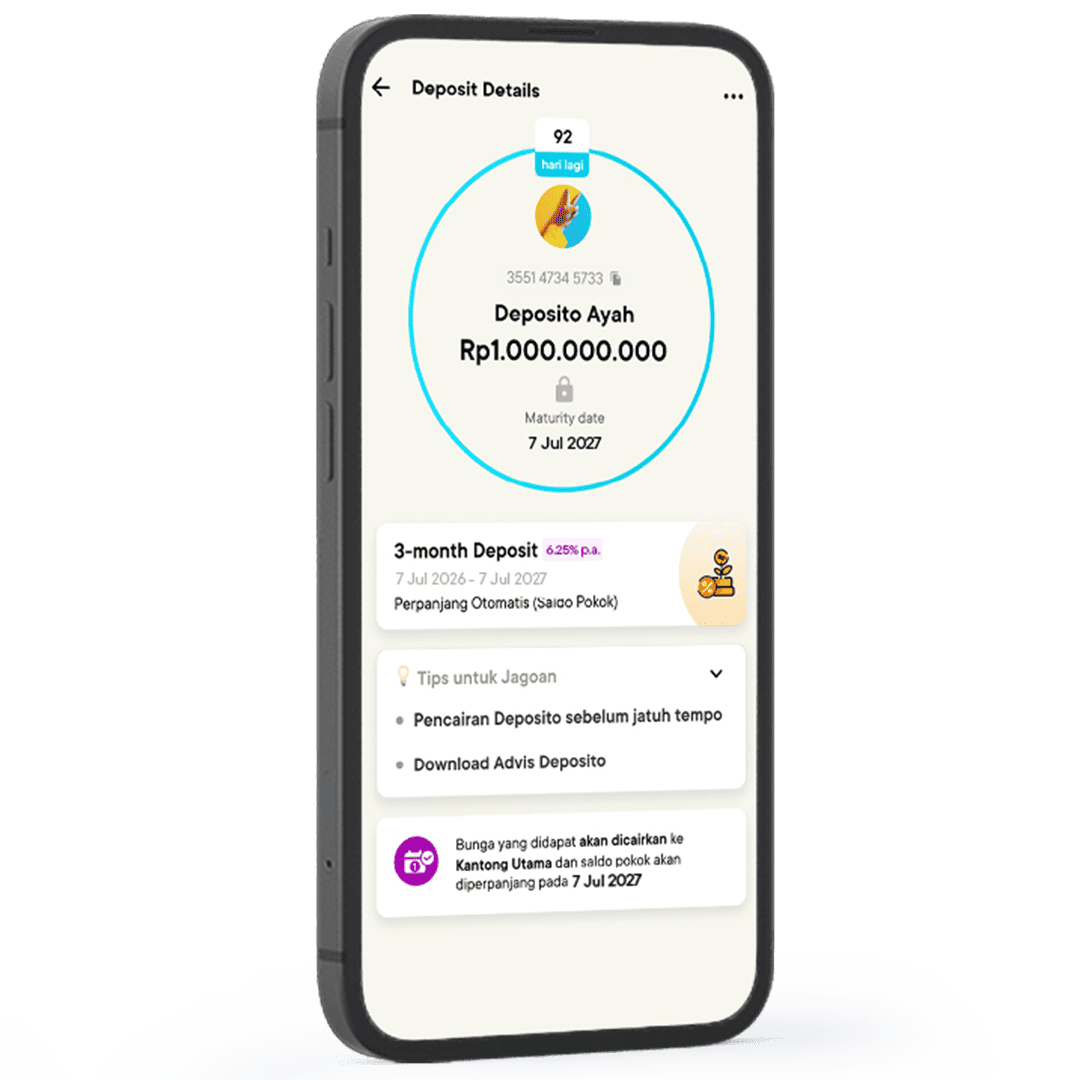
When you receive payment from a major project, lock in a portion of your emergency fund right away in a Jago Term Deposit. If you ever face a slow period and need quick cash, the Jago Term Deposits can be withdrawn at any time directly from the app without any penalty fees.
3. You Face Health Risks or Have Elderly Family Members
Even if you have health insurance, there are often secondary medical costs that aren't covered, such as specific lab tests, specialized medications, or routine outpatient transport.
Practical Solution with Jago
Create a dedicated Jago Pocket for "Health Emergency Fund" separate from your main Pocket. Connect it to your Jago Debit Card so it's ready to swipe during a medical emergency without disrupting your daily savings.
4. You Own a Home
Owning a home means you are fully responsible for maintenance and repair costs. A leaky roof during the rainy season, a broken water pump, or air conditioner repairs are unexpected expenses that require fast cash.
Practical Solution with Jago
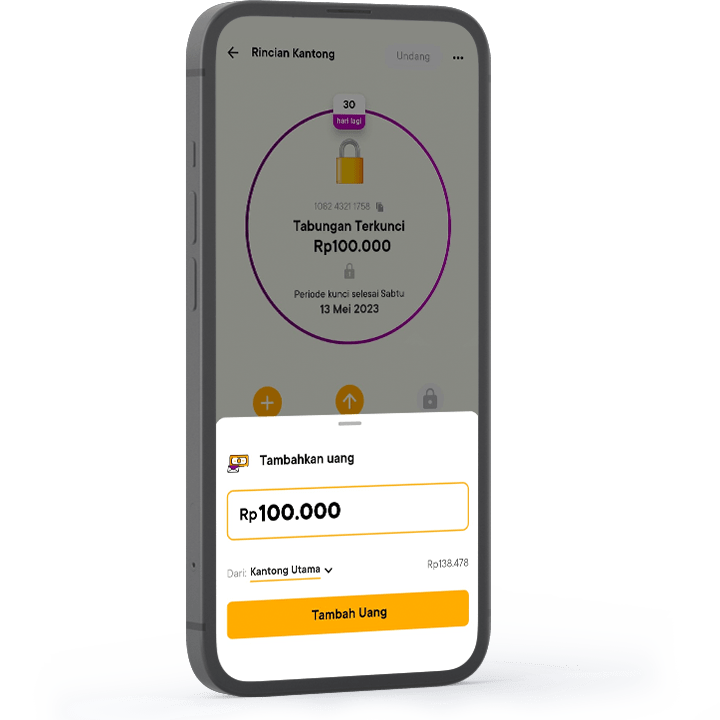
Manage your household expenses in one single app. Allocate a portion of your funds to a Locked Pocket to prevent impulsive spending when your home doesn't require repairs.
5. You Are Just Starting to Learn Budgeting
For beginners, daily budget planning often overlooks small yet essential recurring expenses (such as periodic vehicle servicing or annual dues). A micro-emergency fund helps cover these budgeting miscalculations so you don't have to resort to taking on debt.
Practical Solution with Jago
Use the Spend Analysis feature in the Jago app to track where your money goes, then adjust your emergency fund allocations precisely every month.
Secure Your Safety Net Today
An emergency fund isn't about how large of an amount you can set aside today; it's about the consistency of starting as early as possible.
Ready to build your financial safety net? Open the Jago app and allocate your emergency fund in a Saving Pocket, Locked Pocket, or Jago Term Deposit today!