


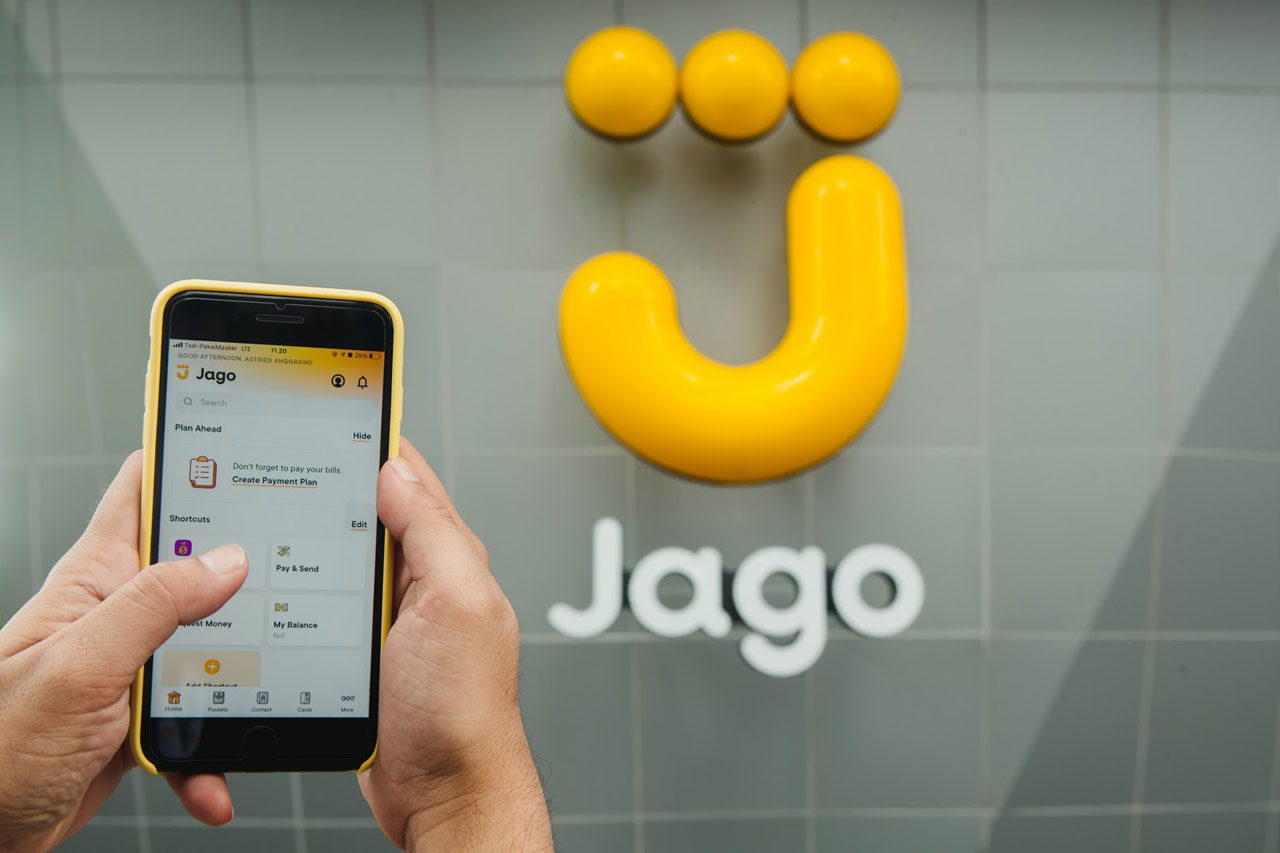

Jakarta, 9 April 2025 - For the fourth time since it began operations, PT Bank Jago Tbk has been recognized as one of the world’s best banks by leading business magazine Forbes. Bank Jago is also the highest-ranked tech-based bank and has made it into the top five best banks in Indonesia.
In collaboration with global research firm Statista, Forbes compiled the 2025 World’s Best Banks ranking based on a survey involving over 50,000 respondents across 34 countries. The online poll was conducted in 17 different languages to evaluate bank performance across five key aspects: trust, terms and conditions such as fees and interest rates, service satisfaction including waiting time and staff friendliness, ease of use of digital services, and the quality of financial advice.
Forbes emphasized that trust is the most crucial aspect of banking, regardless of time or place, especially amidst challenging economic conditions following the U.S. reciprocal tariff policy. This situation has driven people around the world to be more focused than ever on choosing banks that are trustworthy and capable of meeting their needs.
The trust indicator includes assessments of a bank’s financial stability, attentiveness to customer needs, and data security. Meanwhile, overall service satisfaction measures how pleased customers are and how likely they are to recommend the bank to family or friends. Service quality is judged by responsiveness, waiting times, and staff friendliness.
The terms and conditions indicator highlights transparency on fees, loan interest rates, and access to free ATMs. Digital service measures focus on the ease of using the bank’s website and mobile app. Lastly, the quality of financial advice is measured by the advisor’s knowledge and the clarity of the advice and recommendations given.
Out of 385 listed banks, Bank Jago is among the 265 that consistently demonstrated outstanding performance and thus was again named one of the world’s best banks this year.
As a tech-based bank with the aspiration to enhance the growth of millions through life-focused digital financial solutions, Bank Jago offers products and services through the Jago App, designed to be customized and personalized to meet each customer’s needs.
“We believe financial institutions that can maintain a balance between utilizing technology, upholding strong financial fundamentals, and applying sound risk management will have greater sustainability in serving customers,” said Tjit Siat Fun, Bank Jago’s Compliance Director and Corporate Secretary.
Bank Jago’s success in being named one of the world’s best banks for four consecutive years also reflects its strong commitment to continuous innovation and collaboration within the digital ecosystem to meet customer needs.
“Bank Jago’s re-entry into the list of the world’s best banks shows a strong appreciation for tech-based banks. For Bank Jago in particular, this recognition affirms our business model that prioritizes innovation and collaboration within the digital ecosystem,” Tjit Siat Fun added.
Throughout 2024, Bank Jago recorded a net profit after tax of IDR 129 billion, a 78% increase compared to the previous year’s IDR 72 billion. This positive result was driven by contributions from Bank Jago’s 15.3 million customers, including 12.1 million funding customers using the Jago App — a nearly 50% increase from 8.1 million at the end of 2023.
The increase in Jago App users positively impacted customer deposits, which reached IDR 18.8 trillion, up 56% from IDR 12.1 trillion in 2023. Most of the Third-Party Funds (DPK) came from current and savings accounts (CASA) totaling IDR 10 trillion, with the remaining IDR 8.8 trillion from time deposits.
On the lending side, Bank Jago recorded significant growth with total credit reaching IDR 17.7 trillion, a 36% increase from IDR 13 trillion in 2023. The bank maintained high credit quality with a low Non-Performing Loan (NPL) ratio of just 0.2%. This credit growth pushed Bank Jago’s total assets to IDR 28.5 trillion, up 34% from IDR 21.3 trillion the previous year, with a capital adequacy ratio (CAR) of 44.4%.
***