

Have you ever noticed your favorite snack running out faster, even though the price stayed the same? Or maybe that detergent you usually buy looks just a little bit slimmer on the supermarket shelf?
If you’ve picked up on this, don't worry, you’re not imagining things. It’s a very real phenomenon that’s happening more frequently around us, known as shrinkflation.
In today’s dynamic economy, small changes like these can subtly tighten our monthly budgets before we even realize it. But there’s no need to panic. With the right understanding and a smart money allocation strategy, you can stay completely in control of your finances. Let’s break down what shrinkflation is and how to navigate it like a pro!
What Is Shrinkflation? (Plus Real-World Examples)
Shrinkflation is a blend of two words: shrink and inflation. This happens when manufacturers adjust the size, weight, or volume of a product while keeping it at the same price point, or with only minimal price adjustments.
Why do companies do this? It’s simple: the costs of raw materials and production have gone up. To keep products feeling accessible and affordable for consumers, brands choose to gradually reduce the portion or contents instead.
What are some examples of shrinkflation around us?
- Snacks: A bag of potato chips dropping from 100 grams to 85 grams, while remaining around the Rp10,000 price mark.
- Processed Foods: Chocolate bars with fewer ridges or slightly reduced dimensions.
- Household Essentials: Tissues with fewer sheets per box, or liquid detergent moving from 800ml down to 720ml.
Which Sectors Are Affected Most Often by Shrinkflation?
Shrinkflation is most commonly spotted in everyday consumer categories:
1. Packaged food and beverages
The F&B industry is ground zero for shrinkflation because consumers are particularly sensitive to daily price changes.
2. Personal care and hygiene products
Soaps, shampoos, toothpaste, and household cleaners.
3. Restaurants and fast food
Slightly smaller serving sizes or subtle adjustments to ingredient ratios in dishes.
Interesting fact: Besides shrinkflation, there’s also skimpflation, where manufacturers substitute ingredients with more cost-effective alternatives without changing the package size. Both affect the overall value you get for every rupiah spent.
Smart Ways to Handle Shrinkflation in This Economy
Facing shrinkflation doesn't mean you have to stop enjoying your favorite treats or cut back drastically on essentials. The key lies in adopting a more flexible and structured financial strategy.
1. Shift your spending priorities
Start by separating your daily essentials, flexible needs, and wants. As product sizes shrink, purchase frequency might naturally go up. Make sure core necessities are covered before allocating funds toward entertainment.
2. Focus on price per unit
Pay closer attention to package details. Compare the price per gram, per milliliter, or per sheet. Often, larger sizes or refill packs offer better economic value than medium-sized, ready-to-use packages.
3. Evaluate and adjust your monthly budget allocation
If your monthly grocery budget is typically Rp5,000,000, consider making a thoughtful adjustment, perhaps by shifting a small percentage from lifestyle expenses or optional subscriptions.
Tackle Shrinkflation by Managing Budget Allocations with the Jago/Jago Syariah Pockets
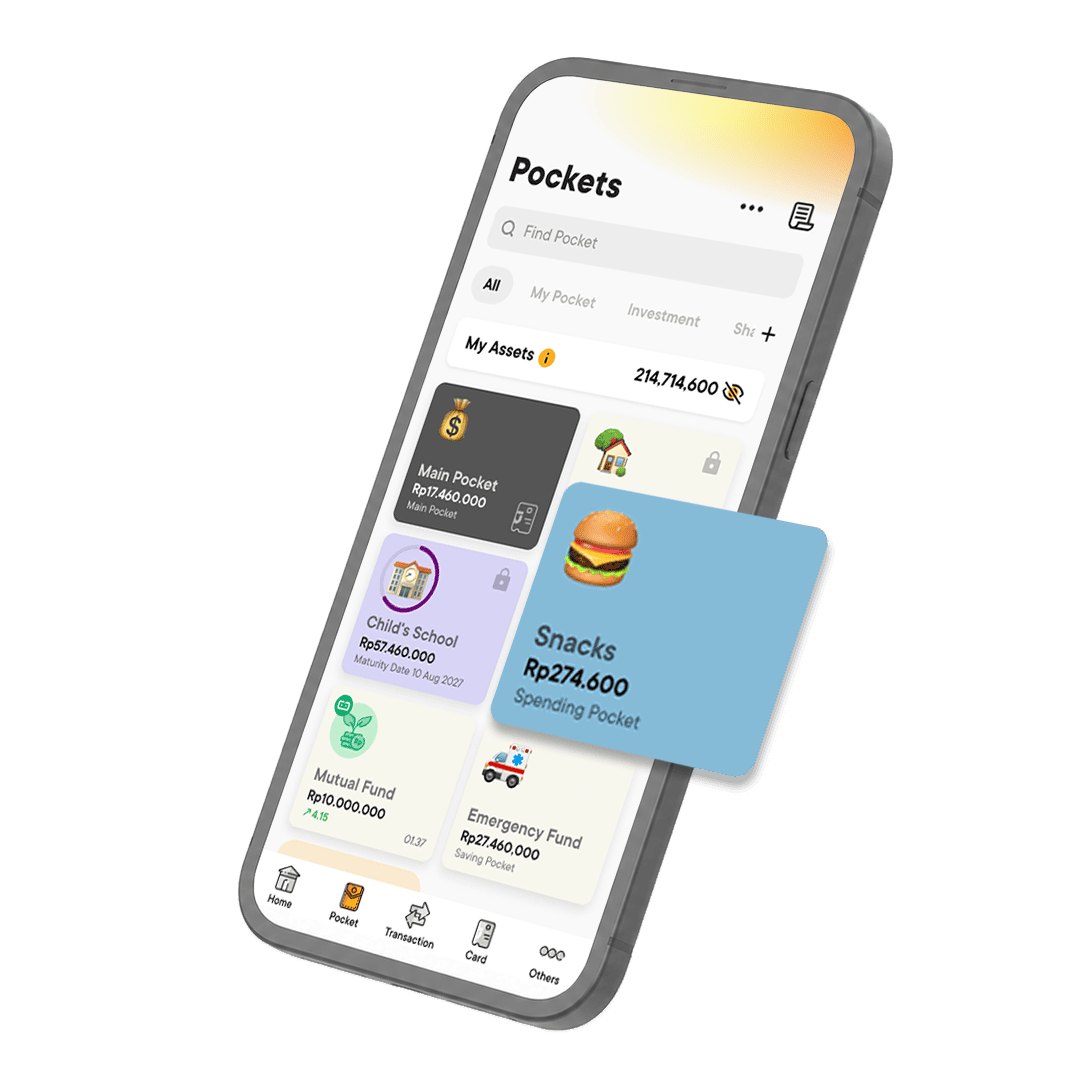
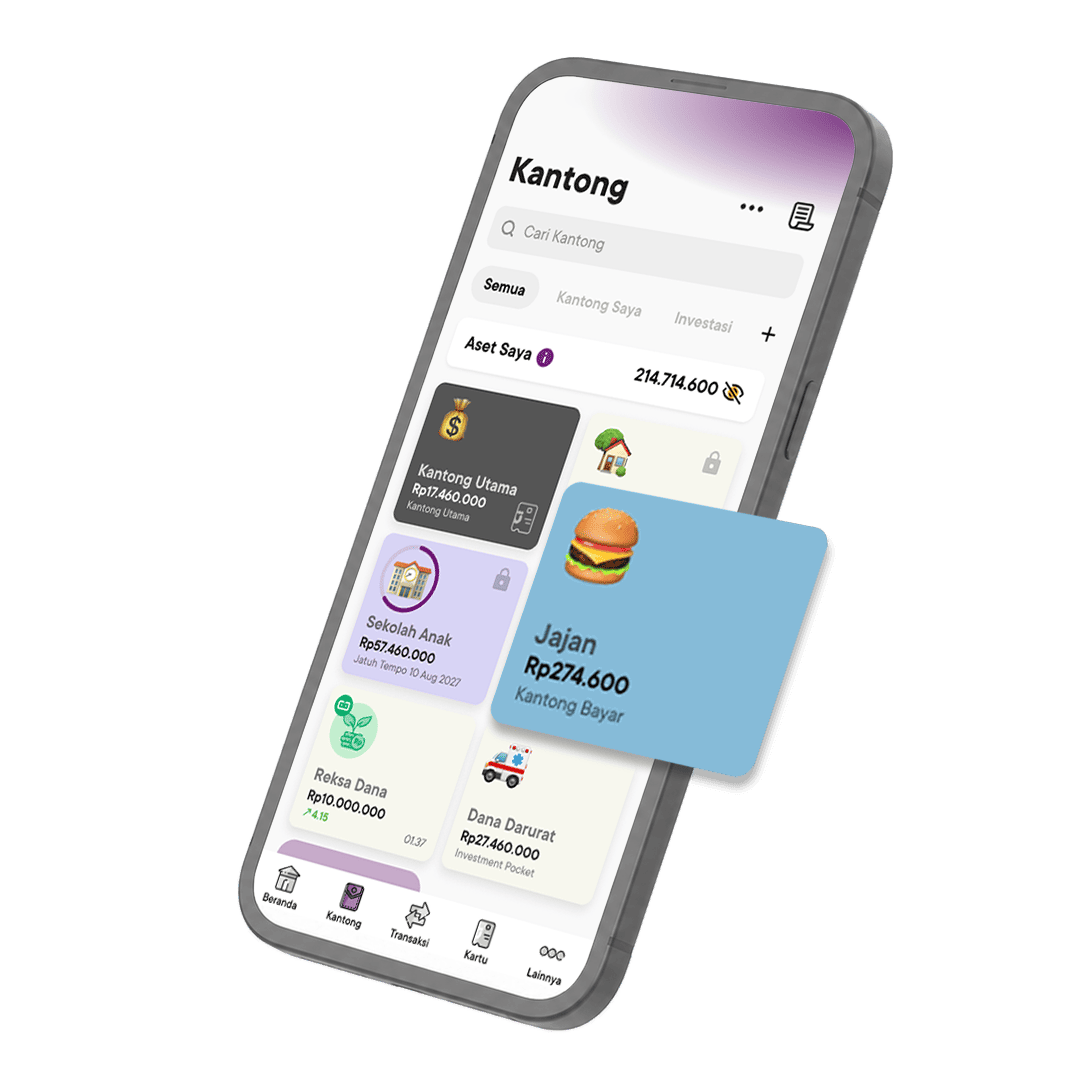
To make adjusting your budget allocations seamless, you need an application that simplifies money management. That’s where the Jago/Jago Syariah Pockets come in.
Key benefits of the Jago Pockets:
- Clear Fund Separation: You can create dozens of separate Pockets (Spending and Saving Pockets) under one account without opening multiple bank accounts. Every single rupiah has its dedicated home and purpose.
- Automated Budgeting: Automatically route incoming money into respective Pockets based on set percentages or nominal values you design.
- Spending Transparency: Every Pocket features its own transaction history, letting you monitor cash flow in real-time.
- Collaborative: Share Pockets with your partner or family members to manage household grocery budgets together seamlessly.
Practical Ways to Use the Jago/Jago Syariah Pockets Against Shrinkflation
Let's translate this into actionable daily habits. Here is a practical scenario for staying ahead of shrinkflation:
Step 1: Create a dedicated "Monthly Groceries" Pocket
Set up a Spending Pocket specifically for everyday household needs. Since product volumes are shifting, consider increasing this Pocket's allocation by 5% to 10% compared to previous months.
Step 2: Create a "Buffer Fund" Pocket
Reallocate a small portion from your Entertainment or Snacks Pocket into a Buffer Pocket. If everyday essentials run out slightly faster than expected, you can draw from this buffer without disturbing your primary savings.
Step 3: Link the Pocket to Your Jago/Jago Syariah Debit Card
Link your debit card directly to your "Monthly Groceries" Pocket. That way, whenever you pay at the checkout counter, funds are deducted precisely from that specific Pocket, keeping the rest of your money safe from being used accidentally.
FAQ About Shrinkflation and the Pockets to Manage Money
1. What’s the difference between regular inflation and shrinkflation?
Regular inflation usually means prices rise for the exact same quantity. Shrinkflation means prices stay relatively constant, but the size or quantity is adjusted downward.
2. Is shrinkflation legal and compliant with regulations?
Yes, as long as manufacturers accurately and honestly state the net weight or volume on the packaging in accordance with consumer transparency standards.
3. Are there extra admin fees for creating multiple Jago/Jago Syariah Pockets?
Nope! You can create multiple Spending and Saving Pockets completely free of monthly admin fees.
4. How do I determine the right budget adjustment during shrinkflation?
Review your spending history over the last 2–3 months. If you notice yourself buying daily necessities more frequently, thoughtfully shift a small portion from non-essential Pockets over to your Main Grocery Pocket.
Shrinkflation is simply part of today's economic climate, but it doesn't have to stop you from managing your money with confidence. By keeping an eye on product details and managing your funds with the Jago/Jago Syariah Pockets, you can keep your cash flow healthy, flexible, and completely on track!