


Death is a certainty, yet we often overlook one crucial thing related to it: funeral costs. These expenses frequently escape our financial planning, even though they can be a significant burden for the grieving family. Arranging for funeral expenses early on doesn't mean wishing for the worst; rather, it's a form of responsibility and affection so that we don't trouble our loved ones later.
Why is it Important to Prepare for Funeral Costs?
Many people assume funeral costs aren't very high or that relatives will handle them. However, there are various cost components that you need to consider.
General Funeral Cost Components
These components are generally required in the funeral process.
1. Cemetery plot or burial place provision costs
- Plot rental or purchase: Prices vary greatly depending on the location (public cemeteries vs. private/memorial parks) and facilities offered. In public cemeteries, costs are relatively affordable, while in private cemeteries, they can reach tens to hundreds of millions of rupiah.
- Grave digging and closing: Services for digging and closing the grave.
- Plot lease extension: Some public or private cemeteries charge a fee for extending the plot lease after a certain period (e.g., every 3 years).
2. Remains handling costs
- Body care costs: Generally include cleaning and bathing.
- Transportation of remains costs: Fees for transporting the deceased to the burial site. Rates can differ for in-city and out-of-city transport. If needed, there are additional costs for escorts.
3. Headstone or plaque costs
- The cost required for the creation and installation of the grave marker.
4. Administrative and legal costs
- Death certificate: Processing official documents from RT/RW (neighborhood unit/community unit), urban village, to civil registry.
- Grave certificate: Document of ownership or right to use the burial plot.
5. Other additional costs
- Grave maintenance: Some cemeteries offer periodic grave maintenance services (cleaning, tidying grass) at an additional cost, of course.
Funeral Cost Components for Islam
In Islam, the funeral process follows specific religious guidelines and procedures that are relatively simple and not meant to be burdensome. The costs incurred generally relate to providing basic facilities and equipment. In addition to the costs mentioned previously, you should also prepare funds for the purchase of burial shroud to wrap the body after it has been bathed. Don't forget the cost of food and drinks for guests attending the tahlilan or collective prayer event, as well as an honorarium for the ustadz/kyai, which is usually voluntary.
The principle of Islamic burial emphasizes not burdening the family, and it is strongly encouraged not to build lavish or excessive graves.
Funeral Cost Components for Other Religions (Such as Cremation and Funeral Homes)
For religions or beliefs that do not practice burial, or for those who opt for more modern processions, there are specific cost components.
For example, there are cremation costs which include the type of crematorium service package, urn for ashes, storage place for ashes, or scattering of ashes. Other important costs to consider are funeral home fees, purchase of a coffin, and religious ceremonies.
Given the significant variation in costs, conducting research and directly inquiring with funeral service providers is the best step to get an accurate estimate.
How to Prepare for Funeral Costs with Bank Jago/Jago Syariah
The Jago application can be a smart solution to easily and structurally prepare these funeral funds, in line with your principles.
1. Create a dedicated Pocket for funeral funds
The Jago/Jago Syariah Pocket feature simplifies budget allocation for various needs. Create a dedicated Pocket named "Funeral Fund" or "Final Inheritance Fund." This will help you separate funeral funds from daily expenses and other needs, keeping them allocated.
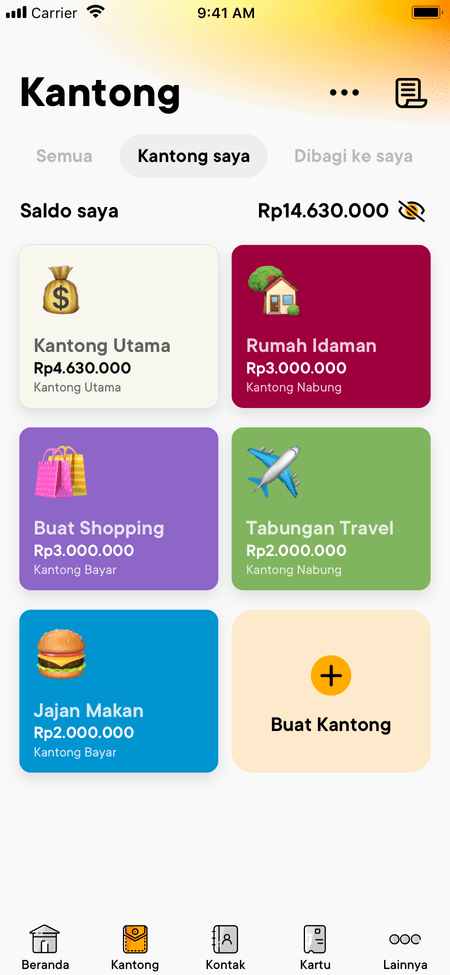
2. Determine a target fund and routinely allocate a budget
Once you have a target amount, decide how much you will regularly set aside (e.g., daily, weekly, or monthly) into that Pocket. You can use the automatic budgeting feature in the Jago application to make fund allocation automatic.
3. Consider a Jago Term Deposit/Jago Syariah Deposit
To ensure funeral funds aren't used for other needs, you can utilize the deposit feature. Funds in your Jago Term Deposit/Jago Syariah Deposit can be withdrawn before the specified date without early withdrawal penalties, ensuring the funds are available when needed.
Learn more about the complete differences between Jago and Jago Syariah in this article.
4. Utilize the Spend Analysis feature
Even though funeral costs are a future expense, training yourself to be disciplined in managing your monthly budget is very important. The Spend Analysis feature in the Jago application will help you see where your money goes and which areas you can save on to set aside for the funeral fund Pocket.

5. Inform your closest family about the funeral costs prepared in the Jago application
It's important to inform your spouse or adult children about these funeral funds, which you save in a Pocket or Deposit. Tell them how to access it if needed. This is part of comprehensive legacy planning.
Preparing for funeral costs early is a wise form of financial planning and an act of love for your family. With the help of the practical features in the Jago application, you can ensure that this final expense doesn't become a burden, but rather a legacy of comfort for your loved ones.