


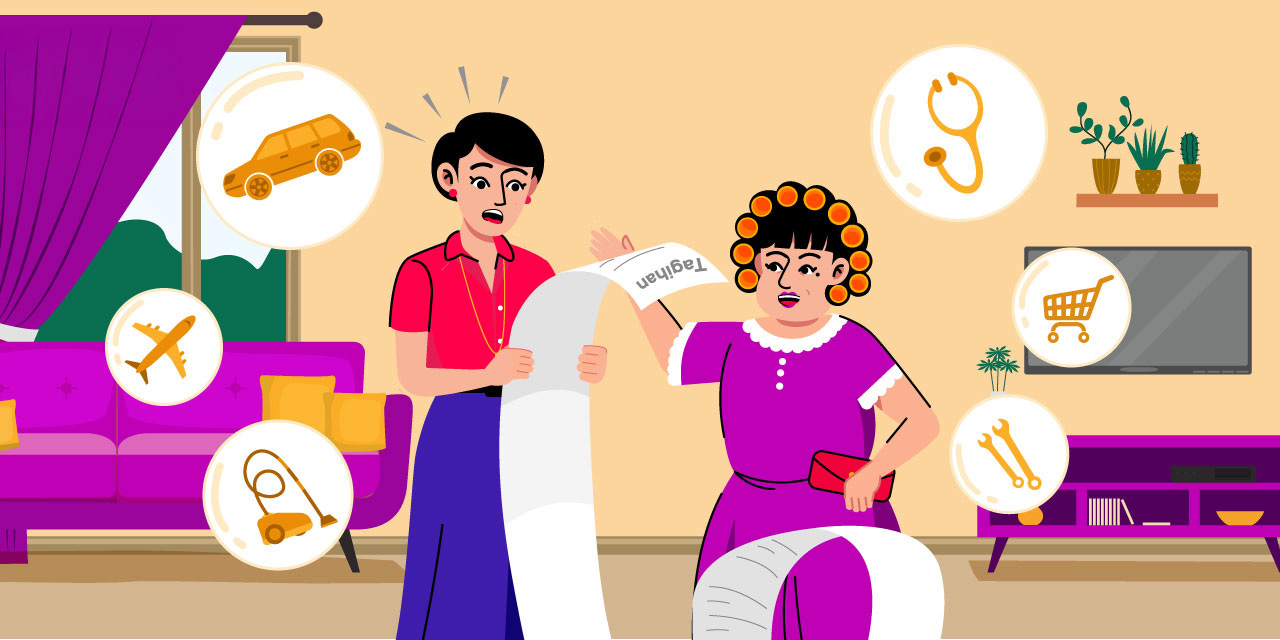

There are many factors that cause you and your partner to live with the in-laws after marriage. Whatever the reason, living with your in-laws can be a good opportunity to get to know each other better. But, make sure you are also prepared for some big expenses.
Big Expenses That May Incur When Living With In-Laws After Marriage
The increase in the number of family members under one roof automatically increases consumption and creates new responsibilities. These expenditures are often overlooked due to the factor of 'feeling uncomfortable' or a lack of initial planning.
1. Expenses that only come once but require large costs
Are you moving to live with your in-laws or are your in-laws moving to live with you? Either way, there are moving costs that must be paid.
Another expense that only comes up once is the cost of remodeling your house, especially if your in-laws move into your house. However, this depends on the health of the in-laws. Remodeling may be necessary so that the in-laws can live comfortably.
For example, all the bedrooms are on the 2nd floor, while your in-laws have difficulty walking or climbing stairs because their legs hurt. When your in-laws move into your house, there must be a bedroom on the ground floor.
2. The cost of bills becomes bigger
The more people who live in one house, the greater the bills that have to be paid. However, this depends on whether the in-laws will pay the bill themselves or not.
You may also feel uncomfortable as a daughter-in-law or son-in-law if you ask your in-laws to pay the bills. Therefore, prepare a larger budget to pay monthly bills such as electricity and water.
With the increase in family members, the consumption of electricity, water, and internet will drastically rise.
-
Electricity and Water: More frequent use of AC (air conditioning), washing machines, and increased bathing/cooking.
-
Internet: If the in-laws require a stable connection for their activities, an upgrade to the package may be necessary.
3. The cost of daily necessities also becomes greater
You can probably discuss costs for daily needs first with your partner and in-laws, whether you and your partner will cover everything or your in-laws will cover it yourself, just like when they didn’t live with you.
But if you and your partner are responsible for it, be prepared to increase your budget for daily food and household needs such as soap and toilet paper. Likewise, when you take your in-laws to the mall, for example, and decide to eat at a restaurant. Where previously you spent money on yourself with your partner and/or children, now you also have to spend money on your in-laws.
Tips for Managing Finances When Living with Your In-laws
With your in-laws living with you and your partner, you have to review the budget you have made. Of the big expenses above, which ones will you have to prepare the budget for? You and your partner have to re-plan your finances. For example, expenses for other needs can be reduced so that you can move the budget to these new expenses.
With Jago, you can more easily rearrange your budget and separate it according to your needs into different accounts.
1. Lots of needs, lots of budget separation: create Saving Pockets or Spending Pockets
With increasing needs that must be met, to make it easier to manage finances, budgets can be separated.
In the Jago application, you can create many Pockets, which is the same as having many accounts. Create Saving Pockets or Spending Pockets. Later, the Pocket function can be changed. A Saving Pocket can become a Spending Pocket, and vice versa.
Separate the budgets for unexpected big expenses when living with your in-laws into different Pockets. Likewise, you can create individual Pockets for all other expenses. Start saving or set aside money into the Pockets that have been created.
2. Manage household expenses together in the Shared Pocket
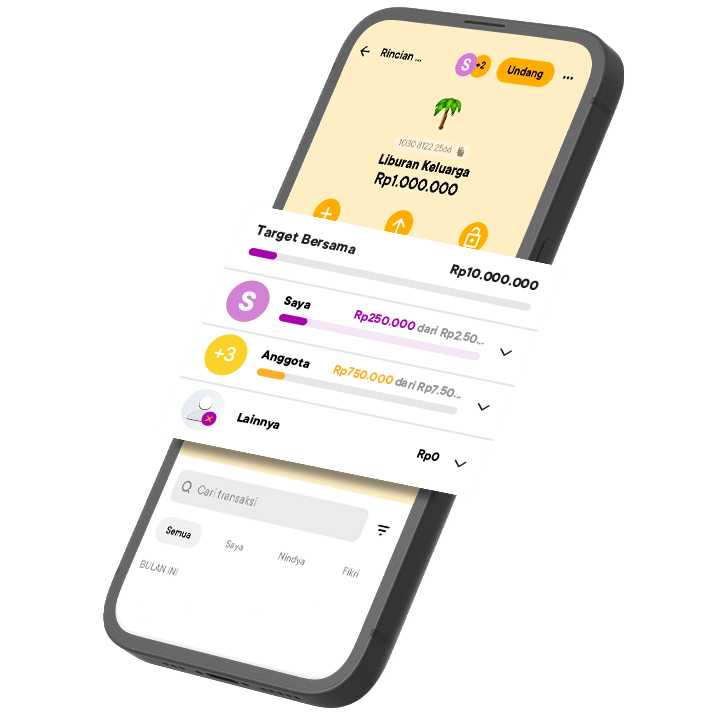
If you want, you can also invite your partner to manage expenses together. Managing finances together can make everything easier, besides of course strengthening communication and transparency in the household.
What if it turns out your in-laws want to contribute? Invite them to join the Shared Pocket by first creating a Jago account that doesn't take long to register.
You can invite anyone who is already a Jago user to join the Shared Pocket and all members who have joined can see the transaction history. In this way, transparency is maintained.
3. Know the details of monthly expenses through the Spend Analysis feature
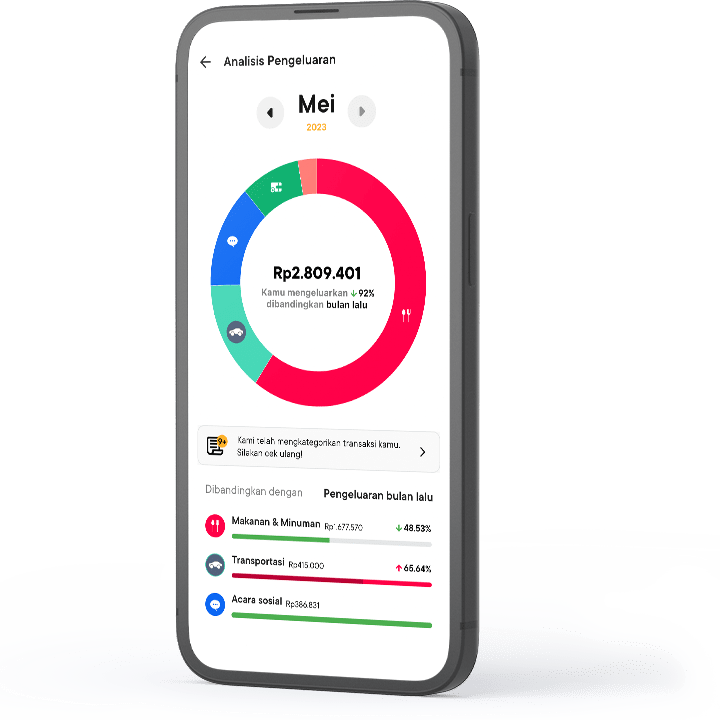
It is important to monitor monthly expenses, including household expenses. Through the Spend Analysis feature in the Jago application, you don't need to bother recording every expense.
Complete transactions online or make payments using Jago debit cards and QRIS Jago with funds originating from the Jago Pocket. This way, all transactions are recorded automatically and can be categorized the way you want. Next, all you have to do is go to the Spend Analysis feature and see the details.
Living at home with your in-laws, at first, you may not be used to increasing expenses and managing your finances. However, managing your finances using Jago the way you want can make everything easier.
Example of Budget Separation Allocation Using the Jago Pockets
To achieve transparency and separate personal expenses from large family expenses, couples can divide their monthly budget into the following Pockets:
| Pocket Name | Type of Expense | Funding Source/Contribution |
| Shared Pocket: Household Bills | Fixed expenses shared: Electricity, Water, Internet, Neighborhood/Community Fees (Iuran RT). | Shared contribution (Husband, Wife, and In-laws, if contributing). |
| Shared Pocket: Grocery Shopping | Monthly/weekly shopping for food ingredients and essential kitchen needs. | Shared contribution (Husband and Wife, as this is the largest portion of daily needs). |
| Saving Pocket: Large Family Emergency Fund | Special fund for in-laws' health expenses, sudden home repairs, or family emergency needs. | Mandatory monthly top-up by Husband & Wife, according to the agreed target. |
| Spending Pocket: Family Social Expenses | Budget for dining out, weekend getaways with in-laws, or gifts for family celebrations. | Monthly top-up by Husband & Wife (outside of personal budget). |
| Saving/Spending Pocket: Husband's Personal Fund | Husband's personal needs and spending. | 100% Husband's Salary. |
| Saving/Spending Pocket: Wife's Personal Fund | Wife's personal needs and spending. | 100% Wife's Salary. |
FAQ Regarding Expenses When Living With In-Laws
1. How do I initiate a conversation about money with my in-laws without offending them?
Start with a joint family financial planning approach. Focus on clarity and transparency, not on who is paying. Use polite and professional language, emphasizing that this is a step to organize the finances for everyone involved.
2. Do I still need an emergency fund if I live with my in-laws?
Yes, it is still very necessary. An emergency fund is not only for personal needs but also to help if an unexpected situation occurs with the in-laws (for example, sudden health expenses) or major damage to the shared home.
3. What expenses are most often overlooked when planning a budget with in-laws?
The most often overlooked expenses are Social/Family Recreation Costs (dining out or large family traveling) and Upgrade/Renovation Costs (adjustments to the house for the in-laws' comfort).