



Imagine your phone ringing in the middle of a busy day. An unfamiliar number appears on the screen, and when you answer, a voice on the other end claims to be a bank representative. In a serious tone, they inform you that a suspicious transaction worth millions of rupiah has just occurred on your account.
Scenarios like this are becoming increasingly common and often cause immediate panic. If you’ve heard of or experienced a similar situation, you should know that this is a tactic known as vishing (voice phishing), a fraud scheme currently being carried out by scammers.
What is Vishing and Why Does It Happen?
Vishing (Voice Phishing) is a type of scam conducted via phone calls, where perpetrators impersonate trusted institutions, such as banks, financial institutions, or authorities, to steal sensitive information like debit/credit card numbers, PINs, OTP codes, and mobile banking passwords.
Why is vishing becoming more prevalent?
- Psychological Manipulation (Social Engineering): Unlike SMS or emails that can easily be ignored, a human voice over the phone creates immediate emotional and visual pressure.
- Caller ID Spoofing Technology: Scammers can now fake the phone number that appears on your screen so it closely resembles an official bank call center number.
- Public Data Leaks: Perpetrators often already possess some of your personal data (such as your full name or date of birth) to build trust at the start of the conversation.
Why Vishing Claims Many Victims: Scammers Don't Ask You to Transfer, They Make You Panic
Many people assume phone scams always involve direct instructions like: "Please transfer money to this account right now."
However, modern vishing tactics are much more subtle. Scammers no longer ask you to transfer money in a hurry; instead, they make you panic in a hurry.
When you panic, your logical brain shuts down and critical thinking switches to survival mode. That's precisely when scammers step in to offer a "solution" that is actually a trap.
Example of a common vishing script
Scammer:"Good afternoon, Sir/Madam. We are calling from the Bank Security Team. Our system detected a transaction of Rp15,000,000 on your account 2 minutes ago. Did you make this transaction?"
Victim:"What? No, never! I'm at the office right now."
Scammer:"Understood. Please remain calm. Our system will automatically block this in the next 3 minutes to prevent your money from being lost. We have sent a cancellation code via SMS; please read out those 6 digits right now so we can stop the transaction!"
Notice the pattern:
- Creating a Threat: Claiming there is a suspicious transaction or an account freeze.
- Setting a Time Limit: Imposing a tight deadline (e.g., "within 3 minutes" or "before the system locks").
- Offering a Fake Solution: Asking for an OTP code, PIN, or confirmation link under the guise of "helping you cancel it."
How to Avoid Phone Scams Impersonating Bank Jago
1. If a phone call makes you panic, that's your cue to pause
The golden rule when receiving a suspicious call: The more rushed the tone of the call is, the higher the likelihood that it is a scam.
Remember, taking a 10-second pause to take a deep breath can save your entire savings.
2. Bank Jago never demands decisions within minutes
Official banks have structured security procedures in place. The bank will never pressure you into making financial decisions or sharing personal data hastily over a phone call.
If suspicious activity is actually detected on your account, the bank will temporarily block the system automatically from headquarters, without ever asking for an OTP code or PIN from you.
3. Hang up and contact official channels
Never trust the caller ID on incoming calls, even if it looks identical to an official bank call center number.
- Hang Up: Don't hesitate to disconnect the call immediately if you start feeling pressured.
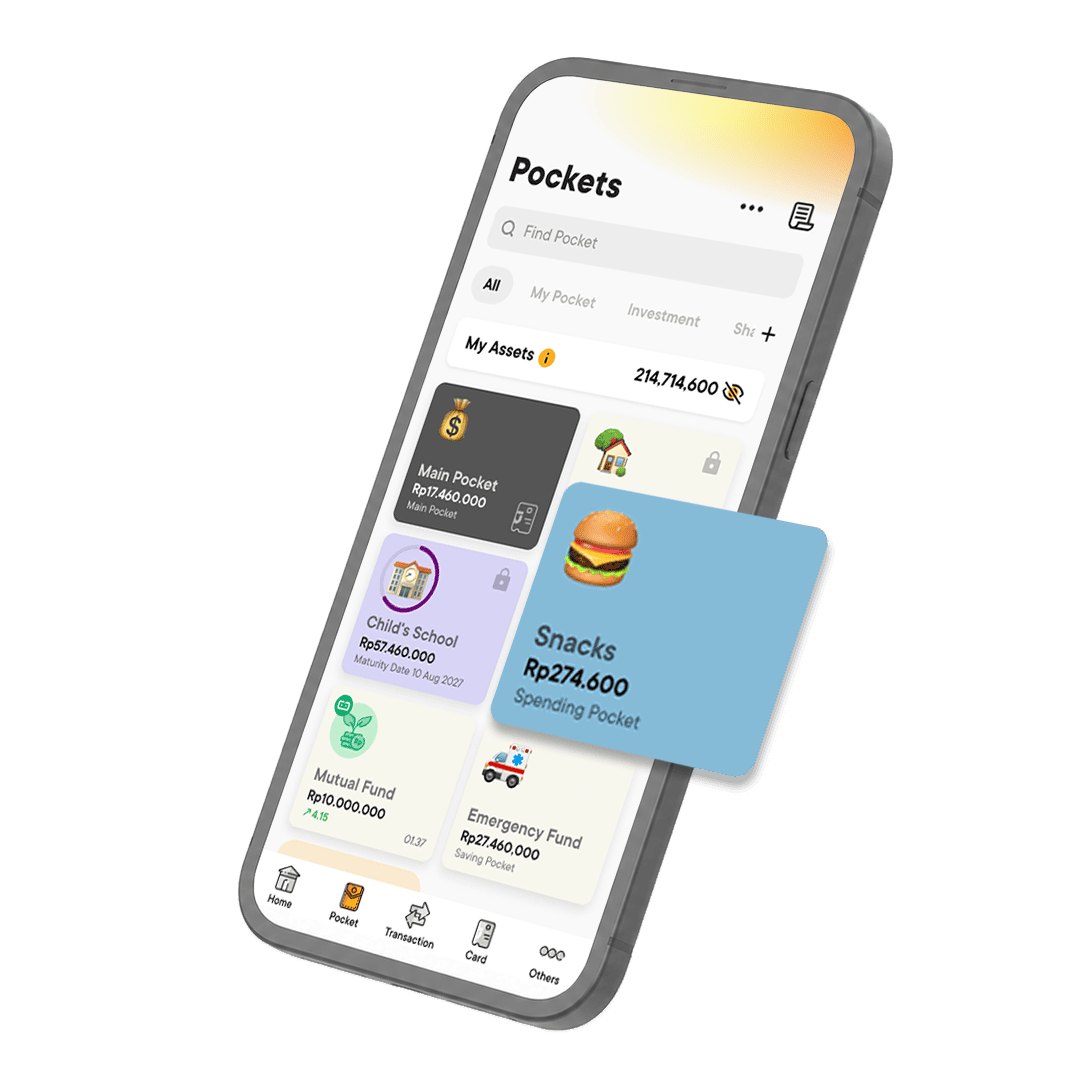
- Self-Verification: Open your Jago application to check your balance or transaction history directly.
- Contact Official Channels: Make an outbound call to Bank Jago’s official call center number to verify the information and report anything suspicious.
FAQ About Vishing Scams
1. What is the difference between phishing, smishing, and vishing?
Phishing is a general term for data scams conducted via the internet or email. Smishing uses SMS or text messages, while Vishing specifically uses voice phone calls.
2. Is it okay to ignore or hang up on calls claiming to be from the bank?
Yes, absolutely, and it is highly recommended if you feel doubtful. Bank Jago provides customer service channels where you can reach out anytime without urgent time constraints.
3. What data should never be shared over the phone with anyone?
OTP codes, ATM/Mobile Banking PINs, Passwords, CVV/CVC codes (the 3 digits on the back of your card), and card expiration dates. The bank will never ask for this sensitive data.
4. What should I do if I’ve accidentally given an OTP code or PIN to a scammer?
Immediately open your Jago application to change your password/PIN, block your card in the application, and contact the official bank call center right away for further security measures.