

Many say that running is the cheapest sport. All you need is to put on your shoes, step out the door, and run. But for those of you starting to chase a Personal Best (PB), traveling for races across cities or even abroad, or simply wanting to stay fit without the drama of injuries, you know that running is an investment.
Running is indeed cheap, unless you’re chasing performance. That’s where the art lies. Managing a budget for your running hobby is a lot like pacing a marathon: if you’re too aggressive at the start without a plan, you’ll end up financially "burnt out" halfway through.
Why Investing in Your Hobby and Performance is Mandatory (Not Optional)
Many hobbyist runners are stingy when it comes to body maintenance but generous when it comes to race registrations. In reality, marathon running is about long-term consistency. If you run without investing in your body, you’re essentially "saving up" for an injury.
- Sports Massage & Recovery: Muscles that are constantly used will get stiff. If ignored, mobility decreases and injury risk increases. Routine sports massage is like an oil change for your body. Expensive? Maybe. But it’s much cheaper than physiotherapy once you’re hit with ITB Syndrome or Plantar Fasciitis.
- Technical Nutrition (Fueling): Going on a Long Run (LR) without enough energy gels is like forcing a car to drive when the fuel indicator is blinking. You need fuel to keep your brain and muscles in sync with your coach's targets.
- Intake & Supplements: After running dozens of kilometers, your muscles experience micro-trauma. Faster recovery amidst a busy work schedule requires high protein intake and supplements (like magnesium) so you stay fresh for the office the next morning.
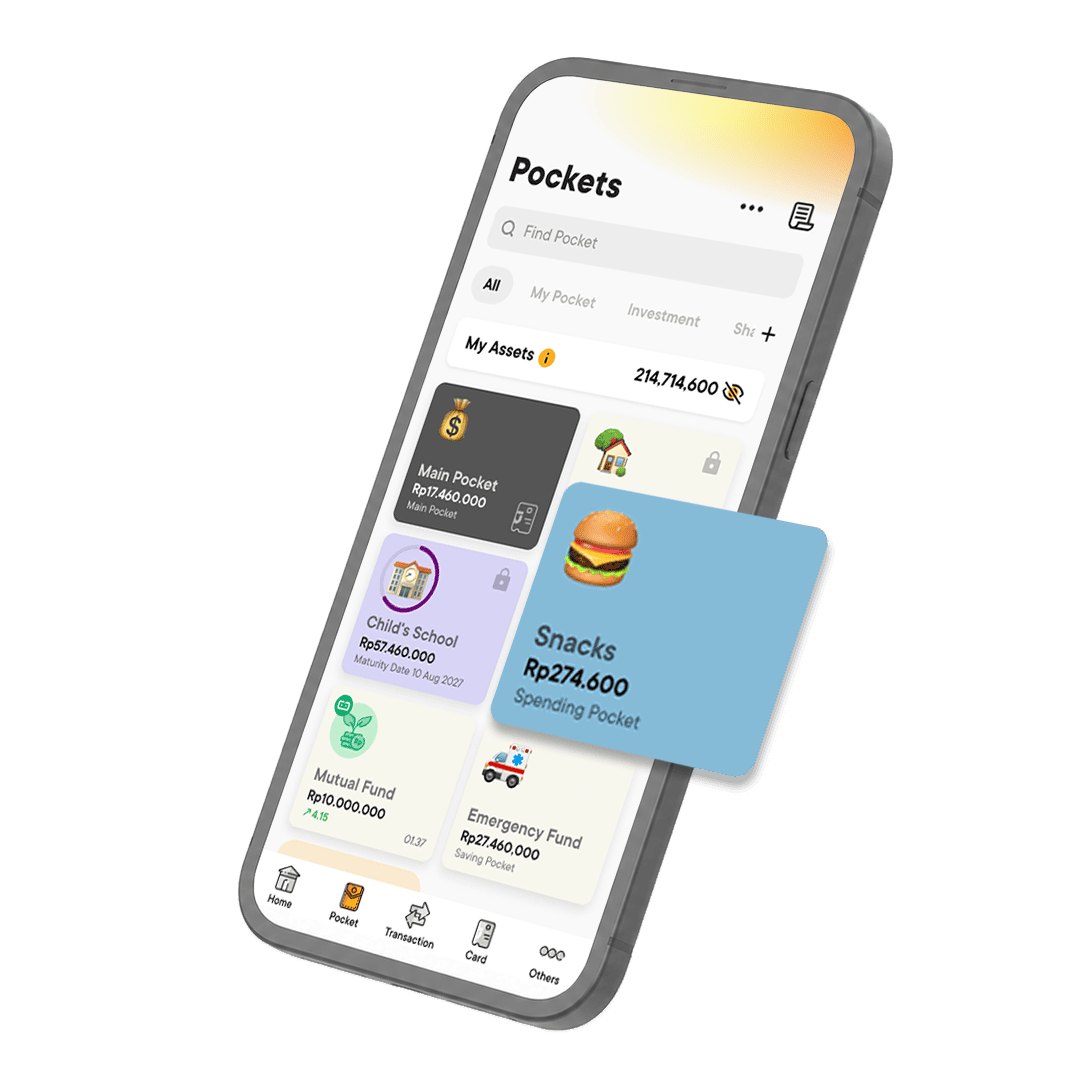
The Art of Allocating Your Running Budget with the Jago/Jago Syariah Pockets to Keep Your Budget Steady
To prevent hobby expenses from becoming a sudden shock to your finances, you can use a budget allocation system. Let’s break down the details along with the estimated costs:
1. Performance Pocket
This is your monthly operational cost to keep your body in top shape and prevent "breakdowns" before race day.
- Includes: Sports massage (1x a month), energy gels (for 4-5x LR), protein supplements/multivitamins, and gym/strength training fees.
- Estimated Cost: Rp1,200,000 – Rp2,000,000/month.
2. Gear Upgrade Pocket
Remember, running shoes have a limited "lifespan" (usually 500–800 km). Don't wait until the soles are bald to start looking for money.
- Includes: Savings for new shoes (Daily Trainers & Race Shoes) and technical apparel to prevent chafing.
- Estimated Cost: Set aside Rp700,000 – Rp1,000,000/month. (Pro tip: use the "pay per KM" method—for every 1 KM you run, save Rp5,000).
3. Race Day Pocket
This is the essential budget for competitions. Out-of-town races are a "package deal," it's not just about the registration slot.
- Includes: Registration fee, flight tickets, hotel (min. 2 nights), and Carbo Loading costs.
- Estimated Cost: Rp3,500,000 – Rp5,500,000/event (for domestic major races).
4. Next Finish Pocket
This is your reserve fund to ensure your hobby remains sustainable for years without touching your grocery money or future savings.
- Includes: Registration funds for next year’s targets or specialist doctor consultation fees for sudden complaints.
- Goal: So when a sudden community race invite pops up, you don’t have to break into your main savings.
Be Jago on the Track, and Jago at Managing the Money that Supports Your Hobby: It’s All Possible with the Pockets in the Jago Application
A marathon isn’t just a contest of stamina; it’s a strategy of maintaining the "engine" (your body) and the "fuel" (your finances). Granted, the estimates above seem significant. But compare them to the cost of injury recovery.
A single physiotherapy session can cost Rp600,000 - Rp1,000,000, and you usually need at least 10 sessions plus MRI costs totaling millions. So, which do you choose: routine investment in your Performance Pocket, or a "forced donation" to the hospital because you neglected recovery?
There is an art to managing hobby money. And that art is ensuring you can keep running into your old age with healthy legs and a strong wallet.
FAQ About Managing Your Running Budget with the Jago/Jago Syariah Pockets
1. Why is it better to use the Jago/Jago Syariah Pockets compared to a regular bank account?
Because you can separate your running budget without opening multiple accounts. In one Jago application, you can create four different Pockets (Performance, Gear, Race, Next Finish) with unique names and visuals, ensuring your hobby funds aren't "stolen" by daily meal expenses or electricity bills.
2. How do I set up automatic savings for the Gear Upgrade Pocket?
You can use the Auto-Budgeting feature. For example, if you aim to buy shoes worth Rp2.4 million in 6 months, the Jago application will automatically move Rp400,000 every month into that Pocket. When your old shoes "retire," the money is ready!
You can automate balance transfers to any Spending or Saving Pocket of your choice.
3. Can the Jago/Jago Syariah Pockets be used to split costs for a Race Day with my community?
Absolutely! You can use the Shared Pocket feature. If you and your friends plan to race in Bali, create one Shared Pocket to chip in for the hotel and transport. All spending is transparent, so there’s no need for messy manual transfers.
4. If I get a bonus or unexpected windfall, which Pocket should I fill first?
Prioritize the Performance Pocket. Remember, expensive shoes can be bought later, but muscle recovery and nutrition are investments that cannot be delayed if you want to keep running injury-free.