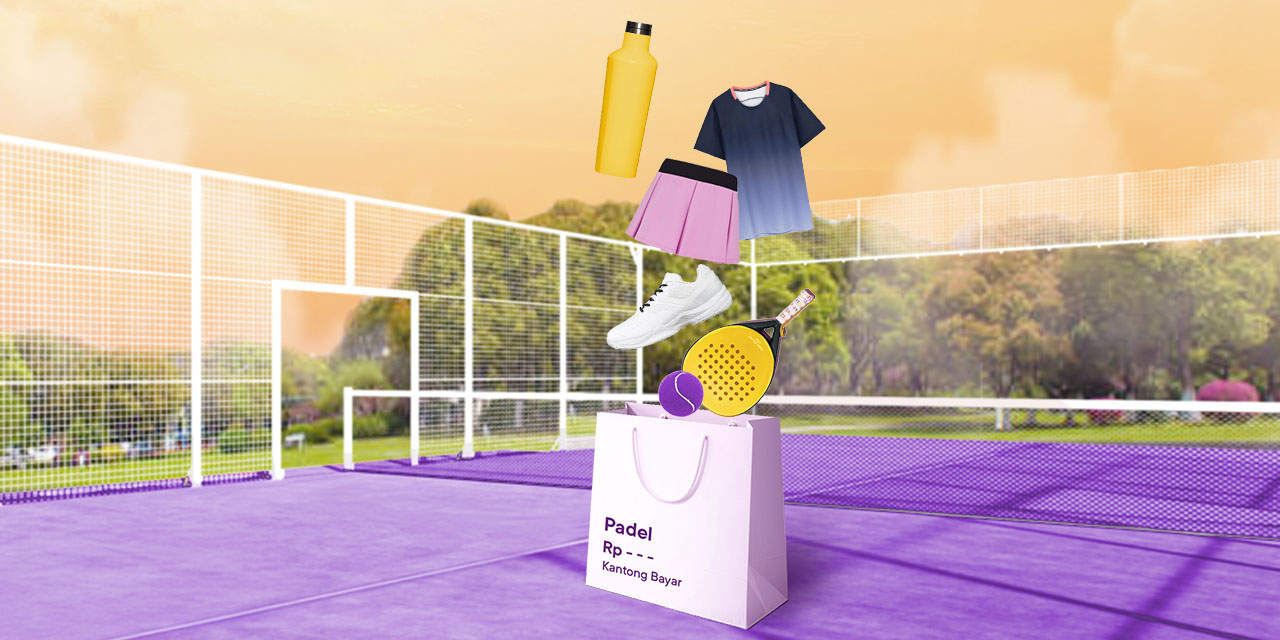

In recent times, padel has become a hot topic among sports enthusiasts. This racket sport, a combination of tennis and squash, is gaining popularity because it's considered more accessible and suitable for various skill levels. With a smaller court, walls that rebound the ball, and stringless rackets, padel offers a unique and exciting playing experience.
Padel's popularity isn't just limited to other countries; it's also making its way into Indonesia. Many padel communities are emerging, new courts are being built, and padel events are starting to draw crowds. It's no wonder this sport is becoming an attractive option for staying fit while also socializing.
Why Is a Dedicated Budget for Padel Sports Important?
Just like any other hobby or sport, pursuing padel definitely requires a financial allocation. While it might seem straightforward, there are several expenses you need to factor in to keep your padel hobby going smoothly without disrupting your main finances.
Cost breakdown for taking up padel
Here is a detailed breakdown of the costs you should allocate to ensure you can play comfortably:
1. Padel court rental fees
This is your primary recurring expense. Padel court rental is usually charged per session (typically 60 or 90 minutes).
-
Estimation: Costs vary depending on the location and timing (Peak Hours vs. Off-Peak).
-
Pro-Tip: You can find more competitive rental prices by inviting friends to split the bill. Since padel is usually played with 4 people per court, the cost per person becomes much more affordable.
2. Padel racket rental and gear
As a beginner, you don't need to buy expensive equipment right away. Most clubs provide on-site padel racket rental services.
-
Rent vs. Buy: Using a padel racket rental service is highly recommended during your first few months to test different types of rackets. However, as you play more frequently, owning your gear (racket, specialized shoes, and apparel) is more economical in the long run and improves playing comfort.
3. Training or coaching clinics
To sharpen your skills quickly, you might want to join a class or take private lessons.
-
Additional Costs: Hiring a professional coach requires an extra budget on top of the court rental fee. However, this is a vital investment to prevent injuries caused by incorrect techniques.
4. Tournament registration fees
Once you get serious, you’ll likely want to test your skills in local tournaments or community events.
-
Competition: Participating in events usually involves a registration fee, which often covers facilities like drinking water, jerseys, or prizes for the winners.
5. Equipment maintenance
Even though padel rackets don't use strings like tennis rackets, they still require upkeep. You will need to replace the overgrip regularly to keep the handle comfortable and non-slip, and replace padel balls once they lose their pressure (bounce) after several matches.
Estimated padel expense table
| Expense Category | Type of Cost | Estimated Per Session/Item |
| Primary | Padel Court Rental | Rp200,000 - Rp600,000 (Split by 4) |
| Optional (Beginner) | Padel Racket Rental | Rp50,000 - Rp100,000/racket |
| Equipment | Own Racket & Shoes | Rp1,500,000 - Rp5,000,000 (One-time) |
| Skill Up | Coaching Fee | Rp300,000 - Rp700,000/hour |
Without a dedicated budget, these expenses can quickly spiral out of control and eat into other important financial categories, such as essential needs, loan payments, or savings.
How to Manage and Separate Your Padel Sports Budget Using Jago/Jago Syariah Pockets
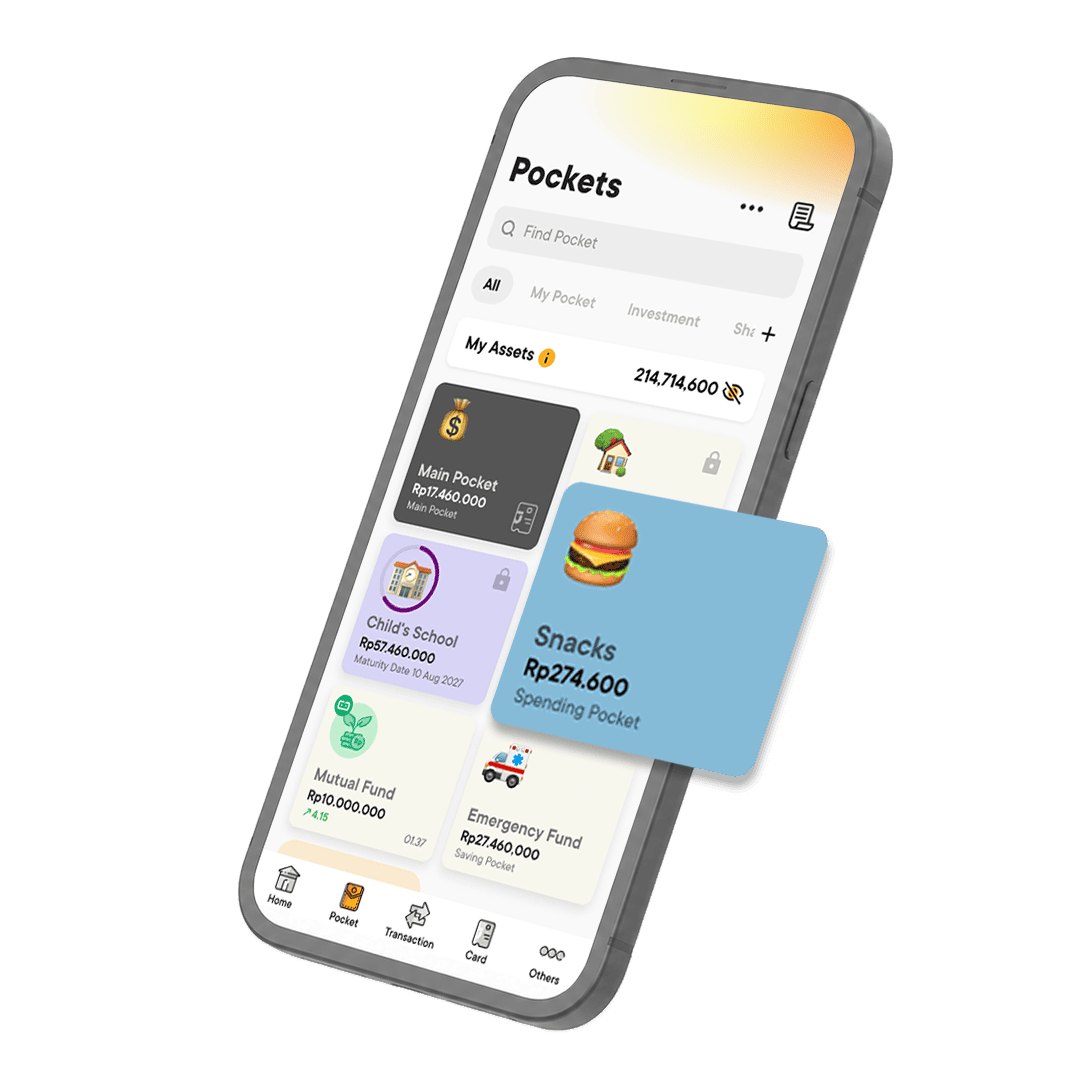
Jago or Jago Syariah Pockets are a feature designed to help you manage your finances the way you want, and according to your principles – including for your padel hobby.
By creating a dedicated Pocket specifically for padel, you can more easily budget for this sport and track its expenses without them getting mixed up with other spending.
How to set up funds for padel in the Jago application
- Make sure you have a Jago account/Jago Syariah account first. If you don't have one, you can complete the account registration anytime, anywhere.
- Once you're set up, open the Jago application and select the "Pockets" menu to create a new Pocket.
- Choose the type of Pocket you need. Since padel is an activity with recurring expenses, it's best to create a Spending Pocket. This way, all your padel-related transactions will be debited directly from here. For larger equipment purchases that require you to save up, you can create a Saving Pocket.
- Name every created Pocket with something clear, like "Padel Fun" or "Routine Padel Funds."
- Estimate your monthly padel expenses. For example: court rental twice a week x Rp150,000, plus an allocation of Rp50,000 for balls/grips. This brings your total monthly padel expenditure to Rp1,250,000.
- Put this amount as your monthly target in your Padel Pocket.
Automate fund transfers to your Padel Pocket using the Jago application's automatic budgeting feature. This handy feature makes it easy to set up automatic transfers of a specific amount from your Main Pocket or other funding sources to your Padel Pocket at the time you choose. This way, you won't have to bother with manual transfers, and you'll build consistent saving discipline.
Use QRIS or Jago/Jago Syariah Debit Card for Every Padel Transaction or Payment

Whenever you rent a court, buy balls, or purchase padel gear, simply use QRIS or your Jago/Jago Syariah Debit Card. Transactions will be instantly recorded and deducted from your Padel Pocket balance. This is incredibly helpful for tracking your spending in real-time.
Link your Padel Pocket to your Jago/Jago Syariah Debit Card when you're about to make a payment. For QRIS transactions, you can select your Padel Pocket as the funding source before confirming your payment.
Don't Forget to Periodically Monitor and Evaluate Your Padel Expenses
Regularly check the spending summary in your Padel Pocket. See if you've exceeded your budget or if there's still money left over.
If there are any unexpected expenses, you can adjust your allocation for the following month. If you have a surplus, you can set it aside for savings towards a new racket or your dream shoes.
By implementing this strategy, you can enjoy the thrill of playing padel without worrying about an empty wallet. Your padel habit stays on track, and your finances remain secure!