
The moment of anticipating a baby's birth is a mix of boundless joy and a little bit of worry. For husbands, keeping their wives calm is a top priority, and one of the best ways to do that is by making sure financial preparations for childbirth are well-planned.
Saving for delivery expenses and all the baby's upcoming needs isn't just about collecting money. It's a husband's act of love and responsibility to provide the best for his small family. Every rupiah set aside holds deep meaning: the wife's comfort during childbirth, the baby's health, and a brighter future for the family. This is where the Jago/Jago Syariah Pockets can be a solution that helps every rupiah you save feel more meaningful.
Understanding the Jago/Jago Syariah Pockets: Modern Envelope Method for Family Finances
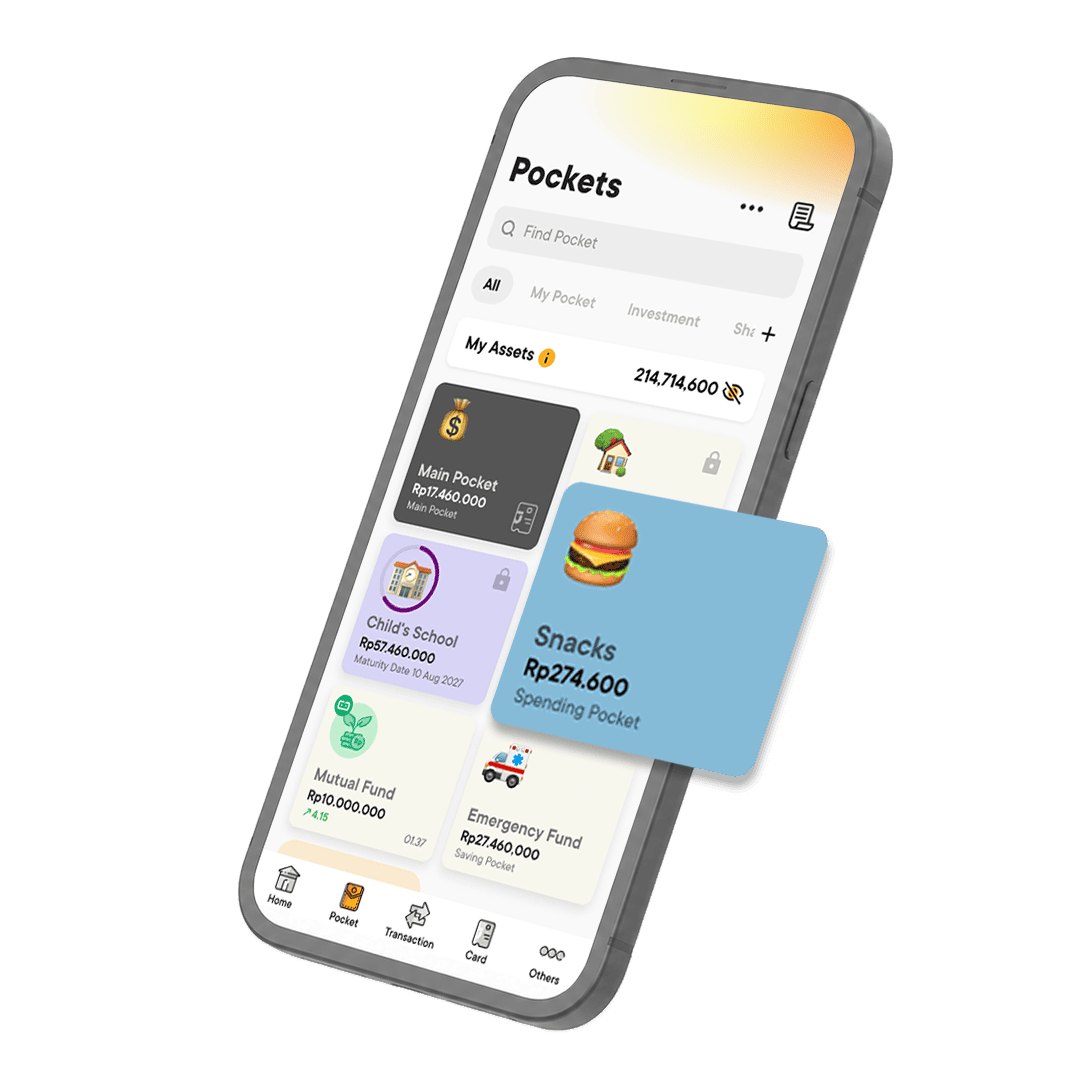
The Jago Pocket concept adopts the traditional envelope budgeting method. If you used to need many physical envelopes to separate cash based on spending categories (for example, one envelope for delivery costs, one for baby gear, etc.), now it can all be done digitally within the Jago application.
You can create various Pockets for each spending category. This keeps every financial goal clearly separated, so money doesn't get mixed up, and you can see your savings progress in real-time.
How Husbands Can Save Using the Jago/Jago Syariah Pockets to Stay Calm Before and During Wives Giving Birth
The Jago/Jago Syariah Pockets offer flexibility in managing finances, both personally and with your spouse.
1. Personal Pockets: Focus on individual needs
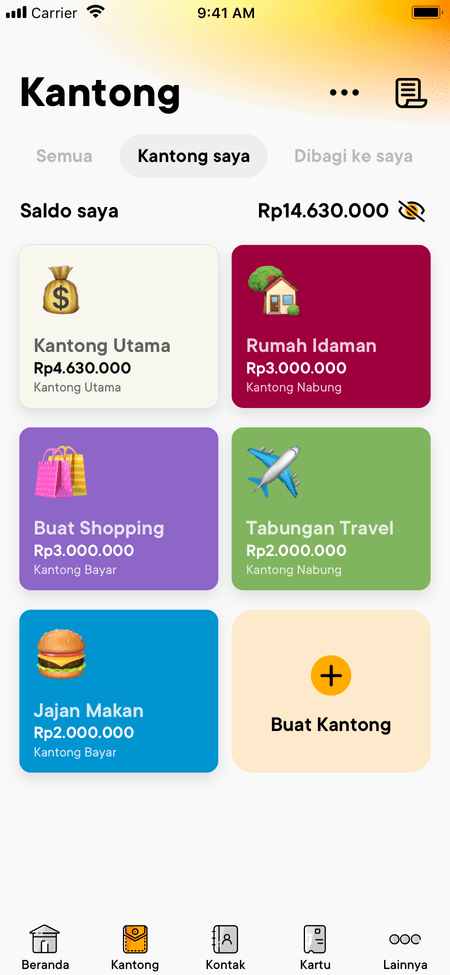
As a husband, you can create personal Pockets like Spending Pockets and Saving Pockets for expenses that are your responsibility, such as:
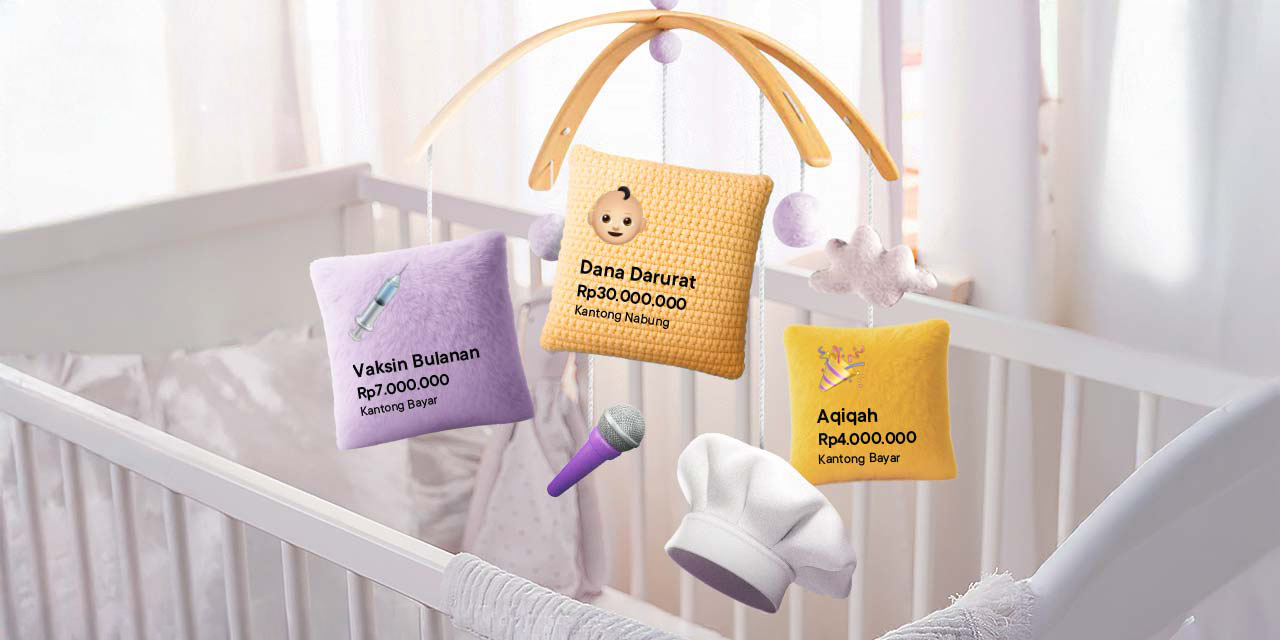
- Delivery Cost Pocket: Allocate specific funds for hospital fees, doctor visits, and medications.
- Baby Gear Pocket: Funds for diapers, baby clothes, strollers, and other essential needs.
- Delivery Emergency Fund Pocket: Prepare unexpected funds for complications or sudden needs.
- Post-Childbirth Wife's Needs Pocket: For example, for postnatal massages, extra nutrition, or other personal needs for your wife.
How does it work?
- Easy Pocket creation: Create new Pockets in seconds within the Jago application.
- Set up automatic transfers: Move money from your Main Pocket or your funding source Pocket to your target Pockets at a predetermined time.
2. Shared Pockets: Financial collaboration with your wife
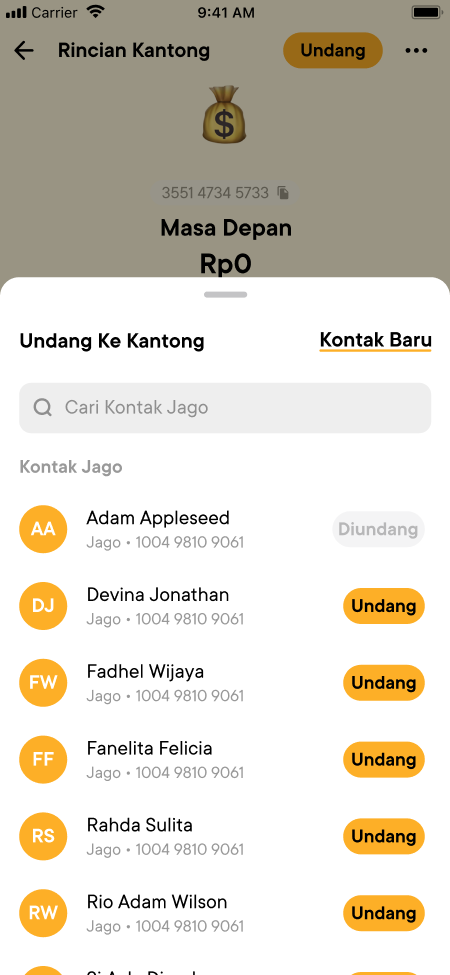
If there are needs you want to cover together, such as baby supplies, the Shared Pocket is the solution. Discuss with your wife which Pockets you'd like to make Shared Pockets. This allows you and your wife to:
- See shared progress: Both parties can monitor the balance and transactions in the Shared Pocket.
- Deposit funds together: Both husband and wife can deposit funds into this Pocket.
- Discuss priorities: Facilitates communication about the most important spending categories.
Steps to Create a Shared Pocket:
- Open the Jago application and select the "Pockets" menu.
- Choose "Create New Pocket" and personalize it according to your shared financial goals.
- Invite your wife to join so the Pocket becomes a Shared Pocket.
- Assign your wife's role for the Shared Pocket.
When Should Pockets Be Prepared and What Are Some Allocation Examples?
Ideally, you should start preparing these financial Pockets as soon as you find out about your wife's pregnancy. The sooner you start, the lighter your monthly saving burden will be, and the calmer you'll feel as the Estimated Due Date (HPL) approaches.
Here's an example of fund allocation and estimates you can prepare using the Jago/Jago Syariah Pockets:
1. Delivery Cost Pocket
- When to prepare: Immediately after the first trimester.
- Estimated allocation: This is the largest expense. For normal delivery in a private hospital in Jakarta, estimated delivery costs can range from Rp10 million to Rp25 million, depending on the class and facilities. For a C-section, it could be Rp20 million to Rp50 million or more. Allocate 50-60% of your total preparation funds here.
- Example: If your target is Rp20 million for delivery, and you have 9 months of pregnancy, you'll need to set aside about Rp2.2 million per month.
2. Baby Gear Pocket
- When to prepare: From the second trimester, so you can buy items in installments.
- Estimated allocation: For basic needs like baby clothes, diapers, bottles, carriers, car seats, strollers, and baby bathtubs, prepare Rp5 million - Rp15 million. This can be adjusted based on your needs and brand preferences.
- Example: If your target is Rp10 million, set aside about Rp1.25 million per month for 8 months.
3. Delivery and Post-Childbirth Emergency Fund Pocket
- When to prepare: From the beginning of pregnancy until just before the HPL.
- Estimated allocation: Set aside 10-20% of your total delivery funds as a contingency. This fund is crucial for unexpected situations like an emergency C-section, additional hospital fees, or urgent medical needs for the mother/baby.
- Example: If your total preparation is Rp30 million, prepare Rp3 million - Rp6 million for the emergency fund.
4. Post-Childbirth Wife's Needs Pocket
- When to prepare: Towards the end of the second trimester.
- Estimated allocation: Rp2 million - Rp5 million. This fund can be used for postnatal massages, special supplements and nutrition, a breast pump, or comfortable nursing clothes. Ensuring your wife's comfort is an important investment!
- Example: For a target of Rp3 million, set aside Rp500,000 per month for the last 6 months.
5. Monthly Baby Needs Pocket
- When to prepare: After delivery, but funds can start to accumulate closer to the HPL.
- Estimated allocation: For monthly needs like diapers, formula (if not exclusively breastfeeding), baby soap, essential oils, and vitamins, prepare Rp1 million - Rp2 million per month initially. This amount will continue to evolve as the baby grows.
- Example: Every month after payday, transfer funds directly into this Pocket.
Frequently Asked Questions About Finances and Preparing for Childbirth
1. When should you start saving for childbirth?
Ideally, as soon as you find out about the pregnancy. The sooner you start, the lighter the burden will feel.
2. What's the estimated cost of a normal delivery in Jakarta?
The estimated cost of childbirth varies greatly depending on the hospital and facilities. For a normal delivery, it can range from Rp10 million to tens of millions. Check a few chosen hospitals and compare them.
3. Is it important to prepare an emergency fund for childbirth?
Absolutely! Medical conditions can change unexpectedly. An emergency fund can cover unforeseen costs, such as an emergency C-section or postnatal care.
4. How can you overcome financial stress before childbirth?
Transparency with your spouse, creating a realistic budget, and using helpful tools like the Jago/Jago Syariah Pockets can significantly reduce stress.
Welcoming Your Baby with Financial Peace of Mind Alongside Your Wife
With effortless and mature financial planning using the Jago/Jago Syariah Pockets, husbands can feel calmer and more confident facing the day their child is born. Financial tension will lessen, allowing you to fully focus on supporting your wife during childbirth and welcoming your new family member with a smile.