
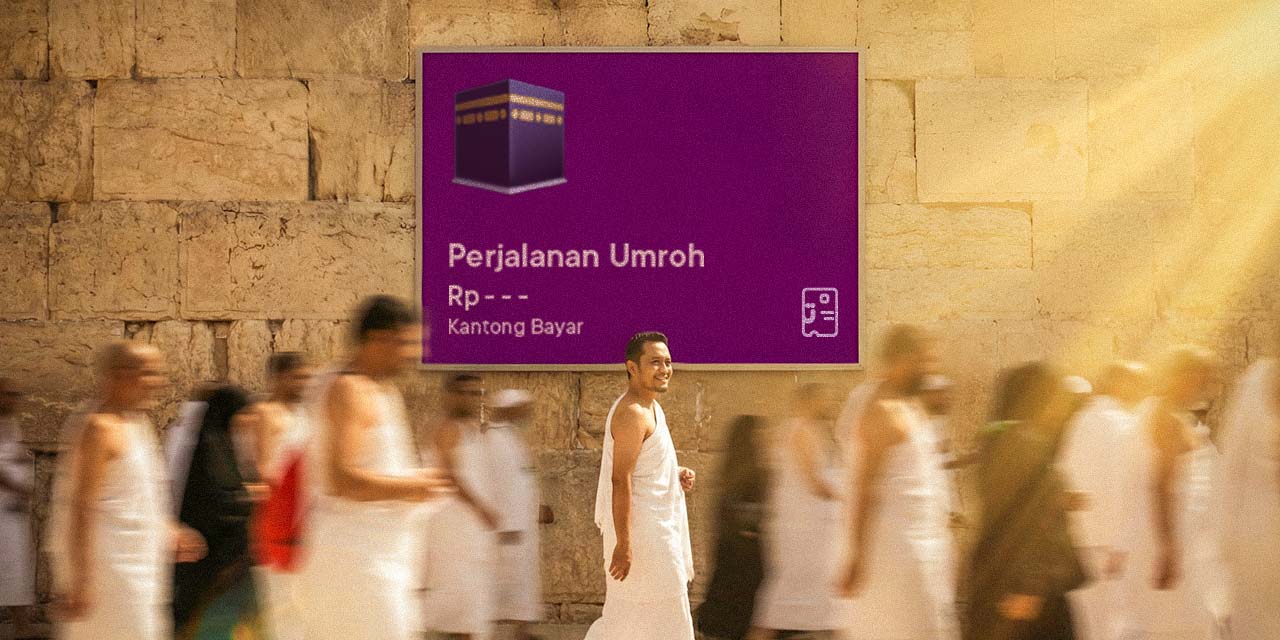

Performing a pilgrimage to the Holy Land is becoming increasingly flexible. While Jagomin previously discussed the practical way to perform self-planned or independent Umrah using a transit visa in just four days, this time Jagomin will explore another side of the spiritual journey: self-planned Umrah with a relaxed rhythm, or the "slow path."
Everyone has their own way of fulfilling their longing for the Baitullah. Some choose the fast track due to time constraints, while others long for a longer duration to truly "pause" from the hustle and bustle of the world.
This 12-day slow path itinerary is designed for those who want to savor every second in the Holy Land without rushing to catch a schedule. Here, the focus is not just on reaching the destination, but on enjoying every step of your prostration with full serenity—not just "dropping by" at the Grand Mosque and the Prophet's Mosque.
Why Choose Self-Planned or Independent Umrah with a 'Slow Path' Rhythm?
Choosing to do Umrah independently provides a sense of liberating peace:
- Control Over Time: You can choose to perform Tawaf when it’s quiet, rather than under the scorching sun.
- Cost Efficiency: You can pick hotels or transportation that fit your budget without additional agency fees.
- Spiritual Closeness: Without the pressure of a group schedule, you can spend more time in i'tikaf (seclusion) at the mosque.
Detailed Itinerary Example: A Relaxed, Self-Planned Umrah (12 Days)
Phase 1: Peace in Medina (Days 1–5)
This phase aims for acclimation and honoring Prophet Muhammad SAW peacefully.
- Day 1: Arrival & Rest. Arrive at Medina Airport (MED). Use an online taxi (Uber/Careem) to your hotel. Focus on total rest to ensure peak physical condition.
- Day 2: Nabawi Mosque Orientation. Familiarize yourself with the Gates closest to your hotel. Start performing your five daily prayers inside the mosque.
- Day 3: Raudhah & Internal Ziarah. Ensure you have booked your Raudhah slot on the Nusuk app well in advance. Enter the Raudhah calmly; spend your time in prayer without feeling rushed.
- Day 4: Quba Mosque & Mount Uhud. Use the shuttle bus or a taxi. At Quba Mosque, take the time to perform two rak'ahs of sunnah prayer (the reward is equivalent to one Umrah). Return to the hotel before Dhuhr to continue congregational prayers at Nabawi.
- Day 5: Miqat Preparation. Check out at midday. Perform the sunnah ihram bath at the hotel, then head to the Haramain High-Speed Railway (HHR) Station or take a taxi to take your miqat at Bir Ali.
Phase 2: Spiritual peak in Makkah (Days 1–10)
A phase to focus on Umrah rituals and closeness to the Kaaba.
- Day 6: Performing the First Umrah. After checking in at Makkah, rest for a moment. Start the Umrah procession (Tawaf, Sa'i, Tahallul) during quiet hours, such as 11:00 PM or 2:00 AM, to avoid crowds.
- Day 7: Recovery & Charity. Focus on the five daily prayers at Masjidil Haram. Use your free time to share Zamzam water or light snacks with fellow pilgrims.
- Day 8: Exploring Masjidil Haram. Try praying in different areas (upper floors or the courtyard) to gain a different, soulful perspective of the Kaaba.
- Day 9: Second Umrah (Optional). If you feel physically fit, take your miqat at Aisha Mosque (Tan’im) via local taxi. If tired, simply focus on Tawaf Sunnah.
- Day 10: Reflection at Jabal Nur. View from a distance or take a relaxed hike to Hira Cave (do this after Subuh to avoid the heat). In the afternoon, enjoy souvenir shopping at local markets around the mosque.
Phase 3: Farewell and departure (Days 11–12)
- Day 11: Tawaf Wada’. Perform the farewell Tawaf with deep reflection. Pray for the opportunity to return to the Baitullah.
- Day 12: Heading to Jeddah. Take the high-speed train to Jeddah. If time permits, visit the Floating Mosque or the Jeddah Corniche before heading to King Abdulaziz International Airport (JED).
For Every Good Intention, There’s a Pocket for It
Planning a self-planned independent Umrah requires neat financial independence. You must manage the costs of flight tickets, hotels, and meals yourself.
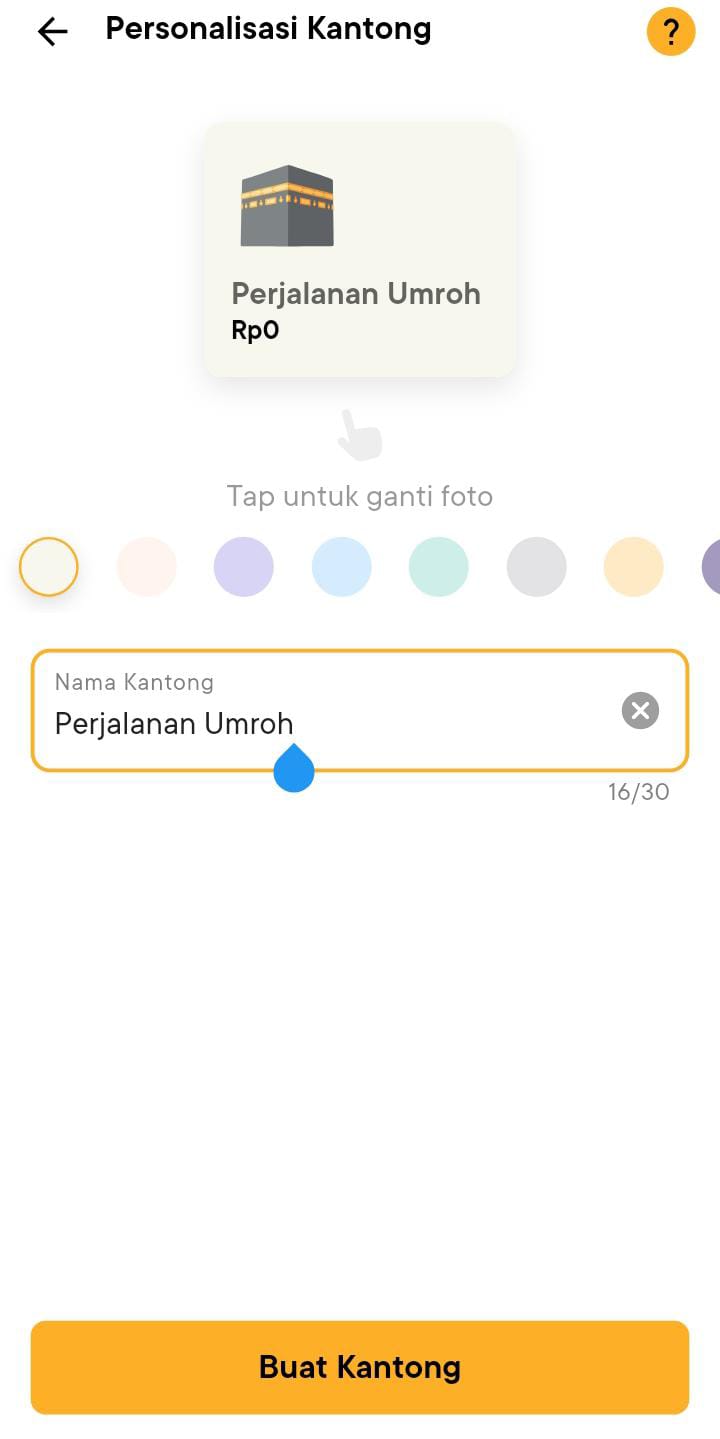
Don’t let your Umrah funds mix with your monthly shopping budget. Use the Umrah Preparation Pocket from Bank Jago/Jago Syariah to secure your sacred intention. Because for every good intention, there is a Pocket in the Jago application.
FAQ About Independent Umrah Tips
1. Are there any mandatory applications for self-planned Umrah?
You must download Nusuk (for Raudhah and Umrah permits). Additionally, you should prepare the application for purchasing Medina-Makkah high-speed train tickets.
2. What are the advantages of self-planned Umrah?
It offers flexibility. Moreover, costs can be lower because you can adjust the hotel and duration according to your budget. However, it requires more thorough research and preparation.
3. How do I manage my finances while in Saudi Arabia?
Use your Jago/Jago Syariah Debit Card with the Visa logo, linked to your Umrah Preparation Pocket. Ensure the international transaction feature is active for easy shopping in the Holy Land and withdrawing cash at local ATMs if needed.
4. When should I start saving for my Umrah in the Umrah Preparation Pocket?
As soon as the intention arises. With the Pocket feature, you don’t need a large sum of money to start setting aside funds. The Pocket feature helps separate your Umrah funds from various other needs.