


Preparing for marriage is not just about uniting two hearts, but also about aligning two sets of habits, including financial matters. In Islam, taaruf is a crucial phase for getting to know a potential spouse deeply without violating Sharia boundaries.
One topic often considered taboo yet actually vital is finance. Discussing money before marriage is not a sign of being materialistic; rather, it is an effort to build transparency and blessings from the very beginning.
Why Discussing Money During Taaruf Matters?
Financial unreadiness and differing principles in managing money are frequent triggers for household conflict. By discussing it during taaruf, you can:
- Avoid False Expectations: Understand the reality of each other's economic capabilities.
- Prevent Future Conflict: Know how spending priorities will be determined.
- Align Worship Values: Ensure wealth management remains in line with Sharia principles (Zakat, Sadaqah, and Nafaqah).
6 Essential Financial Questions During Taaruf
Do not hesitate to discuss things openly (while accompanied by a mahram or intermediary). Here is a list of key questions to dissect your potential partner’s financial vision:
1. Responsibility to extended family (Sandwich Generation)
"Do you currently have a routine obligation to financially assist your parents or siblings? How will the proportion be shared after we get married?"
This helps partners understand if there are funds already "locked" for family members, allowing lifestyle expectations to be adjusted accordingly.
2. Lifestyle vs. capability
"What is your view on self-reward or hobbies? Do you prefer a frugal lifestyle or are you more flexible with spending?"
The difference between a saver and a spender often triggers daily friction, making it a vital point to discuss during taaruf.
3. Debt status and past installments
"Are there any ongoing financial obligations, such as vehicle installments or other loans? What is the repayment plan so it won’t disrupt the household cash flow?"
Honesty regarding debt is crucial because, after marriage, that burden will indirectly affect the family’s finances.
4. Emergency fund management and risk mitigation
"What are your thoughts on emergency savings? If a risk occurs, such as job loss, what backup plan do you envision?"
This question aims to find out if your potential partner has a safety net or is the type to live "hand-to-mouth" without reserves.
5. Career vision and management of the wife's salary
"If the wife works, what is the agreement for managing her income? Will it remain entirely her absolute right, or will a portion be used for collective goals voluntarily?"
In Islam, a wife’s wealth is her own. However, many modern couples choose to pool a portion to achieve joint goals (like buying a house). This should be agreed upon early on.
6. Education and the children's future
"What kind of education do you envision for our children? Should we start setting aside an education fund early on?"
This is necessary because education costs are among the largest expenses in a household.
Tips for Discussing Finance Without the Awkwardness
To avoid making it feel like an interrogation, you can use an opening line such as:
"I believe transparency from the start is the key to blessings. Can we have a relaxed discussion about our respective views on managing our future financial trusts?"
Pre-Marriage Preparation: Saving Independently with Wadiah Akad
During the taaruf to khitbah phase, it is highly discouraged to have a joint account. Sharia-wise and legally, you do not yet have an official bond. The solution: use your respective Jago Syariah Pockets.
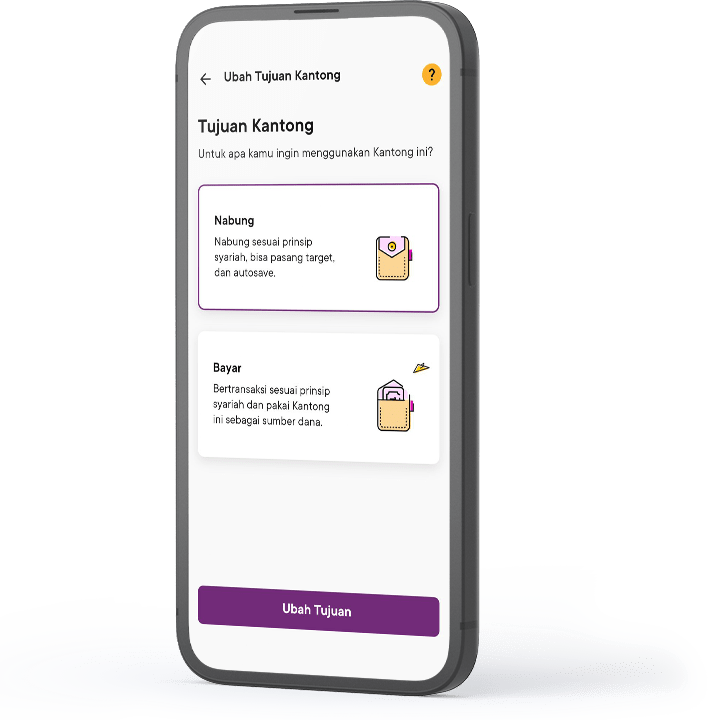
In Jago Syariah, you can create a dedicated Pocket for Mahar (dowry) or wedding costs. The akad used is Wadiah Yad Dhamanah.
What is Wadiah Yad Dhamanah akad?
It is a deposit akad where Jago Syariah is responsible for safeguarding the funds and guarantees that customers can withdraw them in full at any time. You can save peacefully without interest.
After Marriage: Practical Financial Management with the Jago Syariah Shared Pockets
Once the akad nikah is official, you and your spouse can start managing finances as one. For easy transparency, you can use the Shared Pocket feature from Jago Syariah.
Advantages of the Jago Syariah Shared Pockets:
- Full Transparency: Both husband and wife can see the balance and transaction history in real-time through their respective apps.
- Sharia Compliant: Just like personal Pockets, the Shared Pocket uses Wadiah Yad Dhamanah akad. Deposited money is safe, blessed, and managed according to Sharia.
- Organized Finances: You can separate Pockets for electricity bills, groceries, or even a Hajj fund, all within one account.
FAQ About Finance, Taaruf, and Marriage
1. Is it okay to ask about salary during taaruf?
Yes, as long as the purpose is for planning. Openness about income ranges helps greatly in measuring the readiness for Nafaqah.
2. Who has the right to control the finances after marriage?
In Islam, the husband is the leader and provider. However, technically, who is in charge of recording, paying bills, and managing money can be mutually agreed upon based on each other's expertise.
3. What is the difference between Wadiah and Mudharabah akad in Jago Syariah?
Wadiah is a deposit akad, perfect for daily spending or short-term savings. Mudharabah is a profit-sharing partnership akad, suitable for long-term savings or investment.