

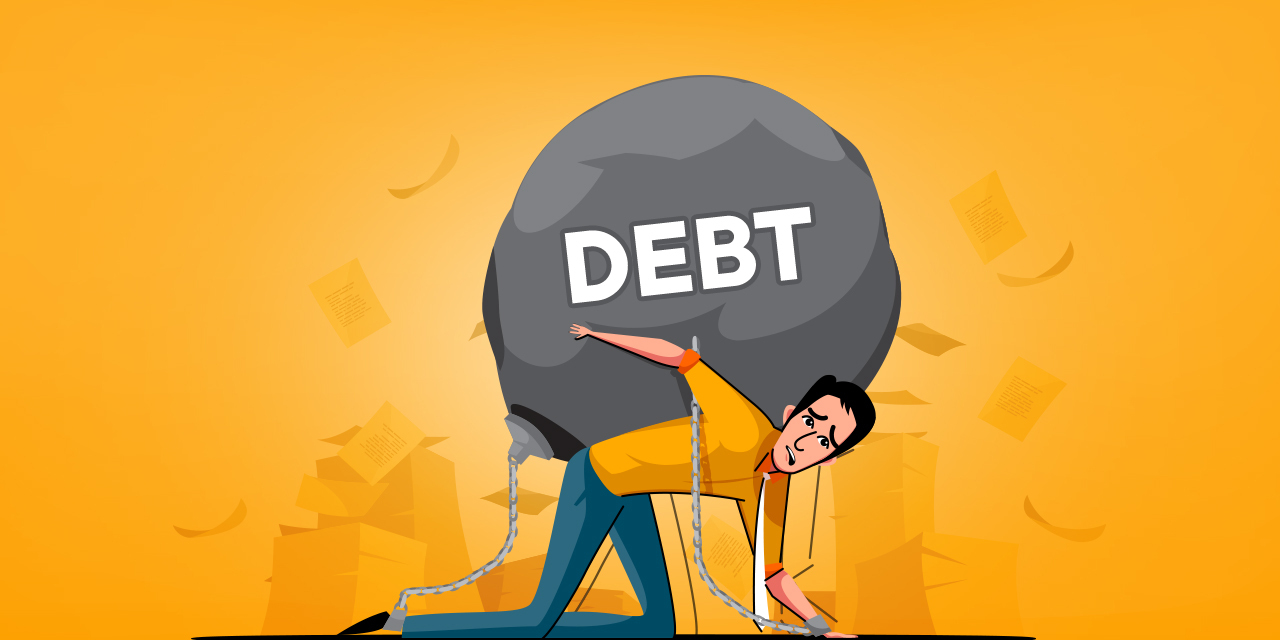

Jagoans, did you know that 7 out of 10 Indonesians still find it difficult to set aside a budget to pay credit/debt on time*?
Avoiding debt is not just about crisis management; it's about building a strong foundation to achieve a debt-free lifestyle (debt-free living). The concept of 'living without debt' is a financial condition where you do not have loan obligations that burden your monthly income.
What is the True Meaning of Being Debt-Free?
Practically, being debt-free means:
-
Freedom in Fund Allocation: Your entire monthly income can be allocated to savings, investments, and needs, without having to pay interest and loan principal.
-
Emotional Stability: The elimination of psychological burden resulting from due bills and the threat of default.
-
Wealth Acceleration: Funds that were previously used to pay off debt can now be invested, accelerating your wealth growth (for example, saving for retirement or starting a business).
There are 4 effective ways that you can apply in everyday life so that debt stays away from you.
4 Effective Ways to Avoid Getting into Debt
1. Create a monthly budget
Everything will be easier when there is a budget as you can know where your money goes and control spending. You can do budgeting at the beginning of the month.
Make sure you set the budget for all priority needs first, such as monthly bills, installment payments (if any) and shopping for daily necessities, meals, etc. After that, you also need to set aside money for savings.
Then, you can set a budget for non-priority needs. To avoid debt, you need to be disciplined by always sticking to the budget.
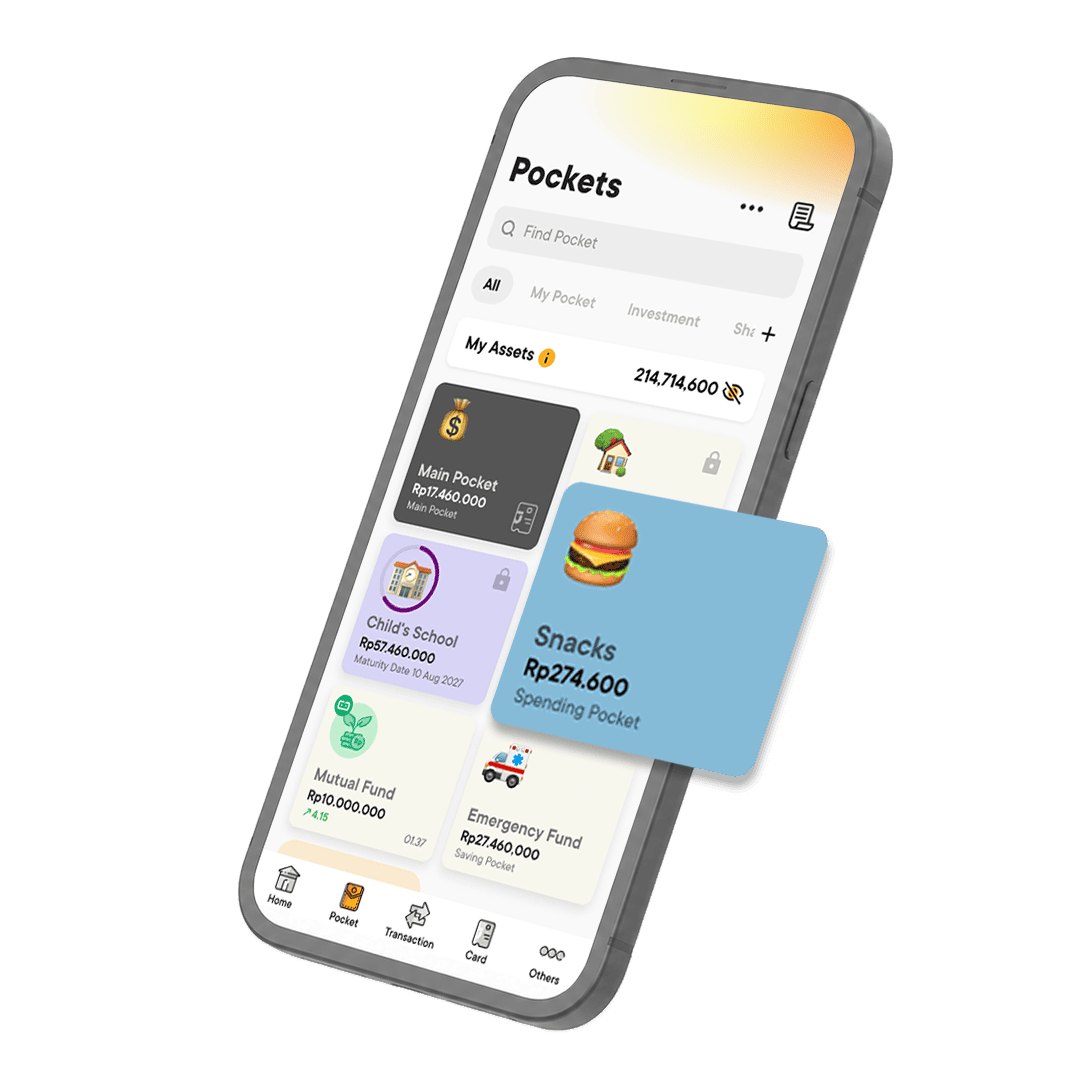
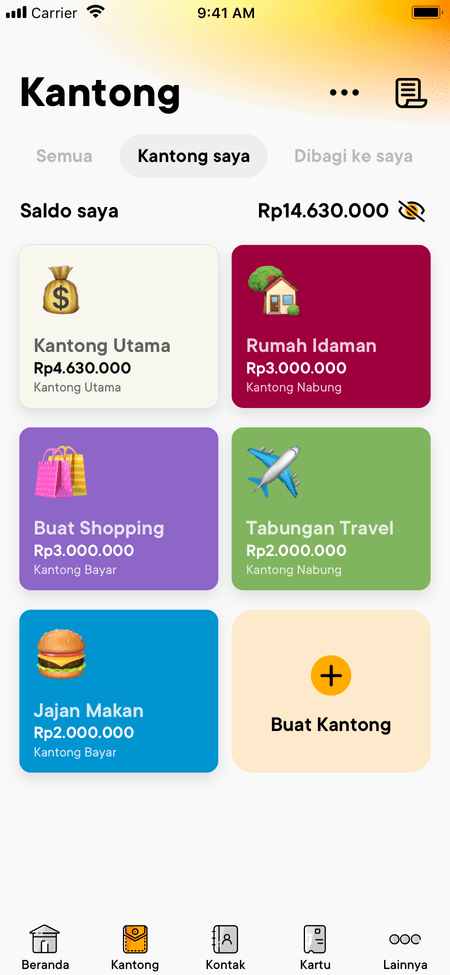
To separate various needs and simplify budgeting for each need, you can use the Pockets feature in the Jago application. One Pocket can be for one need. And, you can allocate money to each Pocket, either automatically or manually according to your preference.
2. Find ways to resist the temptation of splurging
The rules that have been made are not necessarily obeyed 100%. It's not a good thing to do, but it happens often. Looking for ways not to follow the temptation to spend money freely is the next strategy for those of you who still find it difficult to stick to the budget.
There are many ways you can do it. For example, you can lock money in a Locked Pocket in the Jago application. You will not be able to use the money until the lock period ends.
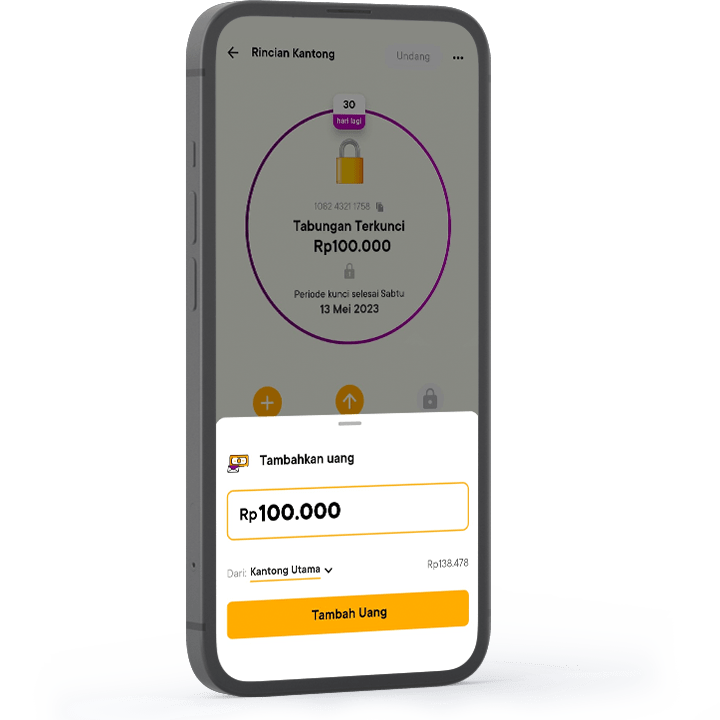
Locking money in a Locked Pocket won't make you suffer. You will be happy because the Locked Pocket pays competitive interest.
Another way is to hide your balance. When you have no idea how much balance you have, you won't be tempted to use it. The Jago application gives you the option to do this. Just try it and feel the instant benefits.
3. Have an emergency fund
You can feel the power of an emergency fund when an unexpected event occurs. If you don't have an emergency fund at all, you're more likely to borrow money to deal with an emergency.
Borrowing money means you have debt. Since you want to avoid getting into debt, you need to prepare an emergency fund. The amount doesn't have to be large and all at once. You can start saving little by little. It is better to save consistently than to save only occasionally.
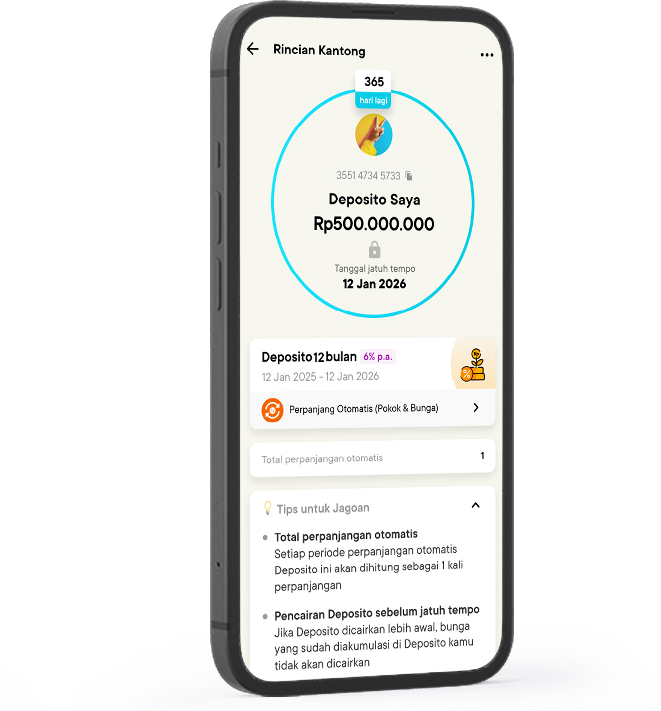
Once the emergency fund money has accumulated enough, you can move it to a Jago Term Deposit. Why? Because the deposit will secure the emergency fund money from being used for something that is not an emergency. But if at any time you need it during an emergency, you can withdraw your Jago Term Deposit without penalty.
4. Use credit cards wisely
Credit cards can actually be a useful financial tool if used responsibly, offering transaction convenience and building a good credit history. However, improper use of credit cards is one of the main entry points into debt traps. The tendency to feel capable of buying anything—exceeding actual financial capacity—is often the problem.
The main principle that must be firmly held is: Never buy an item with a credit card if you do not have the full cash funds to pay it off when the bill arrives.
For those still vulnerable to the temptation of excessive spending, using a debit card remains the safest option. A debit card ensures you only spend according to the available balance in your account, thereby automatically limiting potential consumer debt. If you choose to use a credit card, make sure you have the financial discipline to always pay in full and on time.
To be more in control when spending money, you can take advantage of the transaction limit settings available for the Jago Debit Card with the Visa logo. You can shop with peace of mind.

Moving Towards a Debt-Free Lifestyle
Ultimately, the goal of all management and expenditure control efforts is to achieve a debt-free lifestyle—a condition where you are truly living without debt. This financial status goes beyond merely avoiding new loans; it is the foundation for building long-term wealth and security.
When you reach this point, your entire monthly income can be fully allocated to savings, future investments, and planned needs, without mandatory deductions for interest and principal payments. Thus, being debt-free is not just about peace of mind, but also about the true freedom to control your own financial destiny. Make this ultimate goal your biggest motivation in daily financial discipline.
Are you ready to avoid getting into debt? Don't forget to download the Jago application to manage your finances better, so you don't have to go into debt. If you already have the Jago application, just take advantage of the above features.
*Based on the results of a survey conducted by Populix, a market research platform company, on August 23 - September 1 2021, there were 934 respondents in Greater Jakarta, Bandung, Semarang, Surabaya & Medan