



Amid the dynamic demands of daily life and growing consumerism trends, the term frugal living has become increasingly popular among urbanites. Unfortunately, quite a few people confuse frugal living with being stingy or depriving oneself.
In reality, frugal living is not about going hungry or buying the cheapest items of poor quality. Frugal living is the art of prioritizing by minimizing spending on low-value items to secure what truly matters for the future.
Frugal Living vs. Stinginess: What's the Difference?
Understanding the boundary between smart saving (frugality) and stinginess is essential to maintaining both mental health and social relationships:
-
Stingy People: Focus solely on the lowest price, often sacrificing quality, health, or the comfort of others just to set money aside.
-
Frugal People: Focus on value for money. They do not hesitate to spend more on durable, high-quality items, but remain strict about cutting back on impulsive spending that brings no long-term benefit.
3 Practical Steps to Adopt Frugal Living Without Stress
1. Apply Mindful Spending Principles
Before making a purchase, especially for non-essential items, give yourself a 24-hour cooling-off period. Ask yourself: "Is this a genuine need, or just a temporary emotional fix?"
Simple Savings Simulation:
Cutting back on trendy coffee runs and impulsive food delivery worth Rp50,000 per workday (20 days) can save up to Rp1,000,000 per month. Redirecting this amount into investment instruments over a year could build a back-up fund of Rp12,000,000+.
2. Prioritize Long-Term Quality (Value-Based)
Buying shoes for Rp200,000 that break in 3 months means spending Rp800,000 a year. Conversely, purchasing quality shoes for Rp700,000 that last for 2 years is far more cost-effective. Frugal living teaches us to calculate the cost-per-use rather than looking solely at the initial purchase price.
3. Separate Savings into a Dedicated Pocket
The biggest challenge of a frugal lifestyle is the temptation of seeing a growing balance in your daily account. When the balance looks flush, the brain tends to view that money as "free to spend."
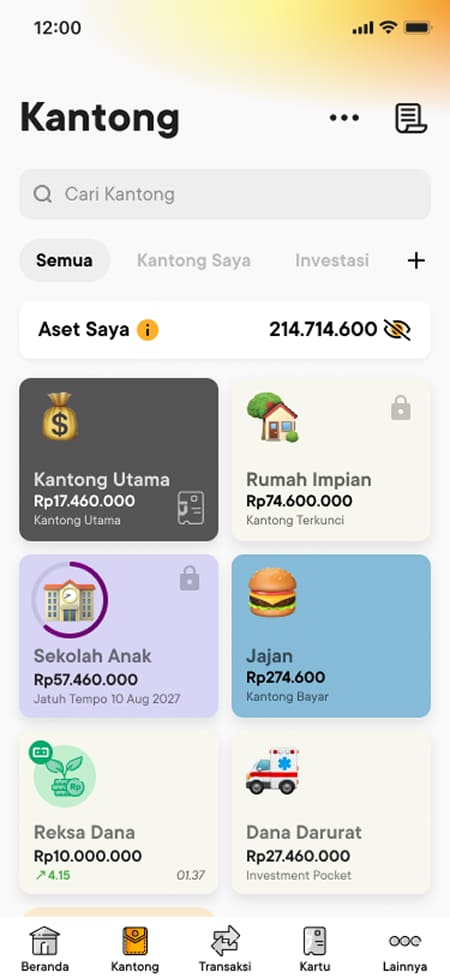
The solution is isolating your savings directly into a separate space:
-
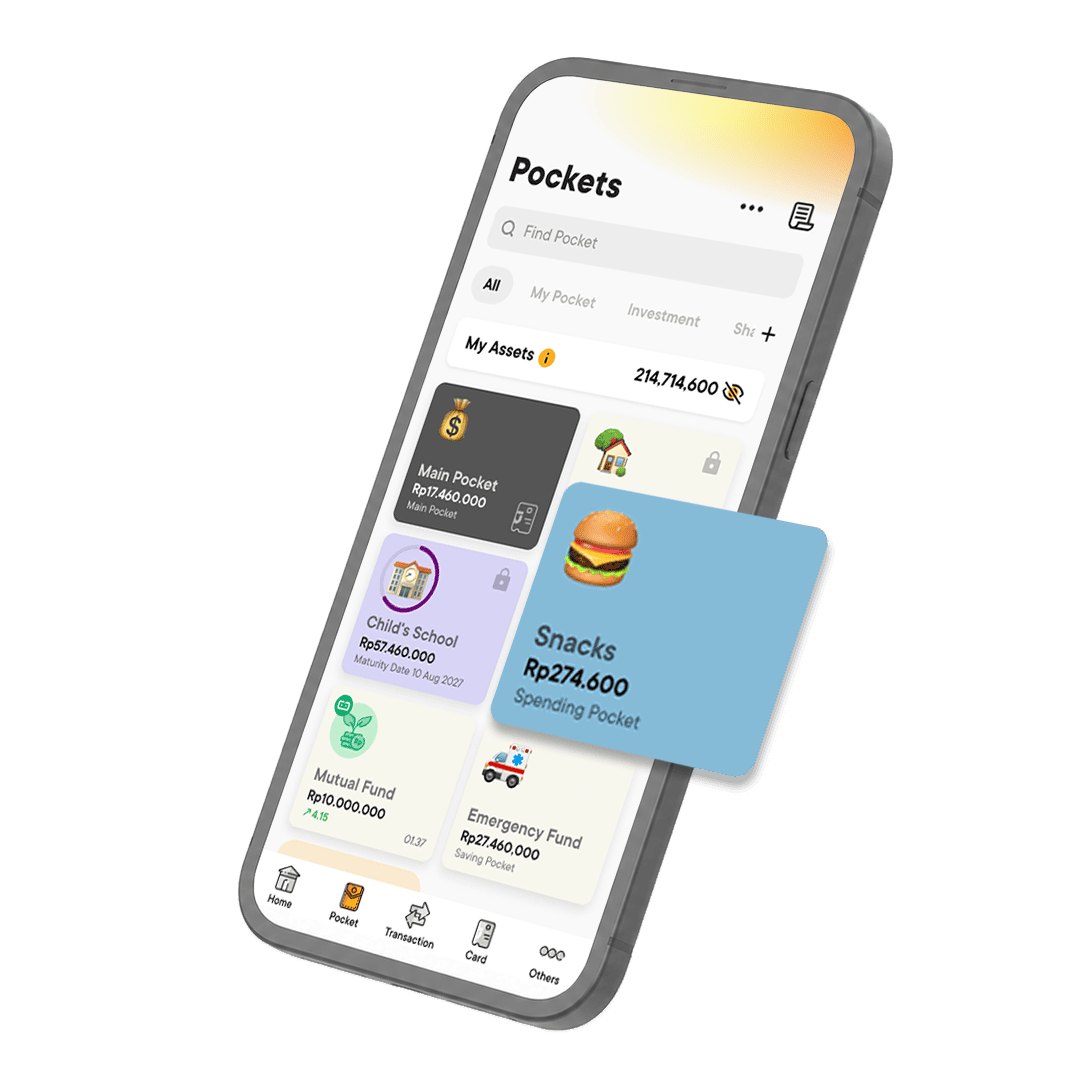
Use Saving Pocket: Move saved funds into a separate Jago Saving Pocket so they are not accidentally spent on daily operations.
-
Leverage Auto-Budgeting: Set up automatic allocations at the start of the month to your savings and investment targets. Once those funds are set aside, your daily spending limit in your Spending Pocket takes shape automatically.
By adopting frugal living principles and utilizing the right financial management tools like the Jago Pockets, you not only trim unnecessary expenses but also build a sustainable financial foundation for the future.