


Going on an out-of-town road trip in an electric vehicle (EV) brings a unique kind of excitement. Beyond being eco-friendly and offering a smooth, quiet ride, operating costs tend to be much lower than conventional cars. However, to keep your trip running smoothly without battery anxiety, you need a solid strategy, especially when it comes to route planning and budget allocation.
This is even more important when traveling with friends or family in one car. Managing group expenses can quickly turn into a headache if not handled properly from the start. Check out these complete transaction and preparation tips for your EV road trip to keep your journey fun and stress-free.
Route Preparation and Public EV Charging Stations
The key to a seamless EV road trip lies in navigation. Before heading out, make sure you map out charging stations along your highway route and main roads. Use navigation apps and official charging provider platforms to check charger availability, including both standard and fast-charging options.
Timing your rest breaks efficiently is equally crucial. Align your lunch or dinner stops with charging station locations so your vehicle powers up without wasting valuable travel time.
Touring Expense Allocation and the Benefits of the Shared Pocket
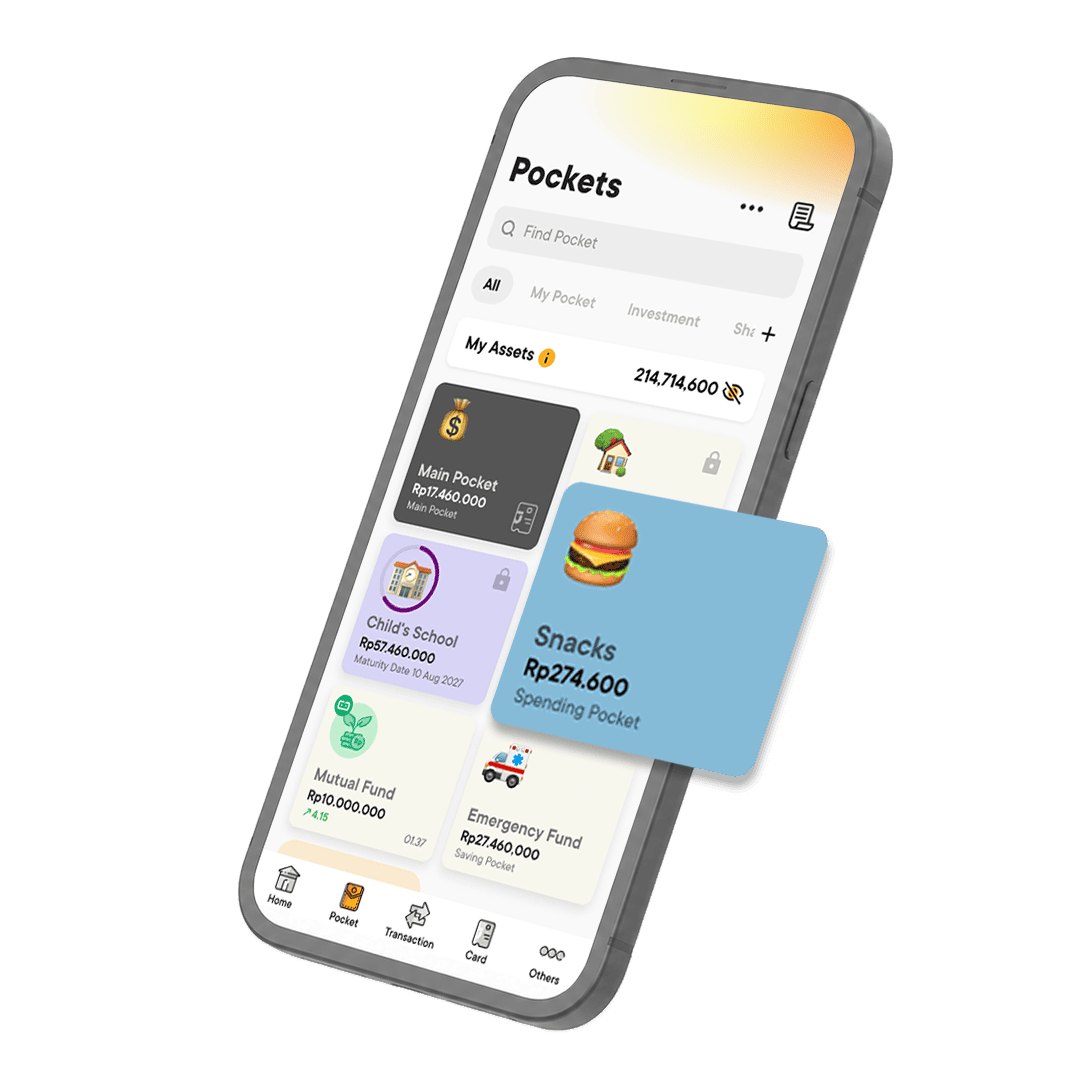
Long-distance group trips involve multiple operational costs that need to be split fairly. To ensure full transparency and avoid manual debt tracking, you can use the Shared Pocket feature from Jago or Jago Syariah.
This feature allows you to create a shared fund accessible to all group members. Every expense is tracked in real-time, transparently, and effortlessly. Here are key expense categories to allocate into your Shared Pocket:
- EV Charging Fees: The primary essential throughout the trip, whether at highway rest stops or your final destination.
- Tolls and Parking Fees: E-money top-ups or parking payments at tourist spots and accommodations.
- Group Meals and Dining: Daily food allowances for breakfast, lunch, and dinner for the whole group.
- Attraction Tickets: Entry fees for recreational spots and shared activities.
- Emergency Travel Fund: Backup funds for unexpected situations, such as tire pressure top-ups, towing services, or medicine.
Seamless Digital Payments via QRIS and Jago/Jago Syariah Cards
Fast and easy transactions are a must while on the road. Nobody wants to waste time counting cash at the register. Digital financial tools play a massive role in keeping your trip moving smoothly.
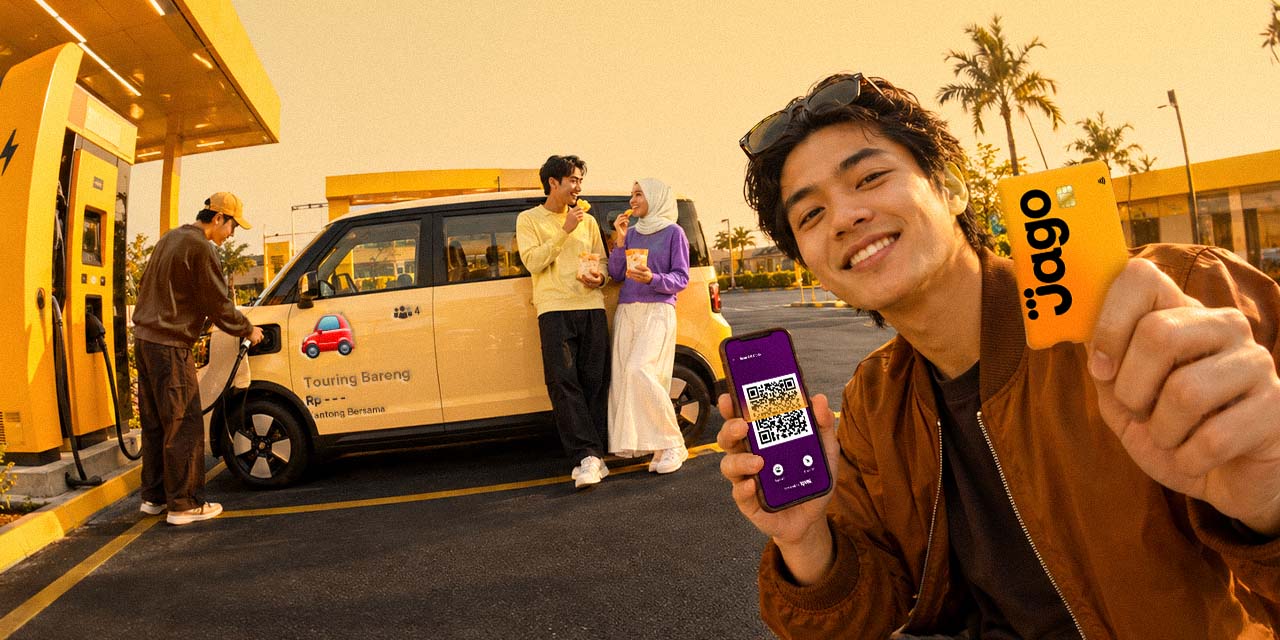
You can use QRIS payments linked directly to your Jago or Jago Syariah Shared Pocket to pay for meals at local eateries, coffee at rest stops, or attraction tickets. Most local merchants now accept QRIS, eliminating the need to carry large amounts of cash.
Additionally, you can make payments using your Jago or Jago Syariah Debit Card. Simply link the physical card directly to your Shared Pocket balance. When tapping at charging stations that require a debit card, paying at toll booths, or shopping at mini-marts, funds are deducted straight from the shared pool, no manual transfers required.
Tips to Maximize EV Battery Efficiency on Long Drives
Beyond financial prep, your driving habits directly impact your EV's driving range. Aim to maintain a steady speed on highways and make full use of regenerative braking during downhill stretches or heavy traffic.
Avoid overloading your vehicle beyond its payload capacity. Heavy cargo forces the electric vehicle to work harder, draining the battery much faster.
FAQ About EV Road Trip Finances
1. Can I use the Jago or Jago Syariah Debit Card for physical payments in areas with weak cellular reception?
Yes, POS/EDC machine transactions using your debit card operate through card payment networks, so they do not rely on your smartphone's internet connection at that moment.
2. How do I keep my personal money separate from group funds in the Jago app?
You can create separate Pockets for personal spending alongside a Shared Pocket for group expenses, keeping your funds distinct within a single app.