



Seasonal transitions often bring extreme weather shifts that trigger various health issues in children. Coughs, colds, high fevers, and even the risk of dengue fever become real threats that worry every parent. Amidst your little one's vulnerable physical state, financial readiness serves as your main shield to ensure they receive the best medical care without delay.
Setting up a child's health fund early on isn't just about the numbers in a savings account, it's a tangible expression of love and protection. When your little one falls ill, your full attention should be devoted to comforting and supporting their recovery, rather than being disrupted by sudden worries over medical expenses.
3 Key Reasons to Build a Kids' Health Savings Fund Before Seasonal Shifts
Unpredictable weather changes demand parents to be more responsive. Blending your child's medical budget with daily groceries or general household emergency funds often creates cash flow friction during sudden medical emergencies.
1. Anticipating Outpatient Care and Supplement Costs
Early treatment for seasonal illnesses requires purchasing immunity supplements, kids' vitamins, first-aid medications, and covering rising pediatrician consultation fees.
2. Covering Out-of-Pocket Medical Expenses
Certain emergency medical needs, such as hospital down payments or non-prescription items, require accessible cash that health insurance doesn't always fully cover.
3. Maintaining Family Financial Stability
Having a dedicated reserve prevents you from dipping into your family's dream savings or draining daily consumption funds when your child needs prompt medical care.
How to Budget Your Child's Emergency Health Reserve
Starting this financial preparation doesn't require a large sum upfront. The secret lies in consistency and separating allocations right from the start. As an illustration, you can aim for a target health fund of Rp3,000,000 to cover a 3- to 6-month seasonal transition period.
|
Allocation Component |
Percentage / Amount |
Purpose |
|
Prevention & Nutrition |
20% (Rp600,000) |
Daily vitamins, nutritious food, and additional vaccinations. |
|
Outpatient Care |
30% (Rp900,000) |
Pediatrician consultation fees and prescription medications. |
|
Emergency Medical Fund |
50% (Rp1,500,000) |
Hospital admission deposits or emergency care reserves. |
Managing Seasonal Health Savings with the Jago/Jago Syariah Pockets
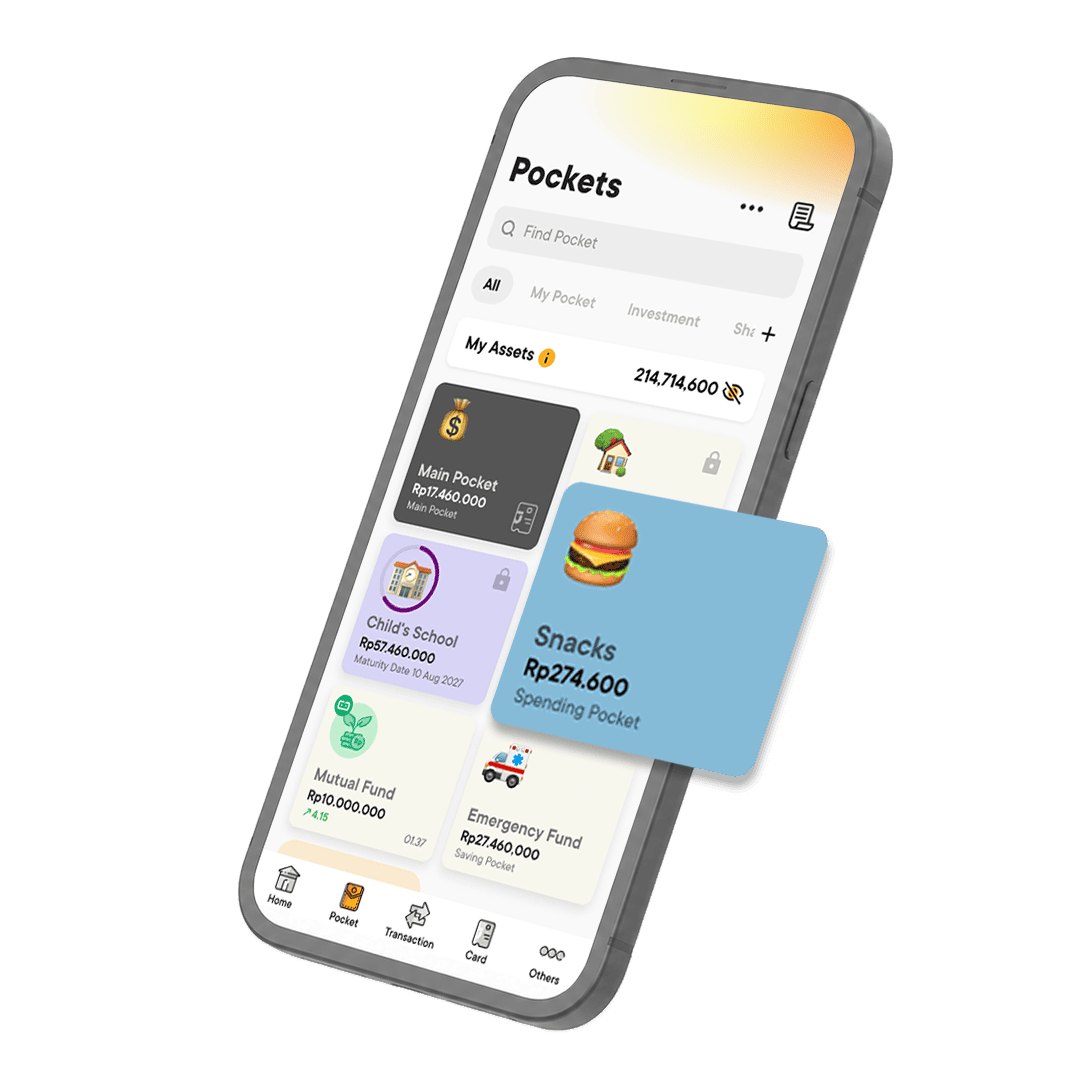
Keeping medical money in your main checking account carries the risk of accidentally spending it on daily transactions. Utilizing the Pocket feature from Jago/Jago Syariah is a practical step to secure this fund separately.
1. Create a Dedicated Saving Pocket
You can open a new Pocket and name it specifically for your child's health fund. This visual separation helps you stay disciplined, ensuring healthcare money never gets mixed up with daily shopping expenses.
2. Automate Your Budgeting Routine
The automatic allocation feature makes it seamless to set aside a portion of your monthly income directly into your Health Pocket without manual transfers.
3. Instant Cash Access in Emergencies
When you need to pay at the pharmacy or pediatrician's office urgently, funds in your Pocket can easily be linked to your debit card or transferred instantly at zero fee.
Caring for your little one through seasonal shifts requires a balance of physical and financial readiness. Separating dedicated savings well in advance grants you peace of mind, so you can focus entirely on providing comfort and nurturing your beloved child's growth.
FAQ About Preparing the Health Funds
1. What percentage of monthly income is ideal for a child's health fund?
A recommended allocation is around 5% to 10% of your total monthly income. This amount is earmarked specifically for daily care and preventative needs, separate from your regular insurance premiums.
2. Do I still need this savings fund if my child already has insurance?
Yes, absolutely. Insurance and health coverage typically focus on inpatient hospitalizations or major procedures. This liquid cash fund handles out-of-pocket costs such as extra vitamins, home medical devices, or outpatient doctor visits.
3. Where does the money go if my child stays healthy throughout the season?
If your little one stays healthy and the money isn't spent, your funds remain completely intact. You can keep it as a reserve for the next seasonal shift, transfer it to your child's education fund, or reallocate it toward your other financial goals.