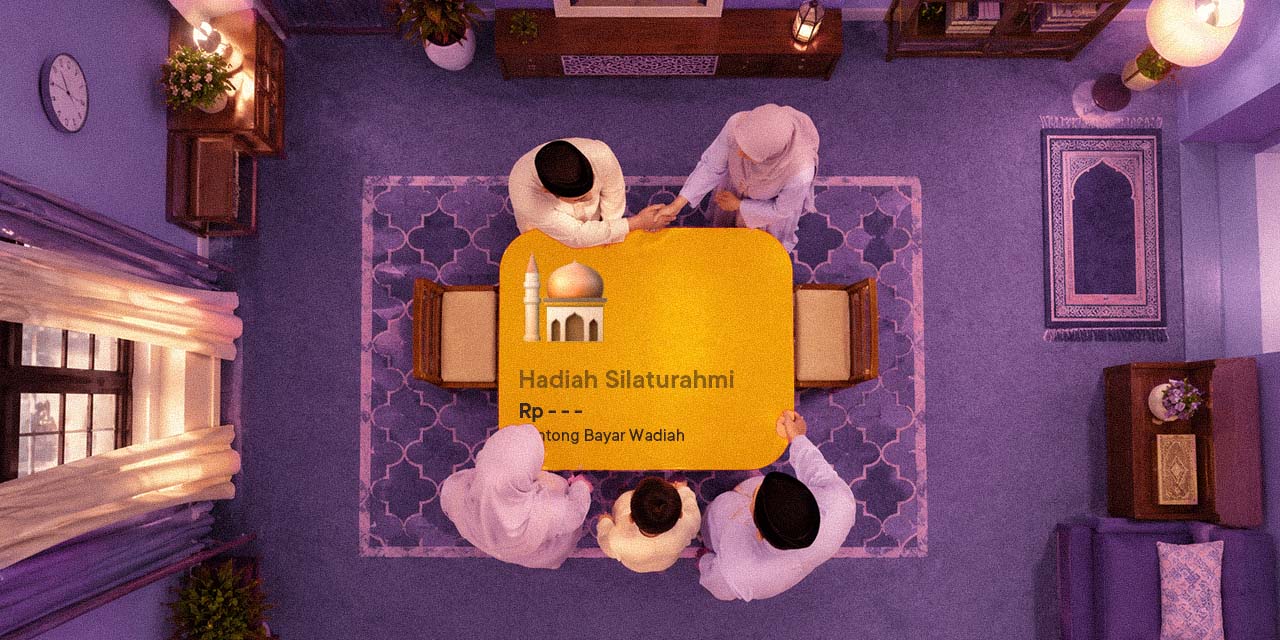



Stepping into marriage opens a new, blessed chapter, including how you manage finances. While each person previously handled their own income and expenses independently, married life calls for consultation (musyawarah), transparency, and mutual agreement to build a harmonious (sakinah) household.
One of the biggest challenges for newlyweds is maintaining clear visibility over household cash flow without losing personal financial boundaries. From an Islamic perspective, the husband is obligated to provide household sustenance (nafaqah), while the wife retains full ownership and rights over her personal wealth.
With an organized and fair budgeting system from the start of marriage, potential misunderstandings over money can be easily avoided. This is where Jago Syariah's Shared Pocket feature serves as a practical endeavor (ikhtiar) to manage family finances transparently, effortlessly, and in accordance with Sharia principles.
4 Core Financial Allocations Newlyweds Should Agree On
Before dividing money into accounts, set aside time for a financial discussion (money date) with your spouse to map out these four priority buckets:
1. Monthly Household Operations
Covers all daily necessities and recurring bills that sustain shared life, such as groceries, electricity, water, home internet, household maintenance, and housing installments. Separating this bucket keeps monthly grocery funds from mixing with personal pocket money.
2. Family Emergency Fund
Emergency reserve requirements shift significantly after marriage as household responsibilities grow. Couples should ideally build a reserve covering at least 6 to 12 months of routine household expenses to safeguard against sudden disruptions, such as medical emergencies or income loss.
3. Medium- to Long-Term Family & Worship Goals
Aligning your future vision gives your household journey clear direction. Examples include savings for childbirth and children's education, a down payment on your first home, annual Qurban savings, or a shared Umrah pilgrimage fund.
4. Personal Allowance
To preserve harmony at home, each spouse still needs personal financial autonomy for individual needs, such as buying books, pursuing hobbies, or giving gifts to their respective parents, without feeling constantly monitored.
How to Manage Household Finances in Jago Syariah Shared Pockets
Jago Syariah makes it easy for husbands and wives to separate family and personal allocations within a single app, without the hassle of visiting a bank branch to open a joint physical account.
Here are practical ways to make the most of the Shared Pockets:
1.Separate Bills and Daily Groceries in Shared Spending Pockets
Create dedicated Spending Pockets for operational needs (such as Groceries and Household Bills), then invite your spouse to join.
- Complete Transparency: Both husband and wife can view incoming and outgoing transaction histories in real time from their respective phones.
- Access Role Control (Can Spend): You and your spouse can set member roles to Can Spend, allowing both to make QRIS payments or transfers directly from the Pocket within agreed limits.
2. Lock In Family Dreams in Shared Saving Pockets
For future milestones like children's education or Umrah plans, convert a Saving Pocket into a Shared Pocket.
- Track Shared Progress and Targets: Set a target amount and deadline. Both partners can monitor regular monthly contributions together.
- Access Role Control (Can View): You can set member permissions to Can View, keeping savings secure from unilateral withdrawals without mutual consent.
Create Multiple Pockets with Zero Admin Fees
You and your spouse can create more than one Shared Pocket to fit your household needs, from groceries and vehicle maintenance to family vacations. All Pockets in Jago Syariah are free from monthly administration fees, ensuring family funds are never eroded by routine charges.

Building a Blessed Family with Sharia Principles
Beyond bringing clarity and structured tracking, every transaction in Jago Syariah Shared Pockets (both Saving and Spending Pockets) is managed under the Wadiah Yad Dhamanah akad.
Through this pure safekeeping contract aligned with Sharia principles, family funds remain safely stored without interest and can be withdrawn whenever needed.
Begin your marriage journey with honest, well-planned, and blessed financial management alongside Jago Syariah.