


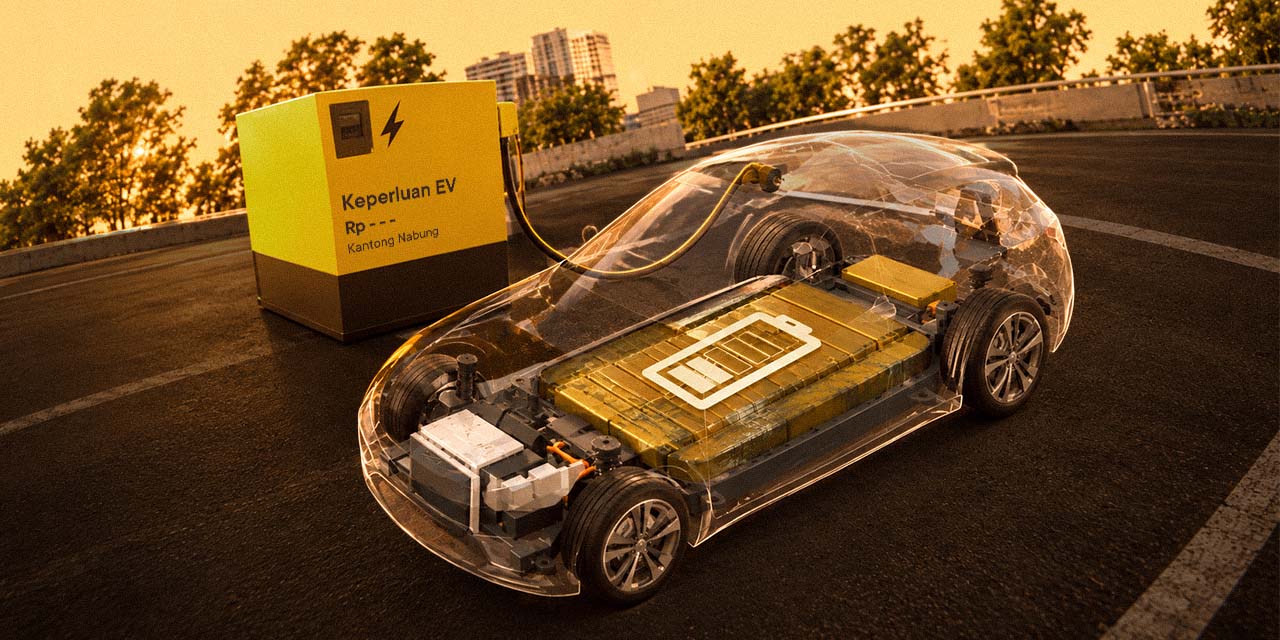

The trend of eco-friendly vehicles is steadily growing, and the used car market is starting to see an influx of electric vehicle (EV) units. Interestingly, the price drop for used electric vehicles (EVs) is quite significant compared to conventional vehicles. This trend is often seen as a breath of fresh air if you want to own an electric vehicle (EV) on an affordable budget. But behind the attractive market prices, a lingering shadow makes many prospective buyers hesitate: the notoriously expensive battery replacement cost.
Why Do Used Electric Vehicles (EVs) Depreciate Faster?
Electric vehicle (EV) depreciation is indeed relatively high. Rapid advancements in EV technology mean older models quickly feel outdated in terms of driving range and charging speed. Additionally, market sentiment regarding the condition of core components impacts resale values.
For quality used car seekers, this drop in value is definitely a blessing. You get modern safety features, quiet engine technology, and exemption from odd-even traffic rules at a fraction of the cost of buying a brand-new unit from a dealer.
Weighing the Risks of Battery Condition and Core Components in Used EVs
Behind the perks of a discounted price tag, staying cautious is essential. The lithium-ion battery, which serves as the primary power source, experiences performance degradation over time and use.
- Capacity and Driving Range: A declining battery State of Health (SoH) will reduce the driving range efficiency of a used electric vehicle (EV).
- Component Replacement Costs: If a battery module fails completely after the manufacturer's warranty expires, replacement costs can run into tens or even hundreds of millions of rupiah.
- Automotive and Electrical Systems: Beyond the battery, supporting components such as the inverter, on-board charger, and battery cooling system require thorough inspection before closing a used car deal.
Evaluating a used electric vehicle (EV) requires extra care. Running a diagnostic scan at an authorized service center is key to confirming that the battery health check and electrical system fall within safe limits.
Smart Financial Strategy: Set Aside Dedicated Funds for an EV Purchase in a Jago/Jago Syariah Pocket
The decision to choose a used electric vehicle (EV) rests entirely in your hands. Every option carries pros and cons that should match your risk profile and daily needs. If you are keen on seizing the opportunity presented by EV price depreciation, thorough financial preparation is the key.
To prevent maintenance funds or purchase capital from mixing with daily expenses, you can leverage the Pocket feature. This feature lets you organize financial categories seamlessly and track savings goals with greater flexibility.
Savings Simulation for Buying a Used Car in a Jago/Jago Syariah Pocket
Suppose your target is a chosen used electric vehicle (EV) priced at Rp200,000,000, and you plan to save the full amount over an ideal timeline of 3 years (36 months).
- Savings Target: Rp200,000,000
- Timeframe: 3 Years (36 Months)
- Monthly Contribution: Rp5,556,000 per month
- Using the Feature: Create a dedicated Saving Pocket named "Dream Electric Vehicle". Enable the automatic budgeting feature to transfer funds into this Saving Pocket right on payday.
By setting funds aside in a dedicated Pocket, your reserved money for the vehicle stays secure, measurable, and safe from being spent on non-essential consumption.
FAQ About Used Electric Vehicle (EV) Savings
1. What is the ideal monthly savings allocation for buying a used car without disrupting daily operational expenses?
A safe allocation is around 20 to 30 percent of your monthly income. Utilizing automatic budget allocation to a separate Pocket at the start of the month ensures savings are deducted automatically before being spent on other items.
2. Aside from the purchase price, how much emergency reserve should be set aside in a separate Pocket for potential repairs?
Setting aside a reserve fund of 10 to 15 percent of the used car's purchase price is ideal. Separating repair funds into a dedicated Saving Pocket keeps you from tapping into your family's main emergency fund if unexpected servicing needs arise.
3. Is it better to focus on saving until the full amount is collected or to use it as a down payment (DP) for financing?
It all depends on your personal cash flow. Saving the full amount in a Saving Pocket keeps you free from monthly installment burdens, whereas opting for a down payment lets you bring the car home sooner, provided monthly installments do not exceed 30 percent of your total income.