



Self-rewarding is more than just a lifestyle trend; it is a meaningful way to appreciate your hard work and achievements. Treating yourself is completely okay and valid because taking care of your mental health and work motivation is essential. Even so, there is a fine line between calming gratitude and wasteful behavior that can potentially ruin your finances.
When self-appreciation turns into an excuse for uncontrolled overspending, that is where financial trouble starts. To keep your good intentions from turning into impulsive, consumerist habits, you need to understand the boundaries and manage your funds wisely using the Jago Syariah Pockets.
Understanding the Line Between Gratitude and Wastefulness
Gratitude happens when you enjoy the fruits of your labor mindfully and with contentment. You buy items or experiences that add genuine value to your happiness without disrupting your essential needs. On the flip side, wastefulness occurs when self-rewards are done impulsively, purely for temporary gratification, or worse, using funds meant for future savings.
In Islamic principles, appreciating goodness and hard work is positive. However, Islam also teaches us to avoid israf, or excessive behavior. Overindulging to the point of neglecting other financial priorities goes completely against managing your money wisely and with blessings.
Strategies for Budgeting Your Self-Reward with the Jago Syariah Pockets
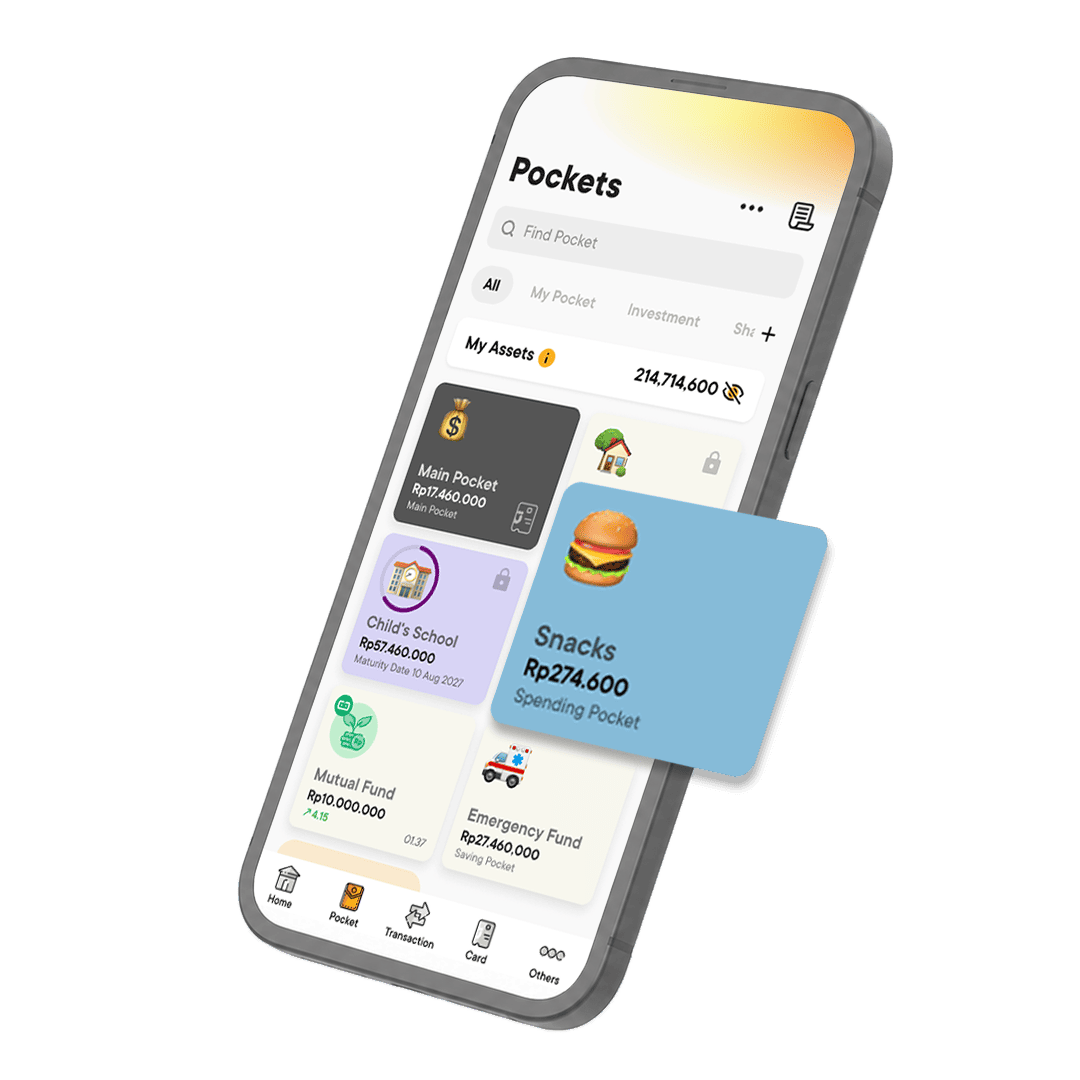
An effective way to keep your self-reward habits grounded in gratitude is by separating the funds from the very start. You can use the Jago Syariah Pocket feature to dedicate a specific budget, keeping it separate from daily operational expenses and emergency savings.
1. Allocate a Dedicated Budget at the Beginning of the Month
As soon as you receive your salary or daily income, immediately set aside a certain percentage, such as 5% to 10%, specifically for personal enjoyment. Separating these funds prevents you from dipping into your monthly grocery or operational money for entertainment.
2. Make Use of the Pocket Feature
Create a dedicated Spending Pocket or Saving Pocket with Jago Syariah and name it the Self-Reward Pocket. Having a separate pocket gives you full control and clear boundaries, meaning you can only spend what is inside that specific pocket.
3. Manage Finances According to Sharia Principles
Beyond organizing your cash flow neatly, money management in Jago Syariah is based on Sharia akad like Wadiah Yad Dhamanah. Your finances stay structured, and you get peace of mind knowing your fund management aligns with ethical values.
4. Evaluate Before Making a Purchase
When the money in your Self-Reward Pocket is sufficient, you can spend it guilt-free. But if the budget runs out, it means you have to wait for next month's allocation. This simple rule is powerful for curbing impulsive spending urges.
Enjoying life and celebrating small wins is completely natural. The key lies in boundaries and discipline. By keeping your self-reward budget in its own pocket, you can continue bringing joy to yourself without worrying about falling into wasteful habits that harm your financial future.
FAQ About Managing Self-Reward Finances
1. How do I determine the ideal percentage for a personal entertainment budget?
The ideal amount usually ranges between 5% and 10% of your total monthly income. Adjust this number based on your primary essential needs and mandatory savings goals so your main priorities remain secure.
2. Can unused self-reward funds be transferred to savings?
Absolutely. If there is leftover money in that dedicated Pocket at the end of the month, you can move it to an investment Pocket or emergency savings to strengthen your long-term financial resilience.
3. What is the main sign that self-pampering has turned into wasteful spending?
The primary indicator is when you start using money from other priority funds, like utility bills or emergency savings, just to satisfy a spending urge. Another clear sign is feeling deep regret right after making the transaction.