



You want to do good and fulfill your religious obligations, but you often find yourself hesitating: "Is the money in my savings account actually subject to zakat mal yet? When Ramadan comes around, should zakat al-fitr be taken from that same fund or kept separate? What about daily sadaqah?"
This confusion is completely normal. It gets even trickier when all your funds are lumped together in one main account, making your budgets for daily expenses, zakat, and sadaqah vulnerable to being spent accidentally.
To boost your confidence in fulfilling your worship and keeping your finances neatly organized, let's dive deep into the differences between zakat mal, zakat al-fitr, and sadaqah, which one takes priority, and practical ways to manage them effortlessly.
A Complete Guide to Zakat Mal vs. Zakat al-Fitr vs. Sadaqah
Zakat Mal: Purifying Your Wealth
Zakat mal is the obligation to pay a portion of owned assets that have met two main requirements: nisab and haul.
Nisab is the minimum threshold of wealth that makes zakat obligatory, equivalent to 85 grams of gold. Haul is the minimum holding period of the wealth, which is one full year.
If your savings, gold, business profits, or investments reach the equivalent of 85 grams of gold and stay at or above that level for a full year, you are required to pay 2.5 percent of that total wealth. Zakat mal is mandatory for those who are eligible, as its core purpose is to purify your wealth and transfer the rights of rightful beneficiaries contained within your assets.
Zakat al-Fitr: Perfecting Your Ramadan Worship
Unlike zakat mal, which is based on accumulated assets, zakat al-fitr is a personal zakat obligatory for every Muslim individual, from newborn infants to adults. Its timing is very specific: starting from the beginning of Ramadan up until before the imam ascends the pulpit for the Eid al-Fitr prayer.
Its main objective is to purify oneself from shortcomings during fasting while ensuring no Muslim goes hungry on the day of celebration. The amount of zakat al-fitr is fixed at 2.5 kilograms or 3.5 liters of staple food per person, which can also be converted into cash based on local government regulations.
Sadaqah: Unlimited Voluntary Charity
While zakat is bound by rules of nisab, haul, and fixed rates, sadaqah is far more flexible and open-ended. Sadaqah is a recommended sunnah deed that you can perform anytime, anywhere, and in any amount without waiting for a specific occasion. Sadaqah doesn't always have to be in cash; offering help, giving usable items, or even sharing a genuine smile counts as sadaqah. This practice is one of the best ways to expand your gratitude and deepen your daily social awareness.
Which Should Take Priority: Zakat Mal, Zakat al-Fitr, or Sadaqah?
When it comes to the priority order of Islamic financial spending, the core principle is to fulfill obligatory duties before voluntary deeds.
1. Prioritize Zakat al-Fitr as the Deadline Approaches
When Ramadan arrives, zakat al-fitr becomes the top priority that must be settled before the Eid al-Fitr prayer. If paid after the deadline, the payment only counts as regular sadaqah, and your obligation for personal zakat remains unfulfilled or delayed according to Islamic teachings.
2. Pay Zakat Mal Once Haul and Nisab Are Met
As soon as your savings or assets meet the nisab criteria and have been held for a full year, zakat mal must be paid promptly. Delaying zakat mal payments when the funds are already available is strongly discouraged, as that portion of wealth no longer belongs entirely to you.
3. Maximize Sadaqah After Obligatory Duties Are Fulfilled
Once your zakat al-fitr and zakat mal obligations are completely covered, you have full freedom to explore voluntary charity. You can set aside a portion of your daily or weekly income for sadaqah without worrying about interfering with your mandatory duties or basic living expenses.
Keep Your Zakat and Sadaqah Funds from Getting Mixed Up: Manage Them with 3 Separate Pockets in Jago Syariah
The key to peace of mind in Islamic finance is clear separation of funds. Mixing your worship funds in one place often leaves you wondering whether your available balance is safe for shopping or actually belongs to those in need.
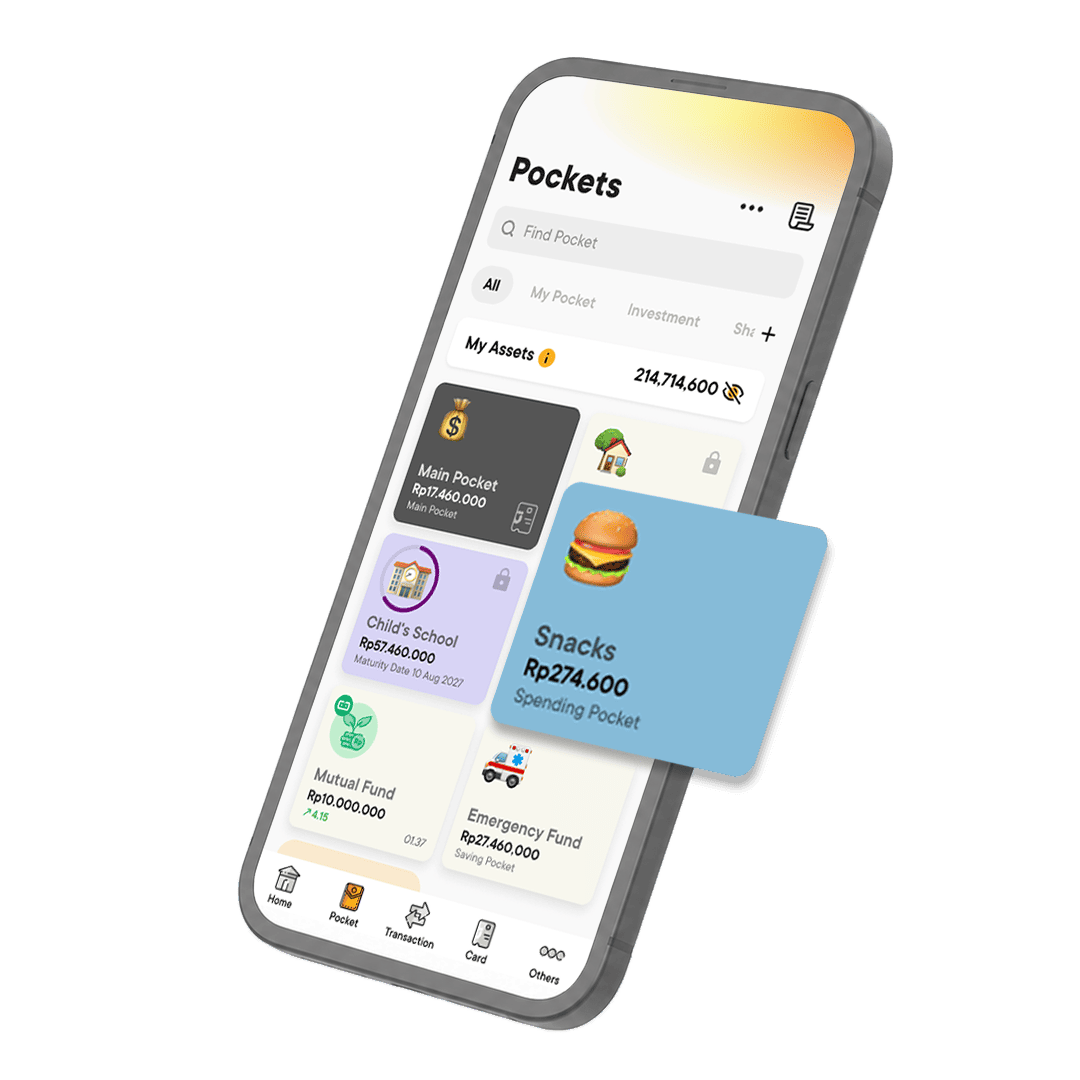
Through the Pocket feature in Jago Syariah, you can manage your worship budget into 3 distinct Pockets:
- Zakat Mal Pocket: Dedicated to setting aside 2.5 percent of your monthly income or accumulated gold/investment savings on a regular basis.
- Zakat al-Fitr Pocket: Designated for building up personal zakat funds for yourself and your family members well before Ramadan arrives.
- Sadaqah Pocket: Created to hold your budget for daily good deeds, such as morning sadaqah or recurring monthly donations.
Every Saving and Spending Pocket in Jago Syariah operates under Wadiah Yad Dhamanah akad in accordance with Islamic principles. Your money stays neatly separated, won't get mixed up with daily operational costs, and gives you total peace of mind when transacting.
Direct Distribution of Zakat Mal and Sadaqah via Jago Amal
Once your budgets for zakat and sadaqah are separated into different Pockets, you don't need to worry about searching for trustworthy distribution partners. Through the in-app Jago Amal feature, you can directly distribute zakat mal and sadaqah online right from their respective Pockets. Jago Amal collaborates with trusted amil organizations in Indonesia to deliver your zakat and sadaqah to those who need it most.