


Advances in banking technology have made financial transactions more convenient than ever. However, this convenience is also exploited by irresponsible bad actors to carry out various criminal schemes. One tactic that has become increasingly common recently is the card package scam.
This type of fraud targets the victim's confidential personal data and financial access through psychological manipulation. It is crucial for us to recognize these threats so that our savings remain safe from the risk of account draining.
Common Types of Card Package Scams
Scammers use a variety of tactics to trick their victims. Here are some of the most common types of card scams encountered in the field:
1. Fake Couriers Delivering Card Packages to Your Home
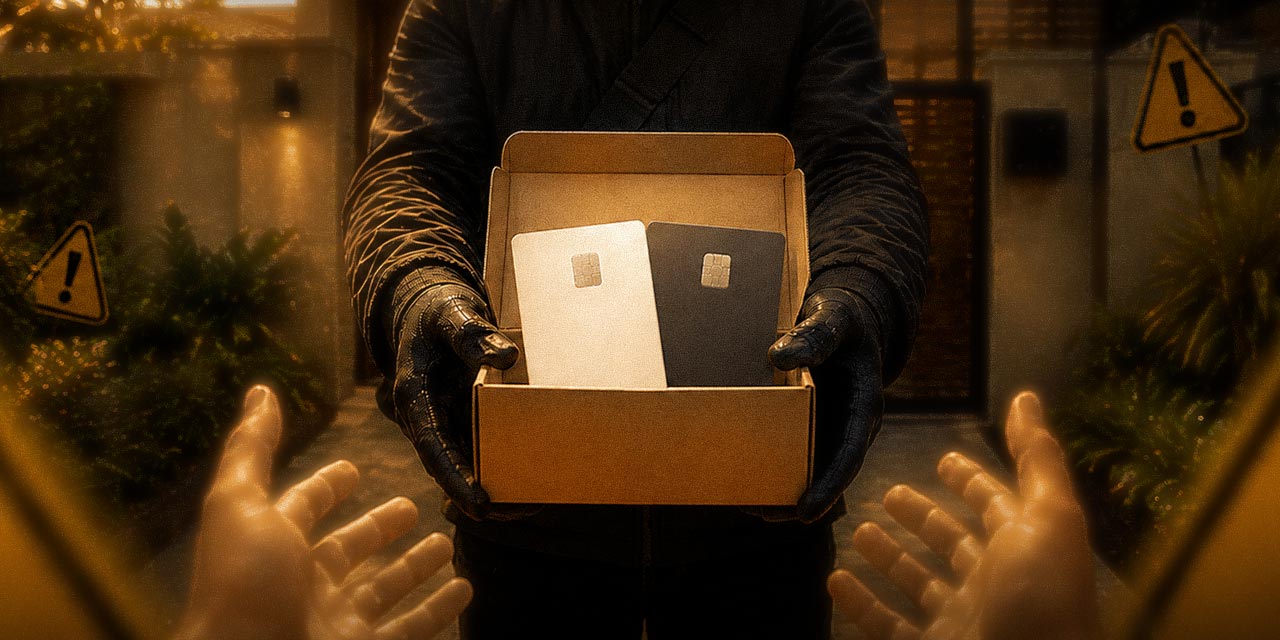
The perpetrator pretends to be a courier from a bank or a delivery service delivering a package containing a new physical card. After handing over the package, they usually ask you to confirm receipt via a specific app or link they have prepared. The website turns out to be fake and aims to steal your confidential banking data.
2. Phone Calls Offering Premium Card Upgrades
You receive a call from someone claiming to be a bank customer service officer. The scammer offers an upgrade to a premium card status with promises of no admin fees, higher transaction limits, or attractive cashback. To process the offer, the scammer asks you to provide your card number, CVV code, and OTP.
3. Notifications of Old Card Deactivation or Blocking
In this scenario, scammers create panic by informing you that your debit or credit card will soon be blocked due to a system update. You are then directed to click a phishing link to update your details so the card remains active.
4. Couriers Collecting Damaged or Expired Cards
The perpetrator comes to your home offering a service to collect old, expired physical cards so they can be officially destroyed by the bank. Appearing convincing, the scammer actually uses the physical card to gain unauthorized access or extract leftover transaction data.
How to Prevent Card Scams and Keep Your Account Safe
To avoid financial loss, a critical mindset and high vigilance are necessary whenever receiving information or visits from individuals claiming to represent financial institutions.
1. Protect Confidential Banking Data
Never share sensitive information, such as your PIN, OTP codes, 16-digit card number, card expiration date, and the 3-digit CVV/CVC code on the back of the card, with anyone, including those claiming to be from the bank.
2. Verify Courier Identities and Incoming Calls
If someone arrives to deliver a package or contacts you by phone, always cross-verify through the bank's official customer support channels. Do not press any buttons or click links sent by unknown numbers.
3. Cut the Chip and Magnetic Stripe of Old Cards
When replacing unused or expired physical cards, make sure to destroy them yourself. Cut through the microchip and magnetic stripe with scissors before throwing them away so they cannot be harvested by malicious actors.
4. Enable Real-Time Transaction Notifications
Ensure your mobile banking app has instant push notifications enabled for every transaction. This way, you will immediately know if there is any suspicious activity on your account.
Additional Protection via Jago and Jago Syariah Debit Card Security Features
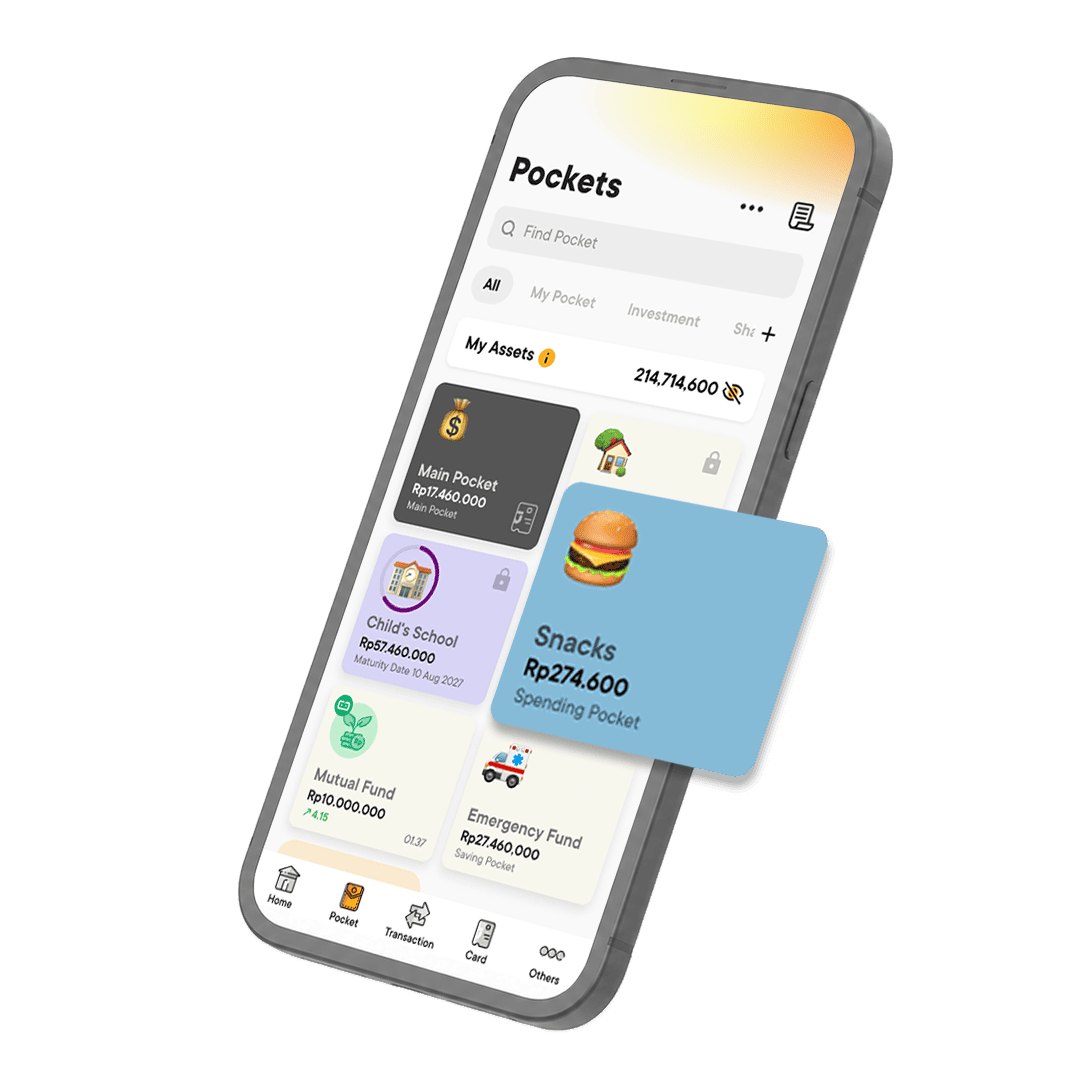
Using modern banking apps like Jago and Jago Syariah makes it easy to manage your card security independently right from your smartphone.
You can take advantage of several built-in security features on the Jago and Jago Syariah Debit Cards to help prevent fraud risks, including:
1. Jago/Jago Syariah Card Transaction Limit Settings
Daily payment limits can be adjusted to suit your needs. This helps restrict the amount of money that can be transacted should unauthorized access occur.
2. Instant Card Locking via the App
If your physical card is lost, shows signs of misuse, or is suspected of being targeted by a fake courier scam, access to the card can be permanently blocked instantly through the app.
3. Track Card Delivery Status
The physical card delivery process can be monitored directly inside the app. This makes it easy for you to verify whether the card package you receive was truly sent by Bank Jago/Jago Syariah or not.
FAQ About Card Security and Banking Transactions
1. Does Bank Jago ever ask for OTP codes or CVV numbers via official phone calls?
Never. Bank Jago will never ask for your OTP code, PIN, or CVV/CVC code under any circumstances, whether for data verification, transaction cancellation, or promotional offers.
2. What should you do if you accidentally gave your card details to a scammer?
Immediately open your app and lock your card yourself. After that, contact Bank Jago's official customer support to report the incident so your account can be fully secured.
3. Is it safe to save debit card details on shopping sites or third-party apps?
It is strongly recommended not to save card details on online shopping platforms to avoid data leaks in the event that the platform suffers a data breach.