


Everyone loves good news, especially when it comes with a gift. It’s natural to feel suspicious if someone claims you’ve won a massive reward like a brand-new car or tens of millions of rupiah. But what if the gift is something modest, like a surprise hamper package, a shopping voucher, or a free food basket?
This is often where people drop their guard. Many think, "It's just a small gift, who would bother scamming over this?" Yet, amidst the rise of digital transactions, fake gift scams involving small-value items are booming precisely because they don't raise immediate red flags. To keep your savings and personal data secure, let’s dive into how these scams work, the warning signs to watch out for, and smart ways to avoid them.
Most Common Types of Fake Gift Scams
Scammers typically exploit a victim's moment of distraction or excitement. Here are some of the most frequent scenarios out in the wild:
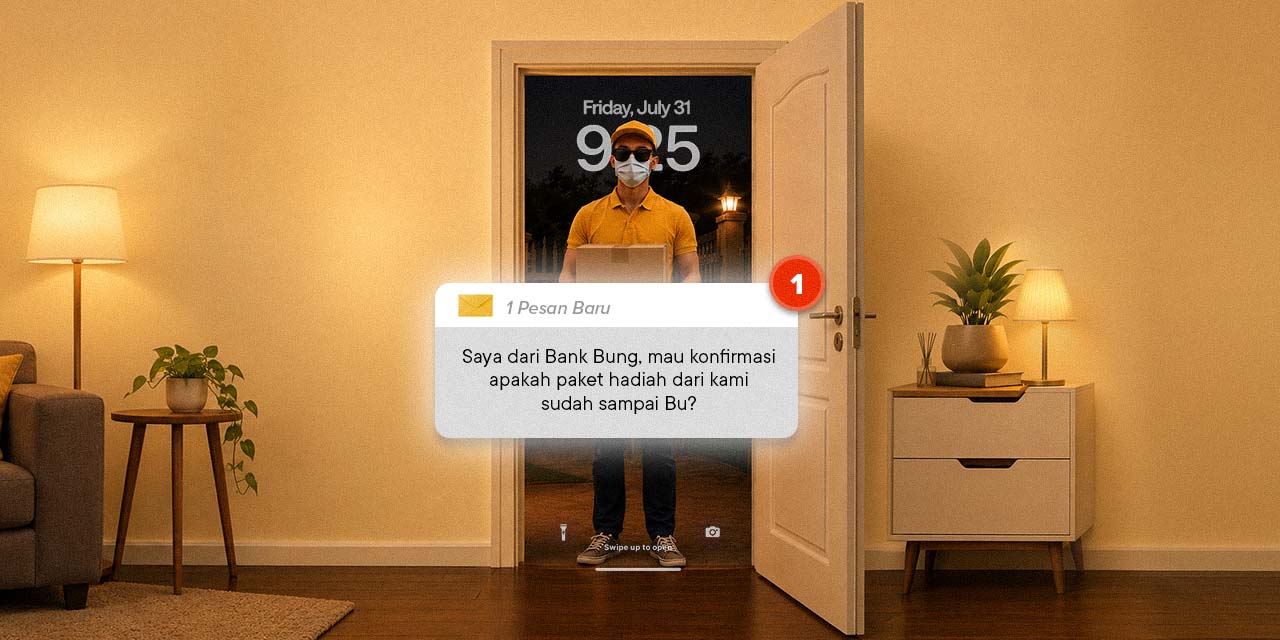
- Surprise Hampers Messages and Fake Courier Files: You get a WhatsApp message from a "courier" announcing a surprise hamper package or gift from a friend or company. You’re then asked to download an .APK file (disguised as a delivery receipt or photo of the package) to confirm your address. The moment you open the file, malicious software steals your sensitive data and drains your bank account.
- Small Giveaways and Shipping Fees: You’re declared the winner of a small social media giveaway, like clothes, a hamper set, or a gift card. The host claims the item is free, but you must cover a small "shipping" or "packaging" fee of Rp20,000–Rp50,000 via a personal bank account. While the amount seems trivial, it adds up to a fortune when collected from thousands of victims.
- Fake Official Texts and WhatsApp Messages: Out of nowhere, you receive a message impersonating a well-known institution, complete with official logos and a custom link, claiming you've won a draw.
- Urgent, Mysterious Phone Calls: Scammers call you in a rush, congratulating you before demanding an immediate money transfer for "administrative fees" or "winner’s tax" so your prize doesn't expire.
- Phishing Links and Impersonation Accounts: Fraudulent accounts copy the exact name and profile picture of a bank or reputable brand, sending you links to claim-form sites designed to steal your card numbers, PINs, or OTP codes.
How to Prevent and Avoid Fake Gift Scams
Outsmarting these manipulative tactics isn't difficult as long as you stick to a few ground rules. These simple steps can save your hard-earned money:
- Remember the Golden Rule: Official Gifts Never Require Payment: Legitimate companies or giveaway hosts will never ask winners to pay shipping costs, taxes, or admin fees into a personal bank account.
- Never Share Confidential Data: Your OTP codes, PINs, passwords, and the CVV number on the back of your card are the keys to your digital vault. No one, including official bank staff, will ever ask for them.
- Beware of Attachments from Unknown Numbers: If a "courier" sends an .APK file (instead of a regular image format like .JPG or .PNG) claiming it’s a delivery receipt, never download or open it.
- Check for Verified Badges and Official Channels: Always double-check good news directly through official websites or verified social media accounts (look for the blue checkmark).
The Importance of Choosing Banking Services with Comprehensive Security Features
Personal vigilance goes hand in hand with choosing banking services that offer all-around protection for your digital assets. Built with a clear understanding of cybersecurity threats and psychological manipulation tactics, digital banking apps like Bank Jago are designed with security systems to keep customer funds and transactions safe.
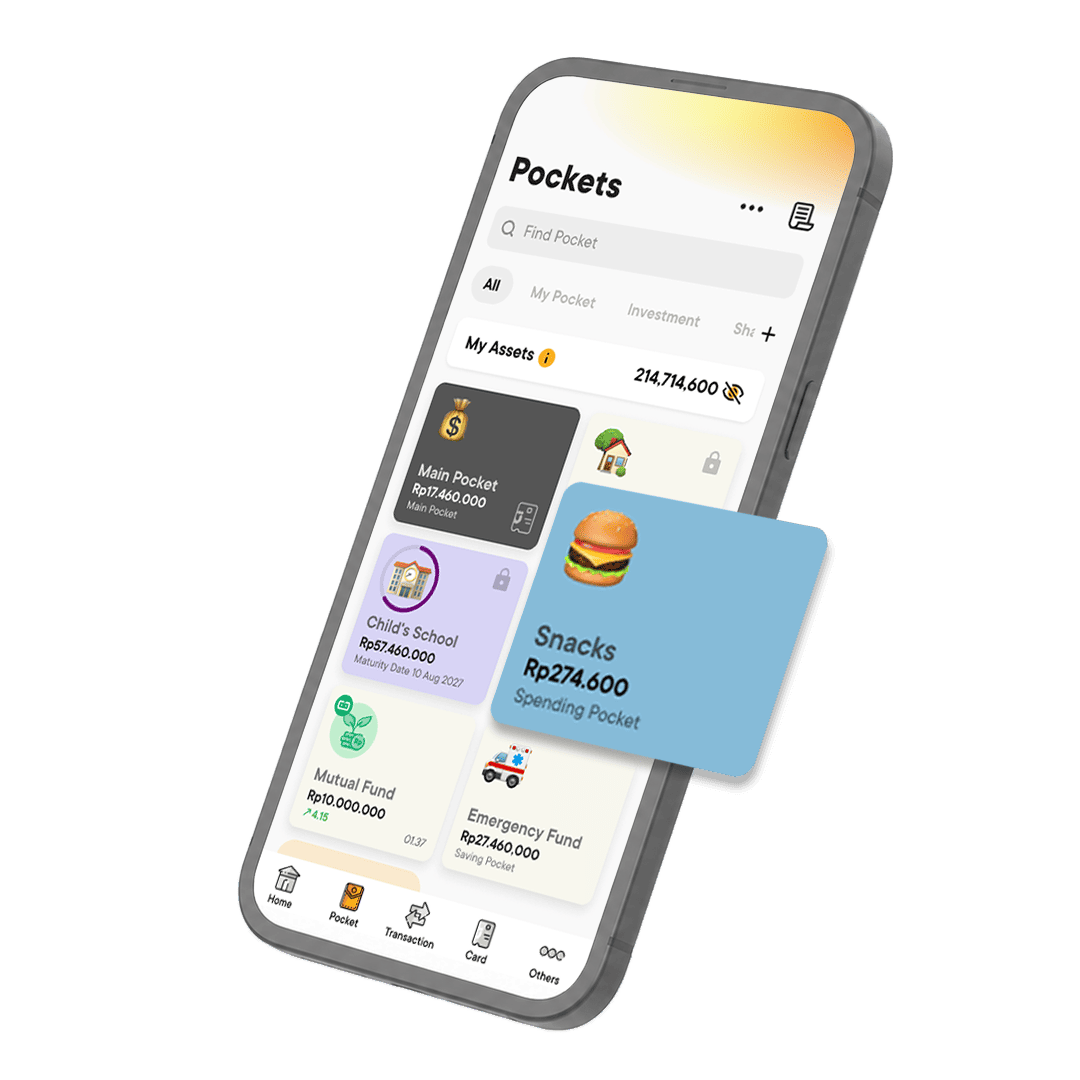
One useful line of defense against potential fraud is smart money management. In the Jago app, you can split your money across different Pockets. Separating your daily spending money from your core savings naturally limits your financial risk should an incident ever occur.
Technical defenses are equally vital. Multi-layered security features, such as biometric authentication (fingerprint or face recognition), instant transaction notifications, and the ability to update your PIN regularly, serve as baseline protection. In an emergency, such as accidentally clicking a suspicious link, full-control features like instant in-app debit card locking allow you to freeze access immediately without waiting for customer support.
Even as banking technology continually tightens its defenses, your proactive role as an account holder remains the first line of defense. Routinely monitoring your transaction history, never sharing OTPs or PINs with anyone, and self-blocking your account the moment something feels off are the most effective ways to safeguard your funds.
By pairing personal awareness with the right banking security features, you can enjoy the convenience of digital transactions with complete peace of mind.
Bank Jago Official Contacts
- Phone: +6221 3000 0746
- Hotline Service: 1500-746
- WhatsApp: 0817-000-7460